Design, prototype, and hand off in one workspace
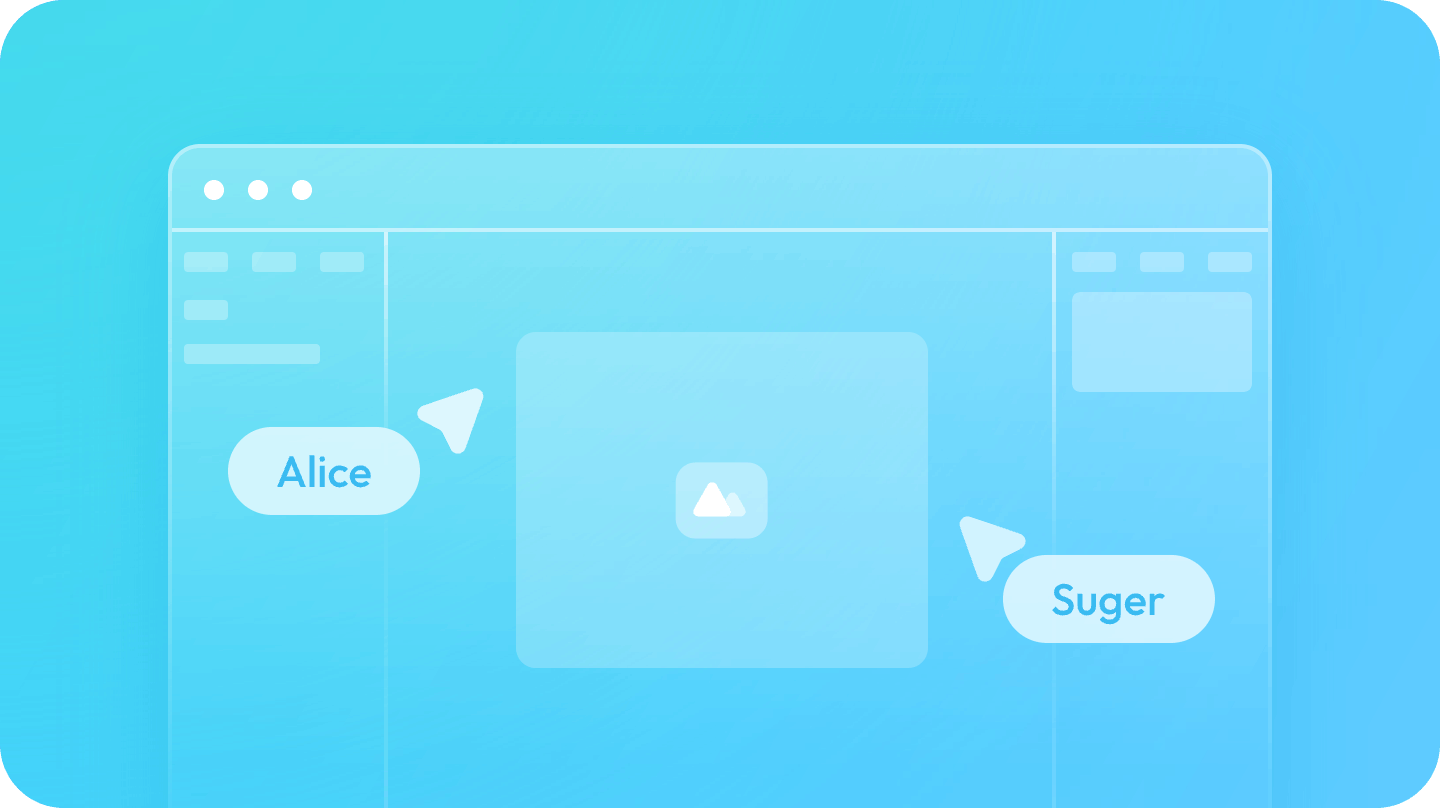
Design together in real time
Create alongside your teammates in a shared Pixso file. Leave comments on the details that need discussion, and keep design updates and feedback together.

Bring your screens to life
Connect screens, set transitions, and present an interactive prototype in Pixso. Give your team a clickable experience to explore before development begins.
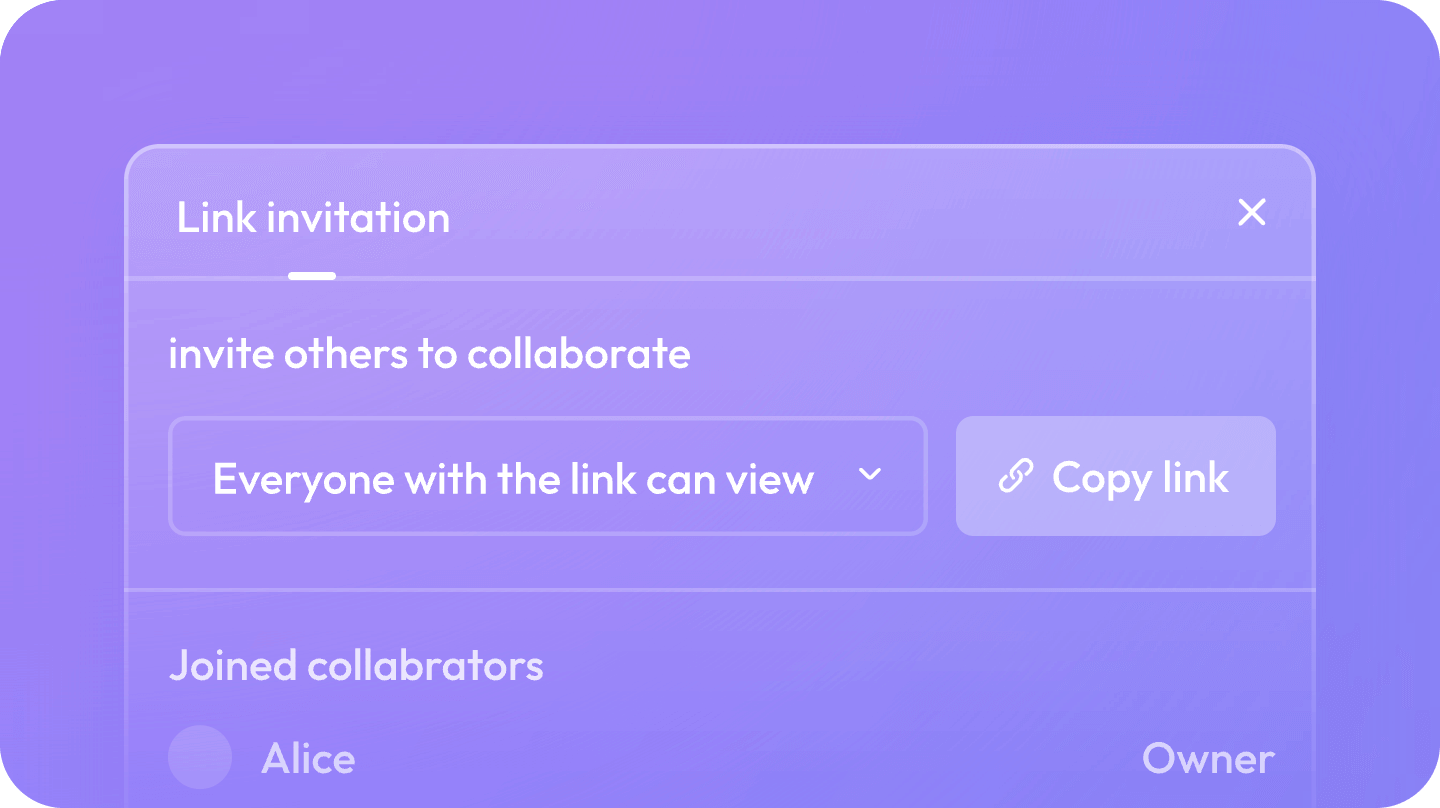
Give developers the details
Share your design file so developers can inspect measurements, styles, and assets directly. Keep implementation discussions connected to the interface you are building.
Why make the switch to Pixso?
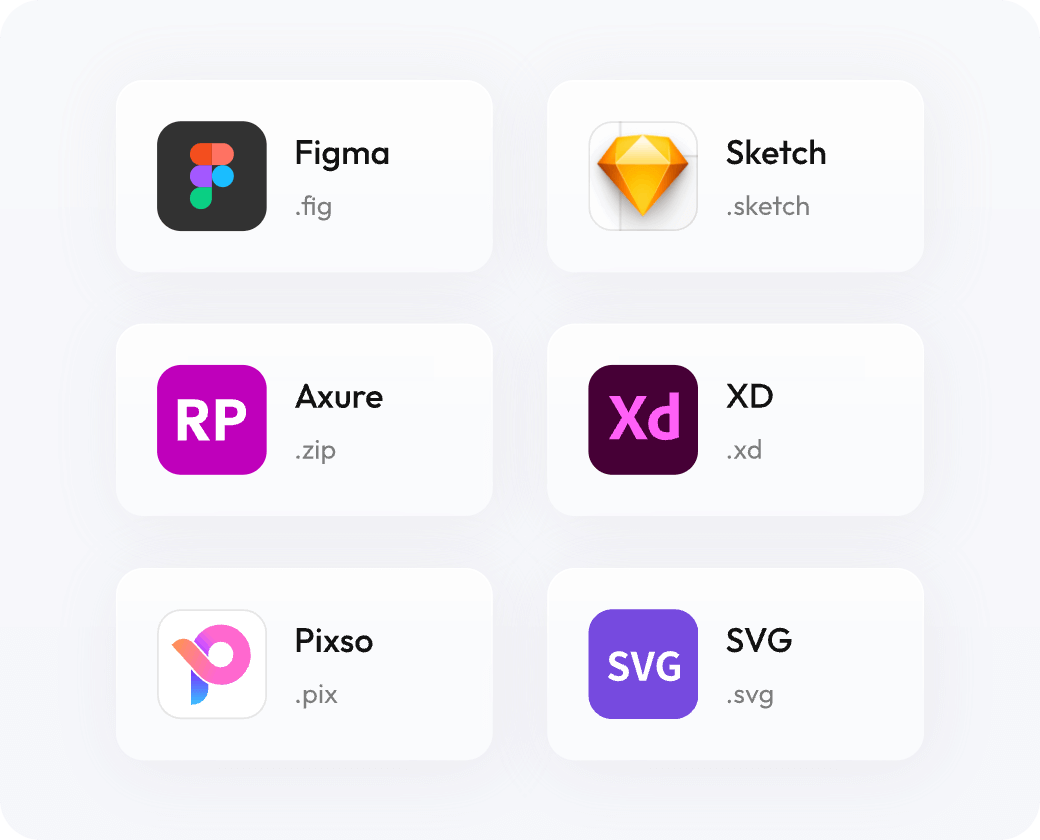
Bring your Figma files into Pixso
Import a .fig file and continue designing in Pixso. Build on the interfaces you have already created, then bring your teammates into the file. Fonts, components, and prototype interactions may need adjustment after import, so start with one project before moving your full library.
Work together wherever you are
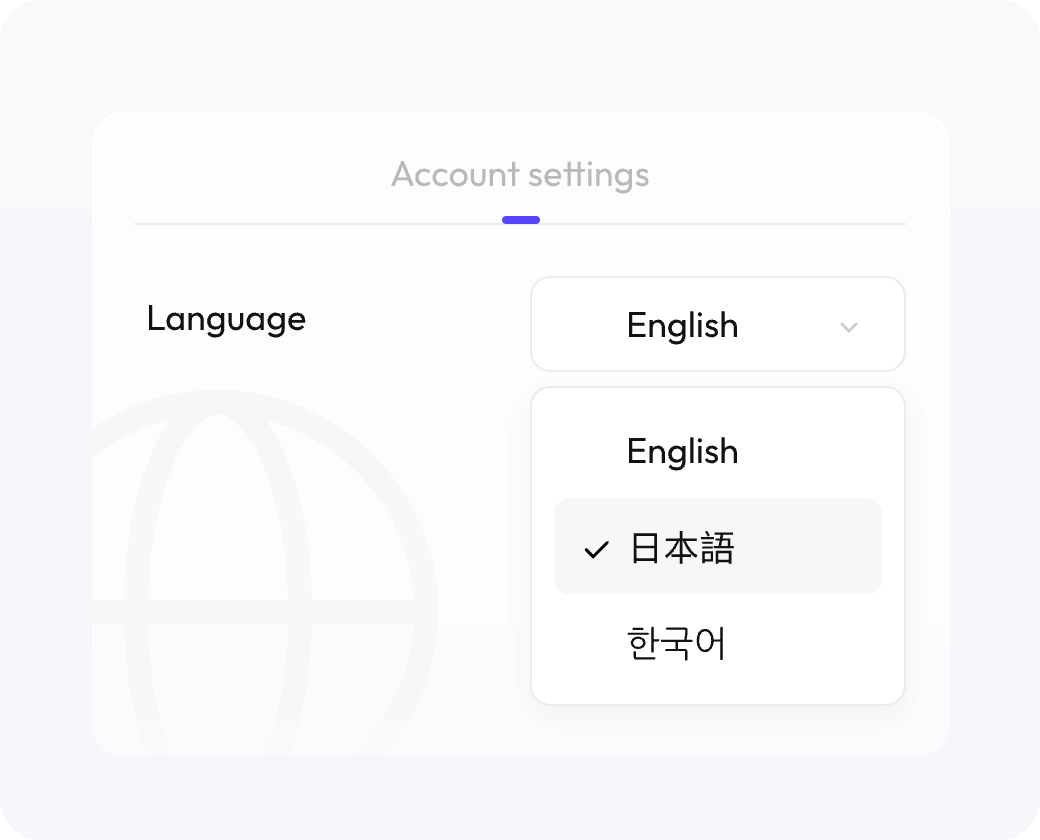
Design in Pixso's English interface and bring teammates into shared files. Keep comments and design decisions beside the work, so designers, reviewers, and developers can collaborate across locations.
Your infrastructure.
Our design workspace.
Bring Pixso to your enterprise intranet or private cloud. We offer private deployment for teams that need a design environment on their own infrastructure, with deployment and integration options shaped around your requirements. Explore private deployment.
Start free. Grow with your team.
Start designing with our free plan. As your workflow grows, choose the plan and seats you need for design, collaboration, and developer handoff. View Pixso plans to find the right fit for your team.
Pixso vs. Figma
| Your design workflow |

|

|
|
|---|---|---|---|
| Design and prototyping | Supports vector design, components, Auto Layout, interactive prototypes, and reusable styles and variables | Supports vector design, components, Auto Layout, interactive prototypes, and reusable styles and variables | |
| Team collaboration | Co-editing, comments, shared designs, and developer handoff | Co-editing, comments, shared designs, and developer handoff | |
| Figma files | Import .fig files and continue designing in Pixso | Create and edit Figma Design files; export local .fig copies with permission | |
| Where you work | Browser, Windows, and macOS desktop apps | Browser, Windows, and macOS desktop apps | |
| Deployment | Online service or enterprise private deployment, including intranet and private cloud | Cloud service with data-residency options on Enterprise | |
| Enterprise management | Members, permissions, and shared libraries for team administration | Organization and enterprise plans provide centralized management and security controls | |
| Help and support | English help resources and enterprise deployment consultations | Help center, support forum, and email support on paid plans | |
| Plans and seats | Free entry plan and paid options for design, collaboration, and enterprise teams | Starter, Professional, Organization, and Enterprise plans with role-based seats | |
Your questions about switching to Pixso
Q1: Can I start using Pixso for free?
Yes. Start with our free plan and move to a paid plan when you need additional capabilities. File allowances, team features, and seat access depend on the plan you choose.
Q2: Can I import my Figma designs into Pixso?
Yes. Save a local .fig copy from Figma, then use Import in your Pixso workspace to open it. You will need permission to export the source file. Figma comments and version history are not included in a local .fig copy.
Q3: Can I also import Sketch and Adobe XD files?
Yes. Choose Import in your Pixso workspace and select a supported Sketch or Adobe XD file. Open the imported design to continue editing, then adjust any fonts, components, or interactions that need attention.
Q4: Does Pixso offer private deployment?
Yes. We offer private deployment for enterprise teams, including intranet and private-cloud options. Our team can help you define the hosting, access, integration, and support arrangements for your organization.
Q5: Do I need to install Pixso?
No. You can start designing in Pixso from a supported browser. If you prefer a desktop app, Pixso is also available for Windows and macOS.
Make your next design a Pixso project