Scott
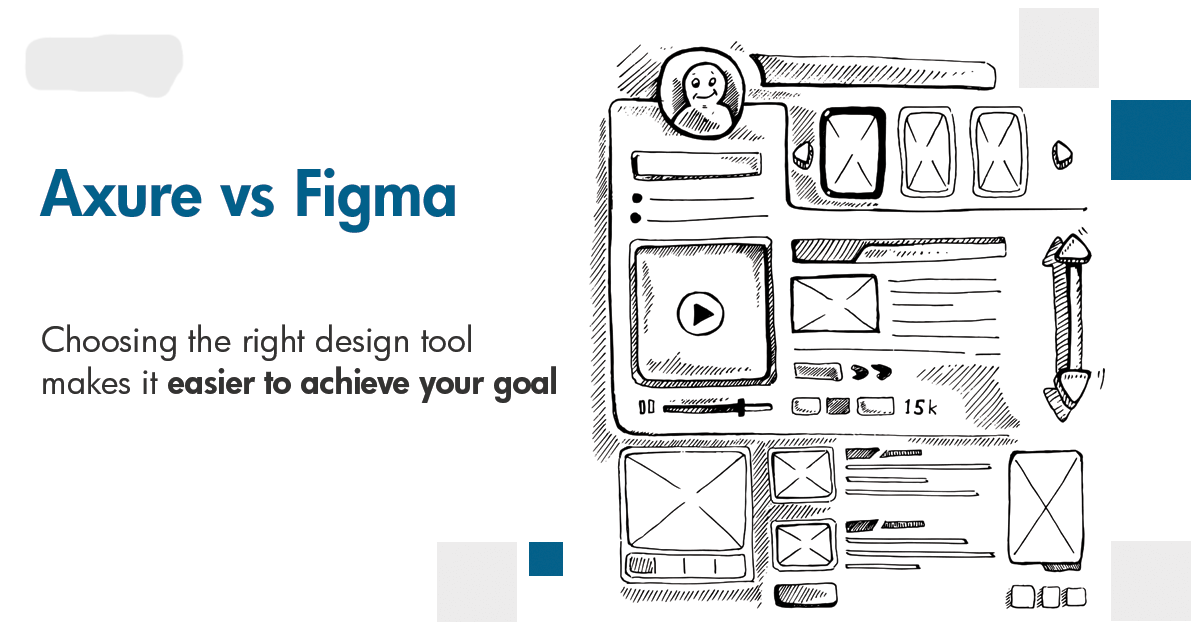
Axure and Figma solve different parts of interface work. Axure is strongest when the prototype must prove detailed behavior and conditional states. Figma is strongest when the team is shaping an interface system, reviewing it together, and carrying approved work toward handoff. The right choice follows the question your prototype must answer.
Let the prototype risk decide
Axure and Figma can both support interface work, but the trade-off becomes clearer when the team names the risk it needs to reduce. Conditional behavior and dense logic may require deeper interaction modeling; shared component review and rapid team iteration may matter more for a system-led interface project. Test the same scenario in each tool, then record what reviewers understood and what developers could inspect without extra explanation.
- Behavior: identify conditions, variables, and recovery paths.
- System: compare component reuse and variant clarity.
- Review: observe how stakeholders comment and resolve decisions.
- Handoff: check whether the approved behavior and measurements are discoverable.
Use the comparison below as a task guide. It avoids a universal winner and focuses on the work designers actually repeat: structure, components, behavior, review, and delivery.

Quick decision guide
| If your next decision is about… | Start with… | Why |
|---|---|---|
| Conditional behavior, validation, or complex form states | Axure | Model the behavior you need to test, then document the states that matter. |
| Components, responsive screens, and a shared interface system | Figma | Keep visual decisions and reusable patterns close to the team’s review loop. |
| Cross-functional review in one browser-based file | Figma | Invite reviewers early and keep comments attached to the current decision. |
| A research prototype where behavior is the product question | Axure | Spend fidelity on the interaction that must be observed, not on every visual detail. |
| A product team standardizing interface delivery | Either, evaluated with the same file | Compare component reuse, version recovery, review, and handoff using your own workflow. |
Axure: depth for behavior-led prototypes
Axure is useful when a prototype must express conditions, variables, validation, or several paths through a task. That depth helps research teams test behavior before implementation. It also creates a responsibility: name the states, keep the tested path narrow, and record which behavior is intentional so the prototype remains readable.
Figma: a connected interface and review workflow
Figma fits teams that move from layout to components, prototype, review, and developer inspection in the same family of files. Its value is not a single canvas feature; it is the continuity between system decisions and the people who review or build them. Test permissions, version recovery, and inspection in the plan your team would use.
Evaluate both with the same file
- Choose one product task with a happy path and one error state.
- Build two or three screens and define the component or state that must change.
- Ask a researcher or stakeholder to complete the path without narration.
- Ask a developer to find the approved state, measurements, and assets.
- Record time to first useful review, manual rework, and questions that the file could not answer.
Keep the evidence close to the decision. A prototype that looks polished but cannot answer the research question is expensive; a system that cannot be reviewed or handed off is expensive in a different way.
Where Pixso fits
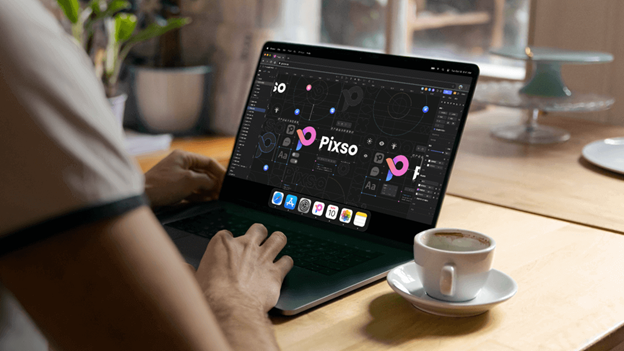
Pixso is worth evaluating when the team wants browser-based interface design, reusable components, prototype review, and handoff connected in one workspace. Recreate the same test file and compare the steps that matter to your team; do not infer compatibility or migration effort from a name alone.
Before adopting any tool, confirm current platform support, access controls, export behavior, and plan terms in the vendor’s documentation. Those details change more often than the basic design concepts described here.
Further reading
For a broader comparison of interface tools, read the UI design tool evaluation guide.
![[Full Review] Ant Design VS Material UI](https://pixso.net/assets/media/ant-design-vs-material-ui-e85acb360e96ca74.webp)