
Scott
A web banner has a small space in which to communicate an offer and a next step. Whether it appears on your website, in an advertising placement, or at the top of a social profile, the design should make that message easy to understand.
Decide what the reader should notice first: the product, the event, or the offer. Give that element the strongest visual emphasis, then support it with a short headline and one clear action. A crowded banner makes the reader work to find the point.
This guide uses banner examples to explain those decisions, walks through a template-based workflow in Pixso, and compares tools for individual designs and larger campaigns.
Part 1. How Do I Create a Banner?
1.1 What Web Banners Do You See Online?
The placement determines the dimensions, amount of copy, and information hierarchy. These examples show three ways a banner can support a campaign.
- Social media banner: A profile header introduces your brand before someone reads a post. Use a recognizable image, a short message, and the same colors and typography as your other channels. Keep important text clear of areas covered by the profile photo or cropped on smaller screens.
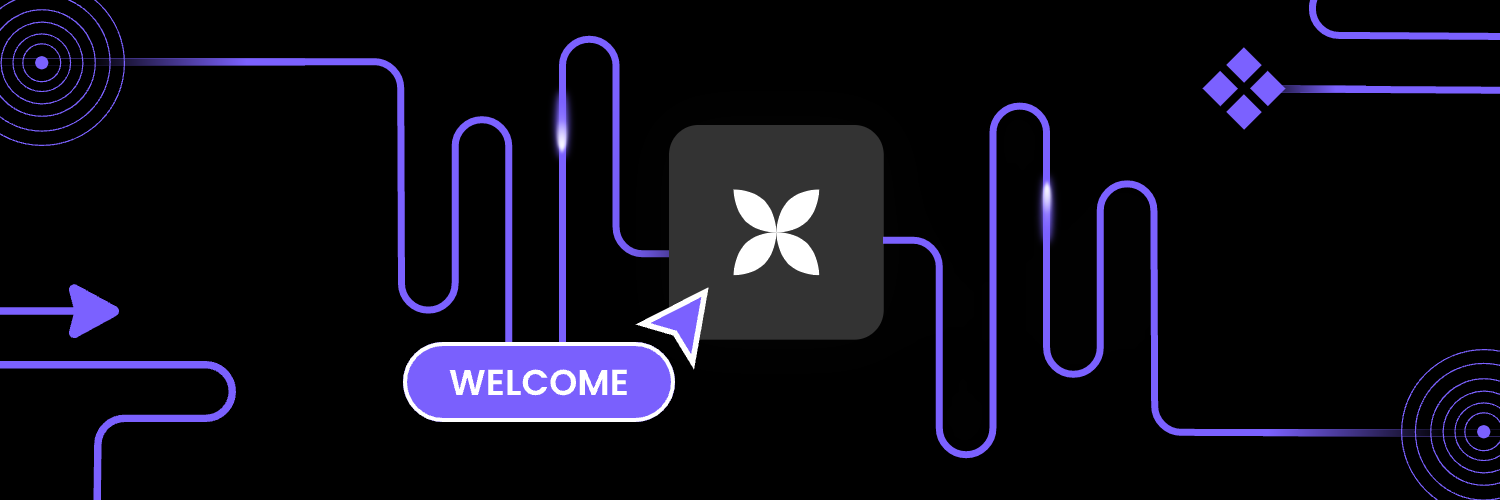
Source: Pixso Community
- Digital art or NFT project banner: Let a representative artwork establish the visual identity, then add the collection name and a concise description. The example below uses the artwork as its focal point. If the banner promotes a launch, make the date and destination easy to find without obscuring the image.
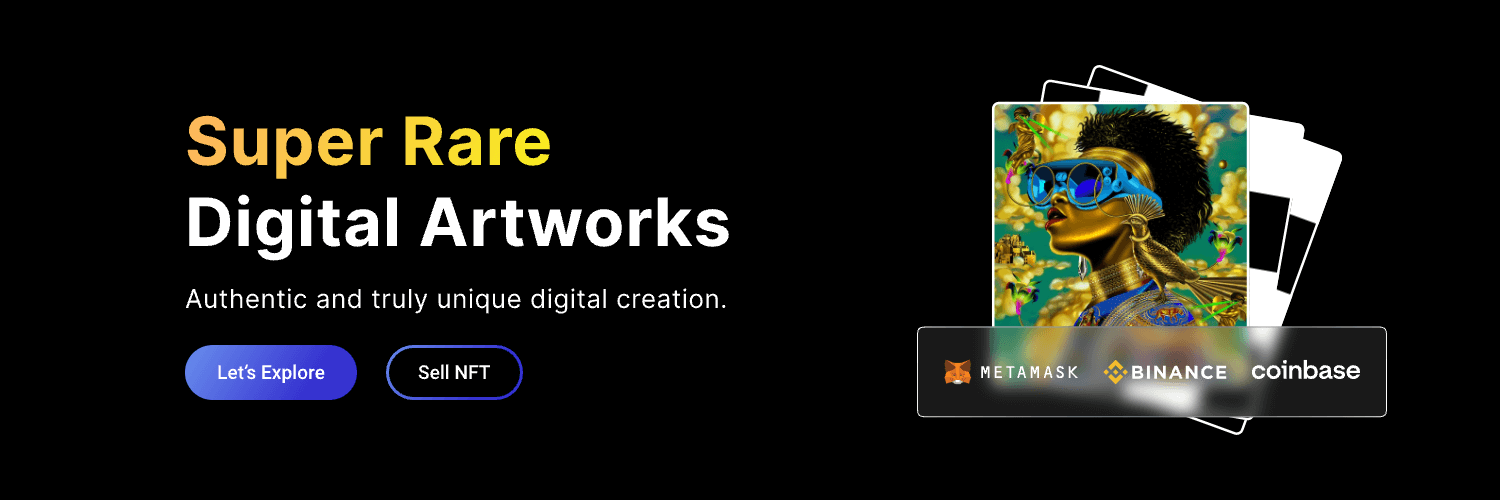
Source: Pixso Community
- Website campaign banner: A reusable campaign layout can support a sale, product release, or event. Keep the headline, visual, and call to action in a consistent order, then adapt their proportions to each placement. A wide desktop banner and a narrow mobile banner usually need different arrangements rather than a simple reduction in size.

Source: Pixso Community
Browse banner design templates
1.2 Choosing a Tool for Banner Design
Choose a tool around the work you need to do. A single banner may only need a template and an image editor. A campaign with several sizes and reviewers benefits from reusable layouts and shared feedback. Pixso is a browser-based design tool you can use to assemble and review those layouts.
These Pixso features are useful when preparing banner artwork:
1. Arrange the message and visual
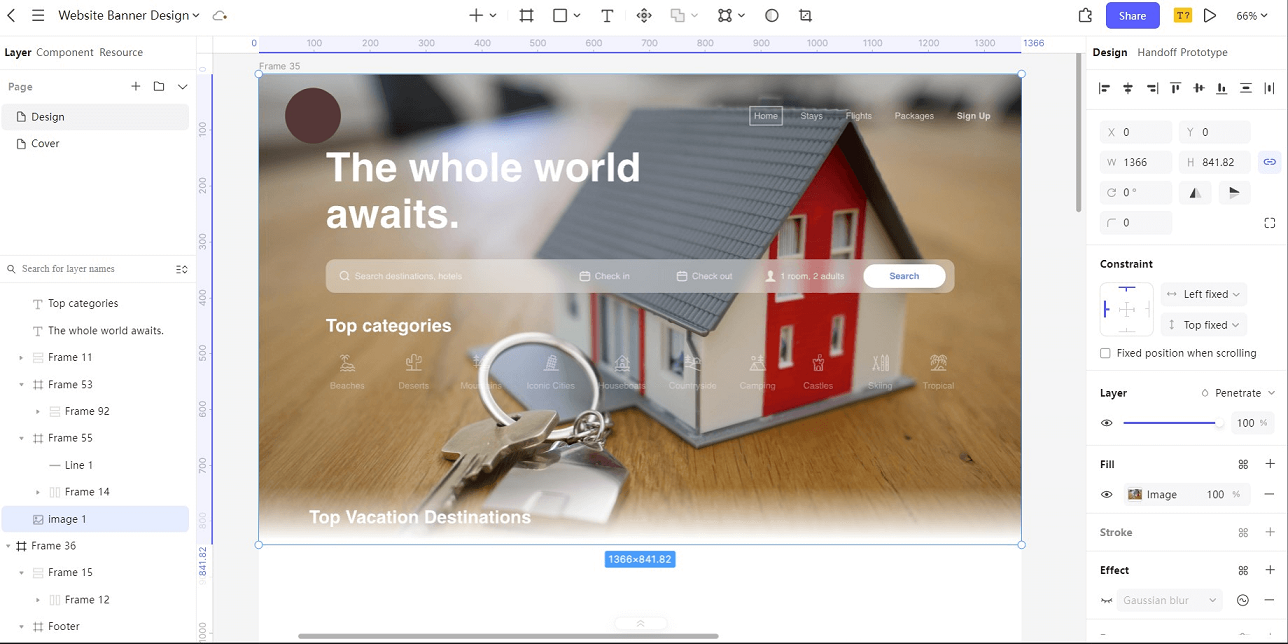
Use frames, text, shapes, and image fills in Pixso to build the banner. Place the headline and main image first, then add supporting copy and the call to action. Gradients and shadows can help separate elements, but they should support the hierarchy rather than become the main attraction.
2. Reuse existing design material
If your team already has a design file in a supported import format, bring a copy into Pixso and review the result before adapting it. Check fonts, image crops, and component behavior so an imported layout does not introduce inconsistencies into the campaign.
3. Start with the appropriate plan
Pixso offers a free entry plan. Before setting up a team campaign, check the current file limits and collaboration permissions against the number of people who need to edit and review the work.
4. Collect feedback in context
Share the design with the appropriate permissions and use comments to discuss the wording, image selection, and layout. Keeping feedback beside the artwork makes it easier to identify which banner and which element need to change.
5. Adapt the layout for each placement
Auto Layout can help keep spacing consistent when text or elements change. Create separate frames for the required banner sizes and review each composition. Long headlines, different image crops, and localized copy may still need individual adjustments.
1.3 Steps to Design a Banner Using Pixso
Start with a blank frame or a suitable community template. Before editing, confirm the target dimensions and the message you want the banner to communicate. The example below follows the template route.
Step 1: Browse the Pixso Community for a banner layout that fits your content. Open the resource and use its copy option to add an editable version to your workspace.
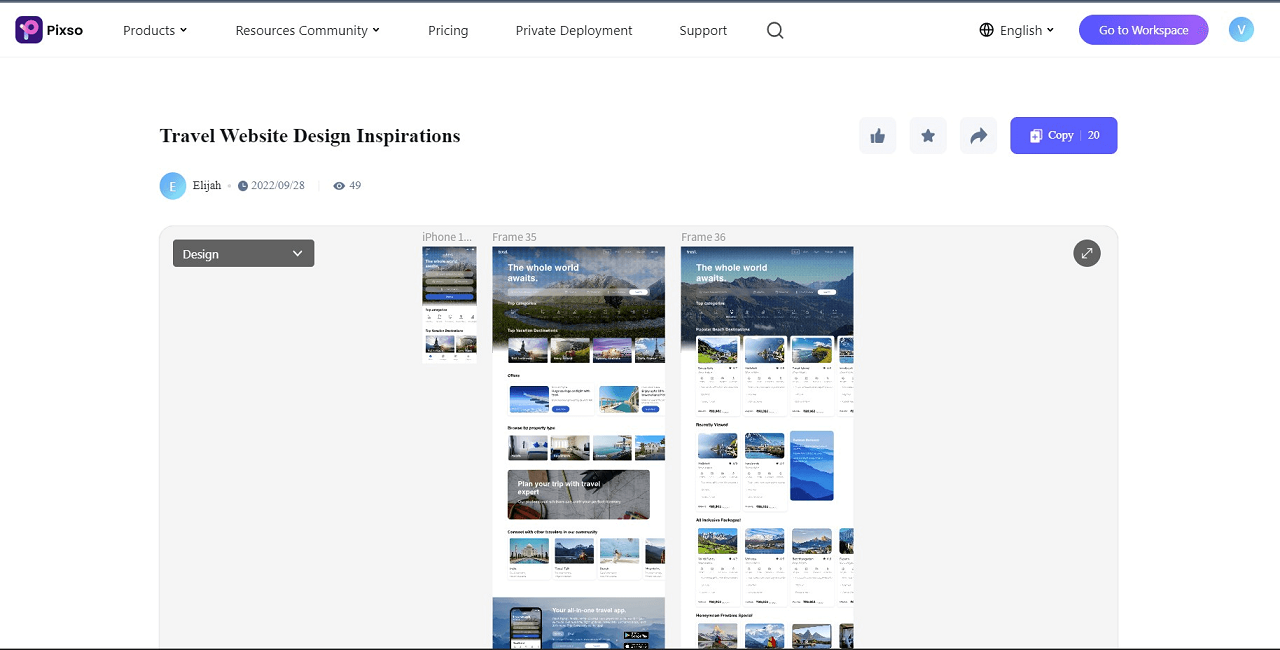
Step 2: Open the copied design in Pixso. Inspect the frame dimensions, text layers, and images before replacing the sample content. If a font is missing, resolve it or choose a suitable alternative before judging the layout.
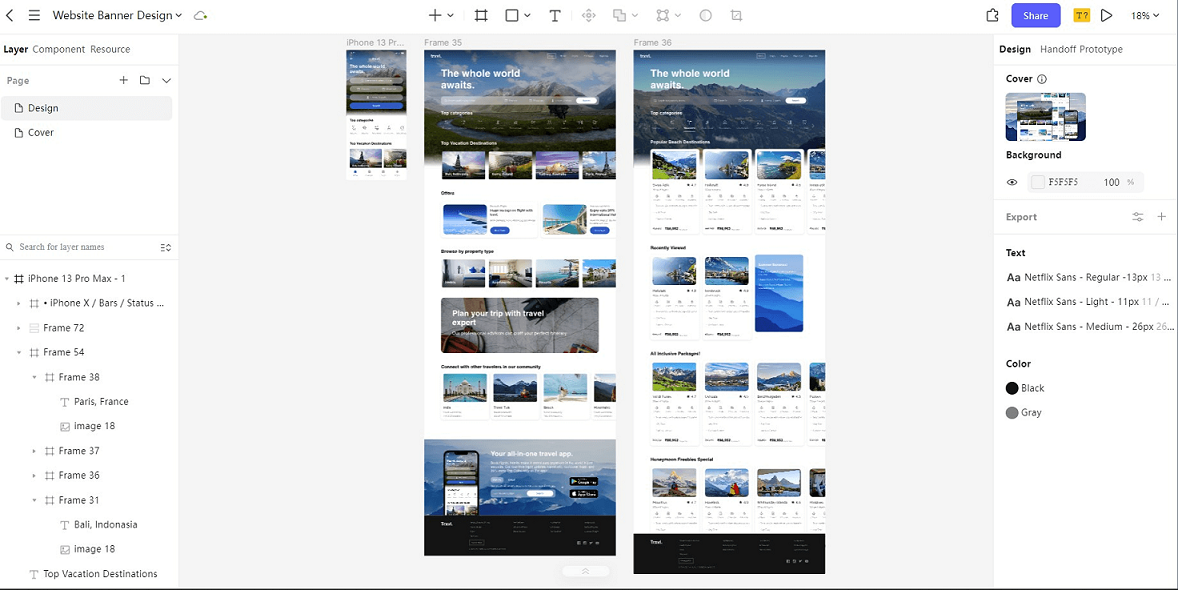
Step 3: Replace the headline, images, colors, and call to action with your campaign content. Review the banner at its intended display size, then prepare the required output. When adding it to a website or ad platform, configure the destination link there; an exported image does not contain a working button.
Part 2. Other Tools for Website Banner Design
#1 Canva
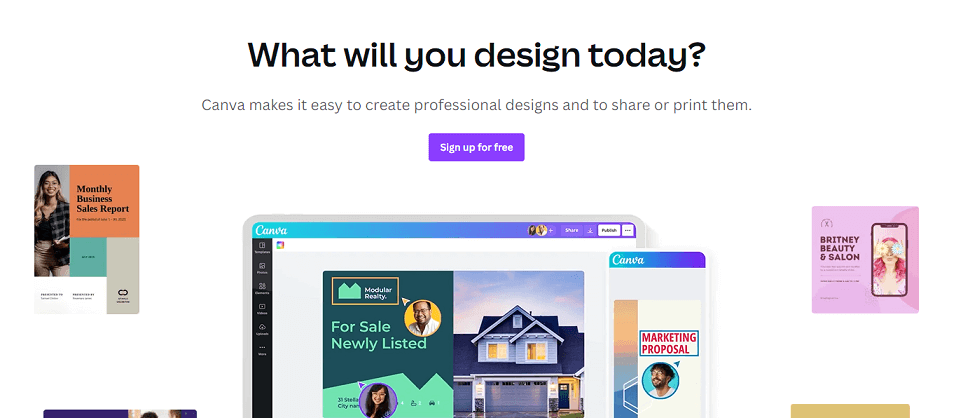
Canva is a practical option when you want to begin with an existing banner template and customize the text, imagery, and colors. Its template library is particularly useful for common marketing and social formats.
Good fit:
- Starting from a ready-made web or social banner layout.
- Replacing template text and images in a visual editor.
- Adapting the color palette and typography to a campaign.
- Keeping several campaign designs together in an online workspace.
- Creating a small set of banners without building every layout from scratch.
Before choosing:
- Check whether the chosen template, image, or font is included in your plan.
- Confirm the export and resizing options you need before preparing a full campaign.
#2 Abyssale
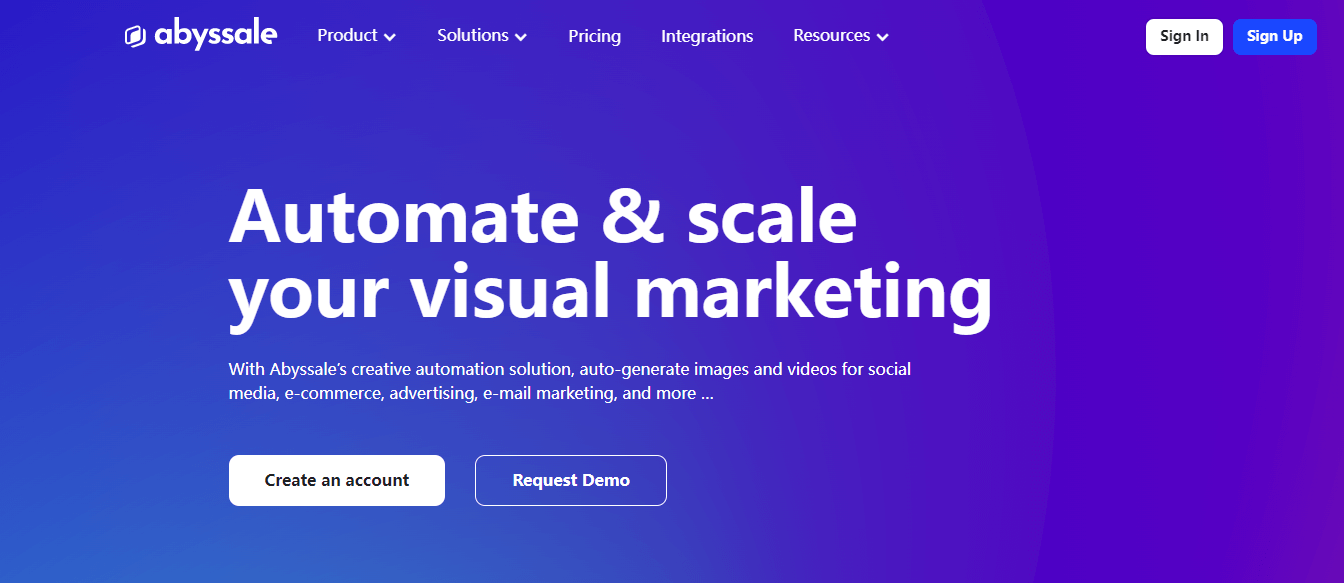
Abyssale focuses on producing variations from reusable creative templates. It is worth considering when a campaign needs many combinations of sizes, images, offers, or languages.
Good fit:
- Generating multiple campaign assets from one reusable template.
- Preparing layouts in its visual editor.
- Using data to populate variations of a design.
- Reusing a campaign structure for recurring promotions.
- Connecting creative production to other tools through its API or automation integrations.
Before choosing:
- Allow time to configure the template and map the data that will change.
- Test the longest headline and most difficult image crop before generating a large batch.
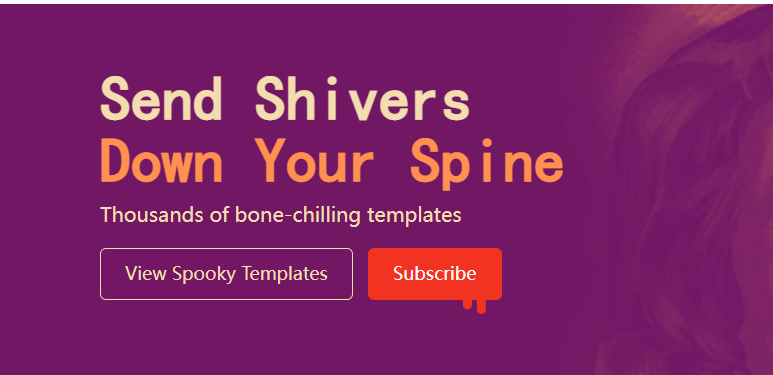
#3 Placeit
Placeit is useful for template-based marketing graphics and mockups. Consider it when an existing layout is close to the result you need and you want to customize the content in a browser.
Good fit:
- Selecting a ready-made layout for a specific campaign or channel.
- Changing text, colors, and imagery within a template.
- Presenting campaign artwork in a mockup.
- Preparing related marketing graphics with a consistent visual theme.
Before choosing:
- Check that the template provides the controls needed for your layout.
- Confirm whether the selected template is free or requires a paid download.
- Inspect the download format and dimensions before committing to the design.
Part 3. FAQs About Banner Design
Q1. What should a banner include?
Give the banner a clear headline, a relevant visual, and one next step. Include a date, price, or qualification only when the reader needs it to understand the offer. Keep the destination page consistent with the message on the banner so the click leads to what was promised.
Q2. What are the types of banner ads?
Banner ads can use several formats. The publishing platform determines which ones are supported and how they must be delivered:
- Static banners: A single image or graphic with a fixed message. They are useful when the offer can be understood without motion or interaction.
- Animated banners: A sequence of frames or motion that introduces the message over time. Make the offer understandable without requiring the viewer to watch every frame.
- Interactive banners: Ads with controls or other elements that respond to user input. Plan the interaction and the destination as part of the design.
- Expandable banners: Ads that reveal a larger area after a supported interaction. Confirm the placement requirements and provide a clear way to close the expanded view.
- Rich media banners: Ads that combine features such as animation, video, or interactive elements. They require implementation and testing beyond exporting a static design.
Make One Message Easy to Act On
Choose the placement and message before decorating the banner. Keep the visual hierarchy clear, adapt the composition to each size, and connect the finished asset to the right destination. A useful template gives you a starting structure; the final design should reflect the content and audience of the campaign.

![[Detailed Review] UI VS UX](https://pixso.net/assets/media/core-of-ui-ux-19d28f0203322729.webp)


