Scott
Figma is a browser-based tool for interface design and collaboration. Teams may still compare alternatives when their requirements for language, deployment, file migration, or pricing differ.
Evaluate the workflow, not the logo
A migration decision is safer when the team tests a representative file instead of relying on a feature checklist. Choose a file with components, variables or styles, prototype links, comments, and a realistic handoff path. Record what imports cleanly, what needs repair, which permissions reviewers require, and how quickly a new teammate can find the right version. Recheck pricing and deployment terms on the vendor’s current pages before making a commitment; plan names and limits change.
- Migration: preserve structure, naming, and interaction intent.
- Collaboration: test simultaneous editing, comments, and review ownership.
- Governance: confirm roles, sharing boundaries, and version recovery.
- Handoff: ask a developer to inspect the approved file without designer help.
This review considers Pixso as one alternative. Compare the features and limits that matter to your workflow before deciding whether to migrate.
Part 1: Why do you need a Figma alternative
Evaluate alternatives using a representative design file and your team’s actual requirements. Start with reusable assets, version history, total cost, and performance on your own devices.
Reusable colors and design systems: Figma supports reusable color styles and variables. It is inaccurate to say that it has no global colors. Check shared-library access, variable modes, and migration of your components on the plan you will use.
Version history: Figma’s Starter plan gives access to 30 days of history; paid plans expand this access. See Figma’s version-history documentation. Test restoring a version as part of your evaluation.
Cost: Compare the required seats, paid features, billing cycle, and administration needs against current plan terms. A single team’s historical bill does not establish the cost for another team.
Performance and synchronization: Test your own complex files on the devices and network conditions your team uses. A weak connection or a single report of a crash is not evidence that one tool is universally unreliable or harmful to a computer.
Choose an alternative when it fits your workflow better. Figma already provides styles, variables, and collaboration; the useful question is how each tool handles your project and plan requirements.
Part 2: Evaluating Pixso as a Figma alternative
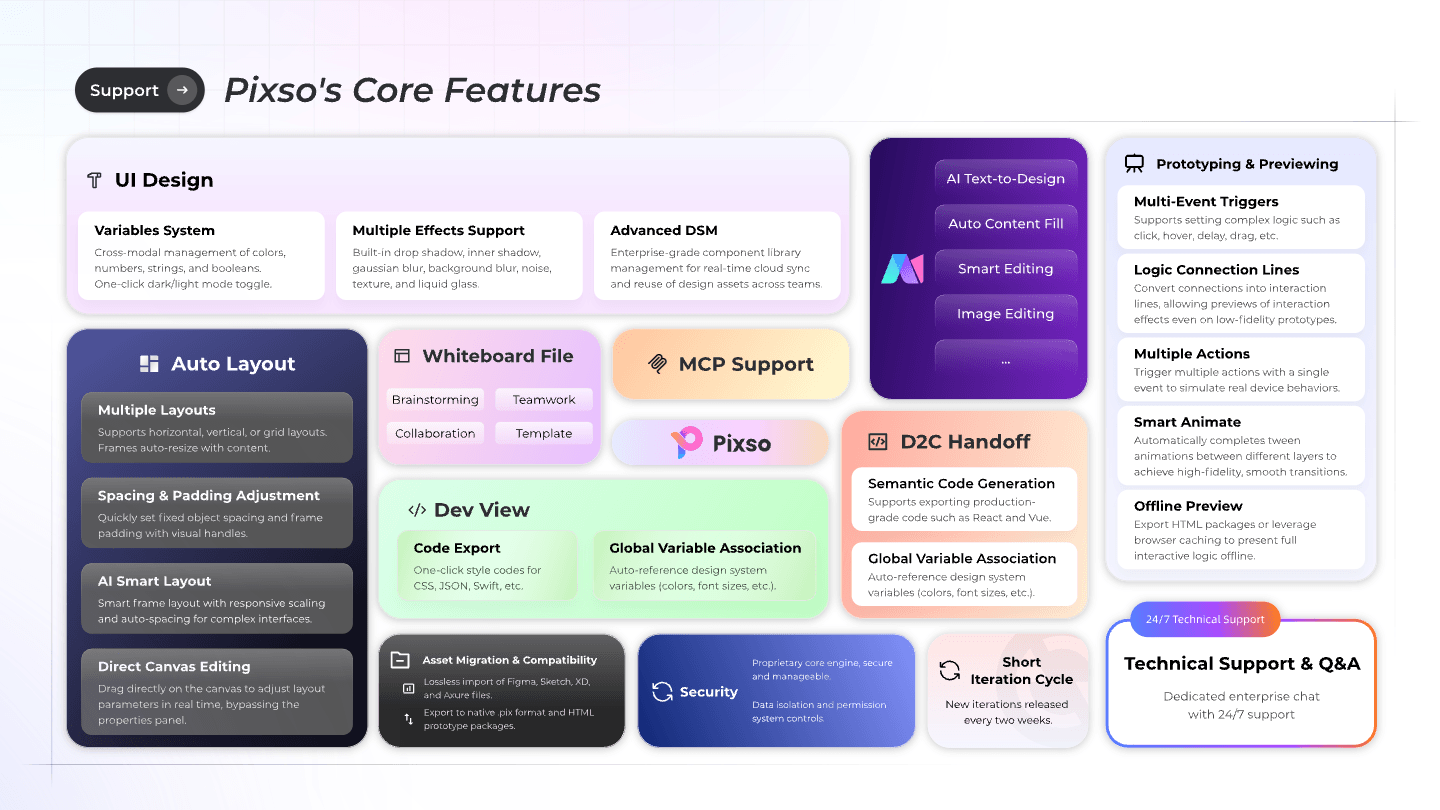
Pixso offers UI design, prototyping, and collaboration workflows. Feature sets and file formats differ between tools, so test component behavior, prototypes, permissions, and handoff before assuming a project can move without adjustments.
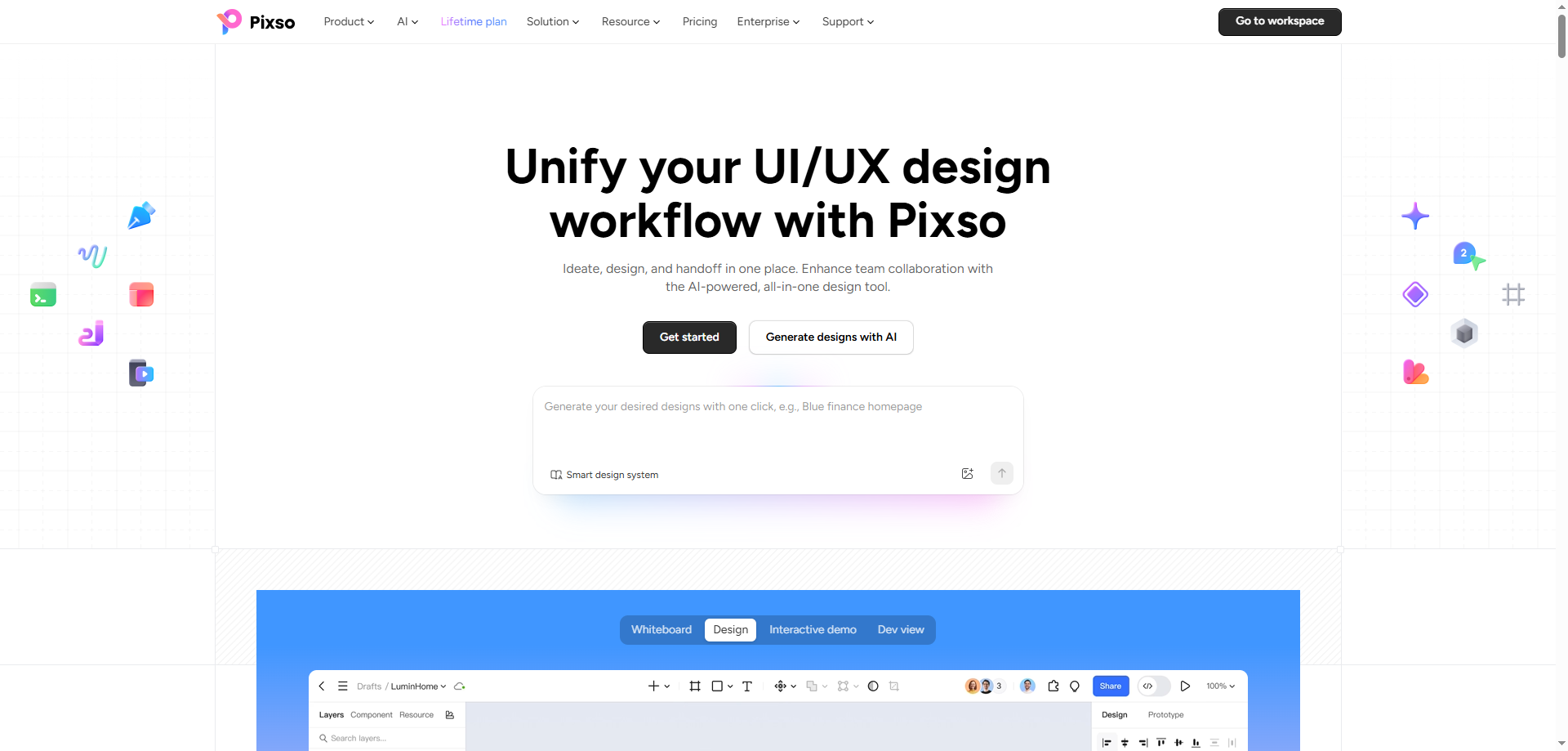
What to compare when evaluating Pixso
The following areas can help you decide whether Pixso fits your team.
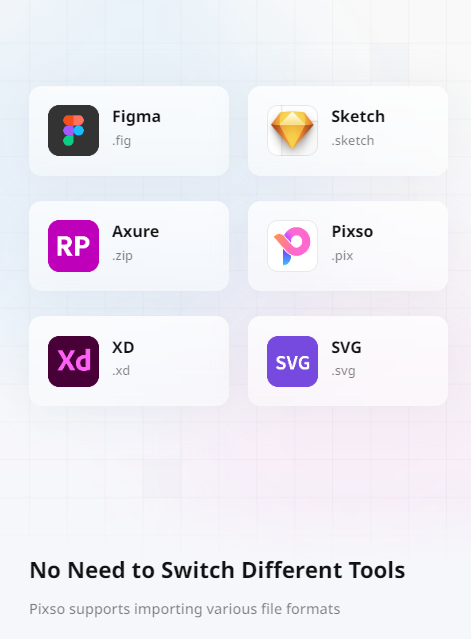
- File compatibility: Test the supported import formats in the current Pixso version with a copy of a real project. Check fonts, component behavior, and prototype interactions; importing a file does not guarantee every property will transfer unchanged.
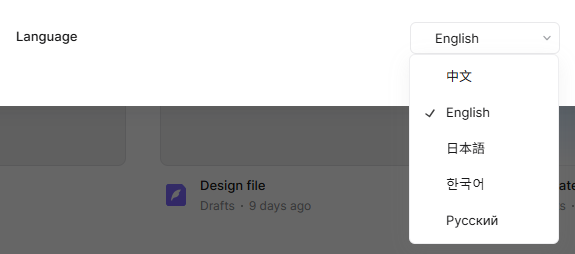
- Multilingual version: Figma is not limited to English. According to Figma's Help Center, its browser, desktop app, and mobile app currently support English, Japanese, Korean, French, German, Spanish (Spain and Latin America), and Portuguese (Brazil). Language availability and plan limits can change, so check Figma's current documentation before making a purchasing decision. Pixso's language support is described separately based on its current product documentation. See Figma's language documentation.
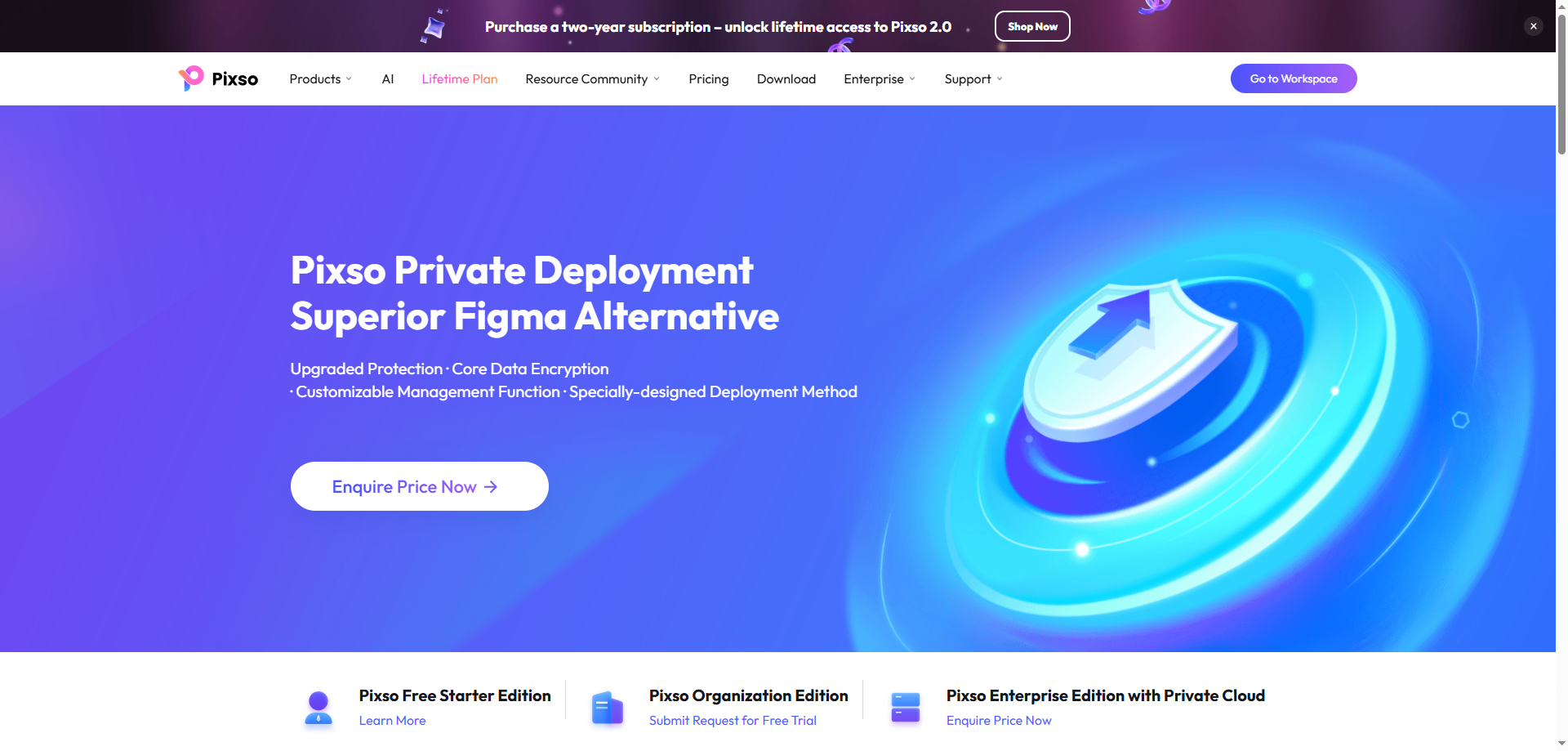
- Private deployment: If your team needs its own infrastructure, review Pixso’s private deployment options and confirm access controls, backups, maintenance responsibilities, and the supported deployment model. Hosting choices alone do not guarantee complete data protection.
- Plan and seat costs: Figma's current Starter plan includes one team, one folder, and three files, with 30-day version history; paid plans expand folder, library, variable-mode, and version-history capabilities. Check Figma's plans and features for current limits. Compare total cost by team size, features, and billing cycle before choosing a tool.
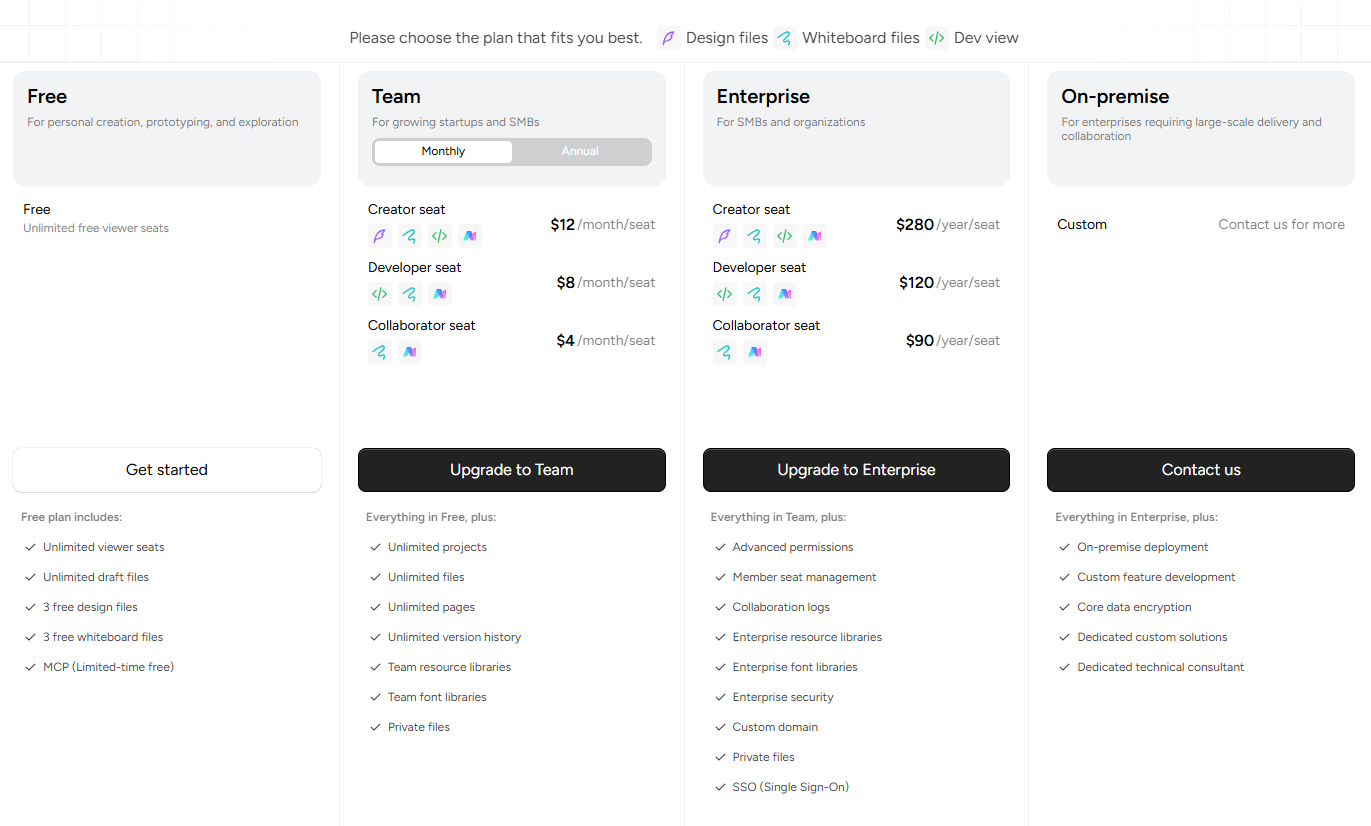
- Cloud collaboration: Test saving, disconnection, reconnection, and recovery on the devices your team uses. Confirm the current app’s offline limitations and version behavior before relying on it for a production workflow.
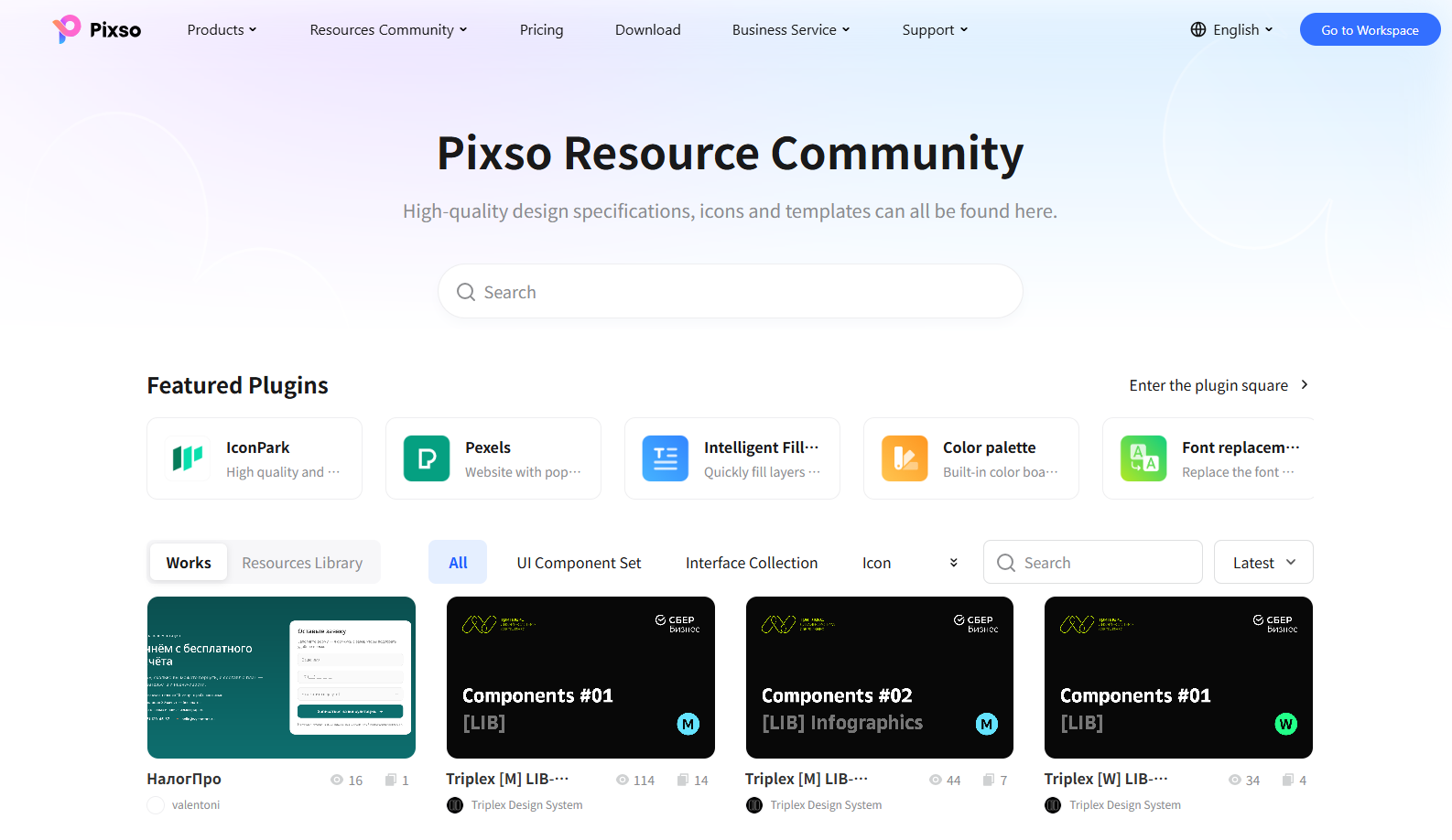
- Community resources: Browse the Pixso community for reusable components and examples. Open a resource to inspect its structure, dependencies and usage terms before adapting it to your product. Availability alone does not establish suitability for the project.
- Design and developer review: Share a representative screen, ask a developer to inspect properties and export an asset, then record missing information. Generated snippets are a starting point for implementation review, not a substitute for application logic, accessibility and testing.
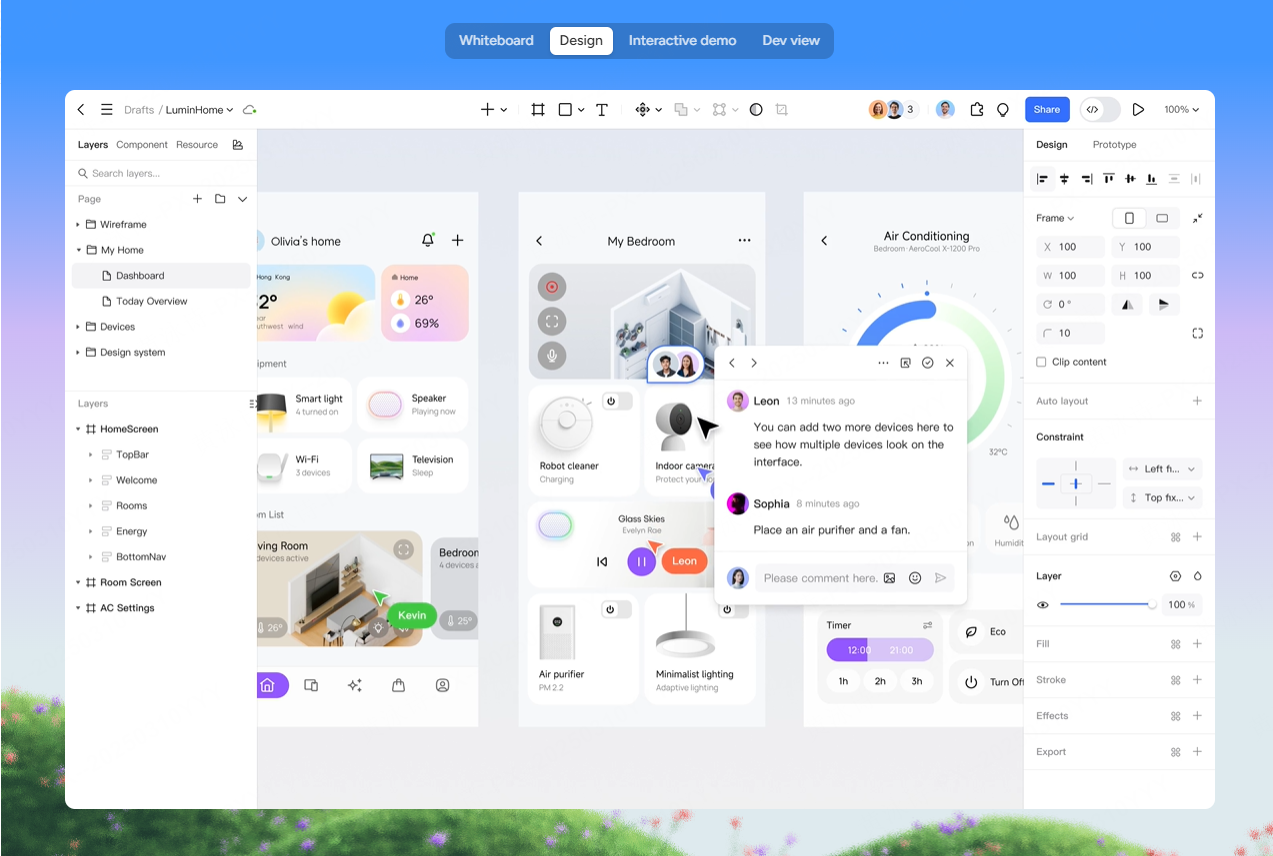
- Editing and reuse: Evaluate auto layout, components, vector editing and prototype playback using a screen that includes your real content and responsive requirements. Check where an imported component needs to be rebuilt.

Record a decision using one representative file
Use this worksheet to document your evaluation. These are suggested tasks, not results from a benchmark performed by Pixso.
- Duplicate one production file that includes reusable components, local fonts, a prototype and an exportable asset. Keep the original unchanged.
- Import the copy and compare layout, text, component overrides and interactions against the source. Record manual corrections.
- Invite a designer, reviewer and developer with their intended permissions. Check editing, comments, inspection and link access.
- Restore a previous version and check the result. Include a disconnection and reconnection check using a noncritical copy.
- List the required seats and features, billing cycle, deployment responsibilities and any migration work. Compare the current total cost for that configuration.
- Choose whether to migrate, run a limited pilot or retain the existing workflow. Attach the recorded issues to the decision.
Use the Pixso and Figma feature comparison for a purchasing overview, then validate those capabilities in this project-level evaluation.
Make the decision from your recorded requirements
Evaluate Pixso alongside Figma with a real project. Compare language support, reusable assets, version history, deployment requirements, and the total cost for your team. The better fit depends on those results.