Scott
In 2026, Lovable has become a benchmark in AI-driven development thanks to its robust full-stack web generation capabilities. However, due to varying technical stack requirements, team collaboration patterns, and regional accessibility, the market has evolved into a tripartite landscape: the "Code-First" ecosystem (represented by v0.dev and Bolt.new), the "Visual-First" approach (represented by Create.xyz), and the new generation of "All-in-One" generative platforms (represented by Paico). For individual developers seeking extreme development speed, v0.dev is a top pick. For teams that need to integrate creative ideation with high-fidelity prototyping while requiring better localization and deeper engineering maturity, Paico offers superior cost-performance and enterprise-grade adaptability.
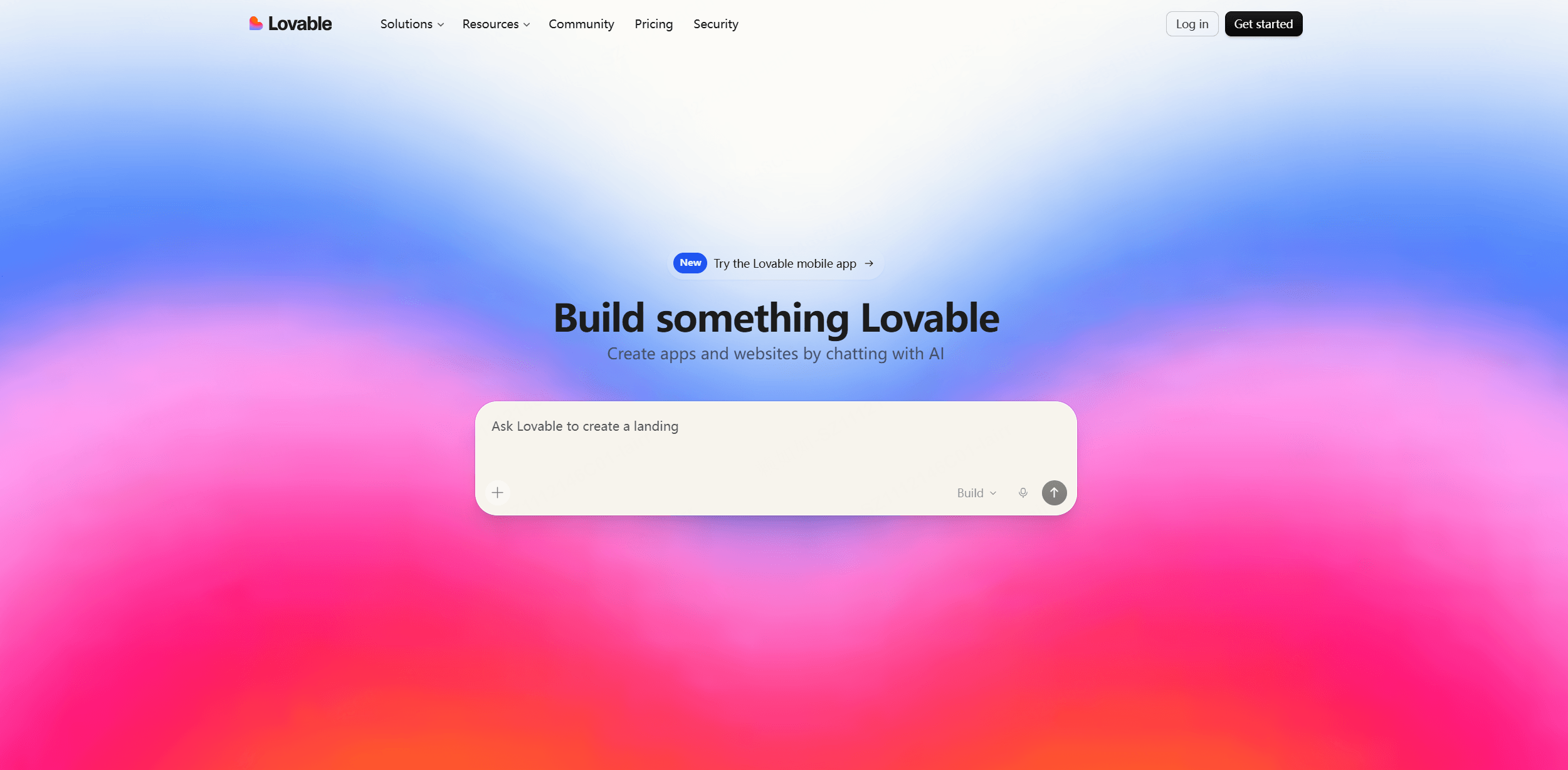
1. Why has Lovable taken the industry by storm in 2026?
Lovable has caused a sensation in both the design and development communities by effectively dismantling the barrier between design mockups and production environments. Traditionally, designers created visuals in design software, followed by developers manually translating those visuals into code.
With the evolution of AI large language models in 2026, design to code tools like Lovable have achieved a closed loop from natural language prompts to full-stack code deployment. Users input a requirement, and the system automatically generates a complete application, including the frontend UI, backend logic, and even database schemas. This integrated development paradigm slashes time-to-market by over 90%, significantly reducing the R&D burden for startups.
2. Top Lovable alternatives for 2026
2.1 v0.dev: the UI engine for modern frontend
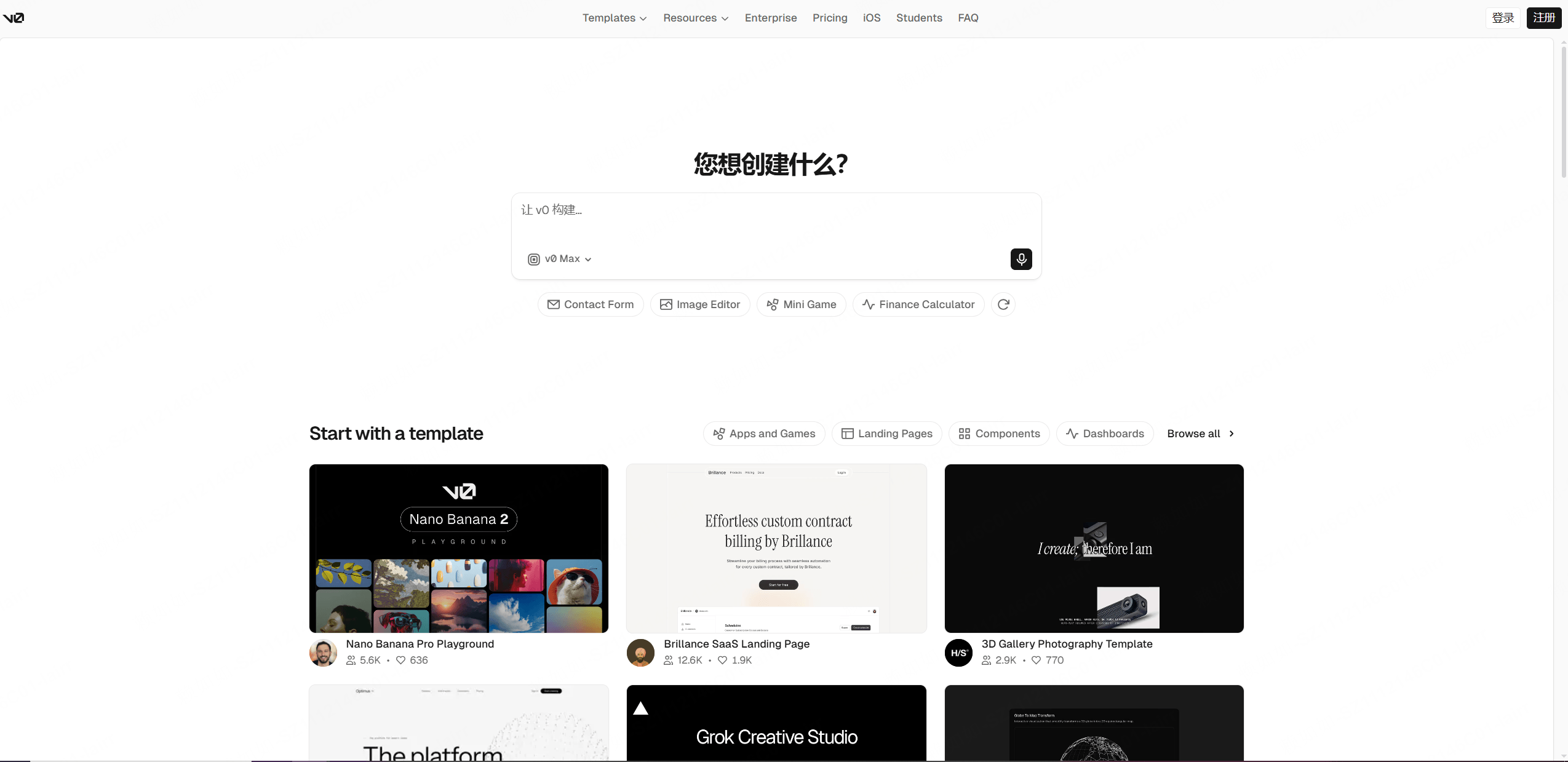
As a leader in the developer ecosystem, v0.dev is deeply integrated into frontend deployment platforms. Its core strength lies in precise control over component libraries. For developers familiar with modern web frameworks, the code generated is highly standardized, fitting seamlessly into existing production environments. It goes beyond generating single pages; it builds a maintainable component system.
2.2 Bolt.new: your full-stack cloud workstation
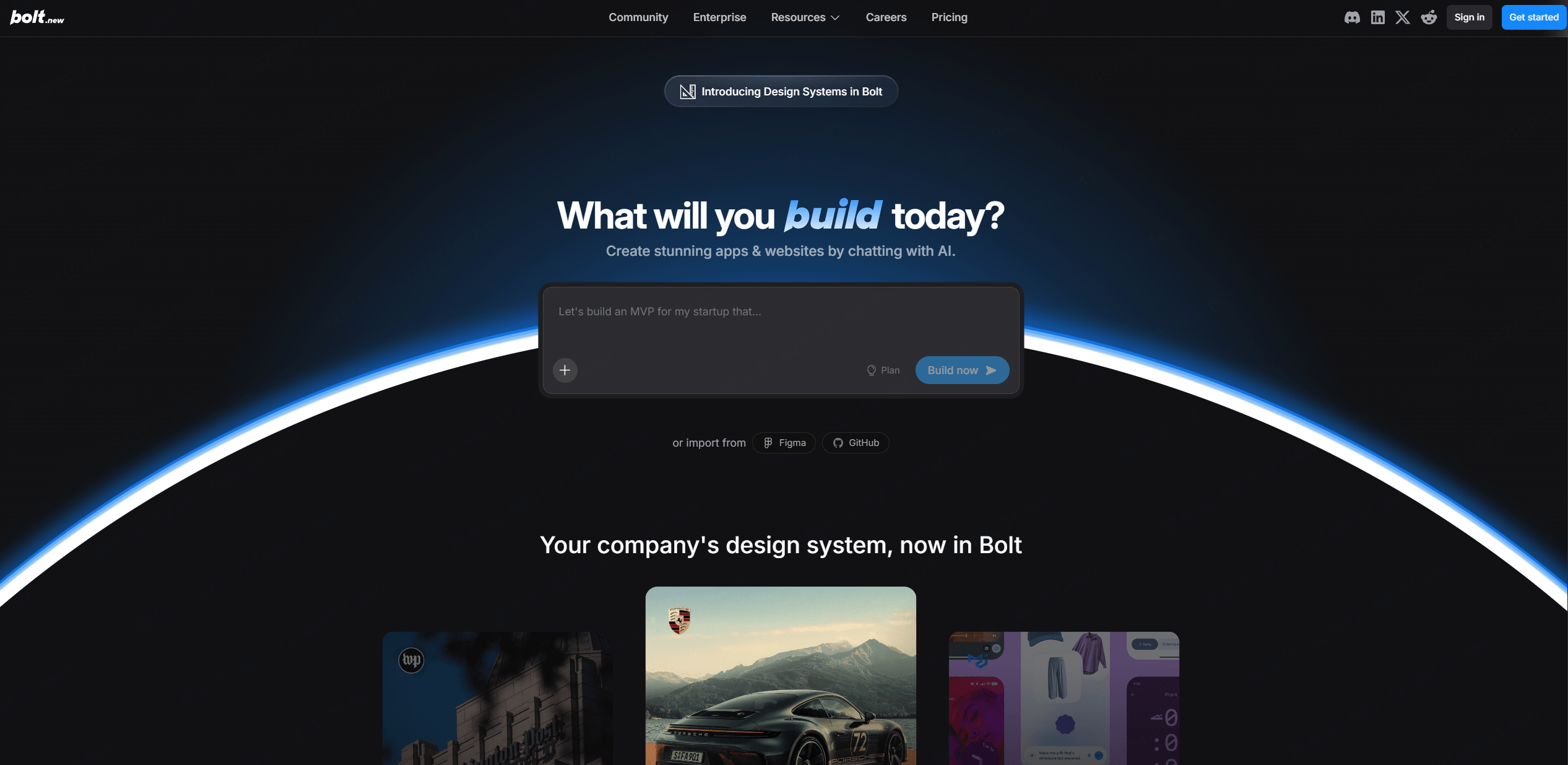
Bolt.new functions more like an intelligent editor in the cloud. Its key feature is real-time performance; users input requirements on the left, and the live application renders on the right. Similar to Lovable, it supports package installation, making it ideal for building interactive applications with complex logic.
2.3 Create.xyz: blurring the line between design and development
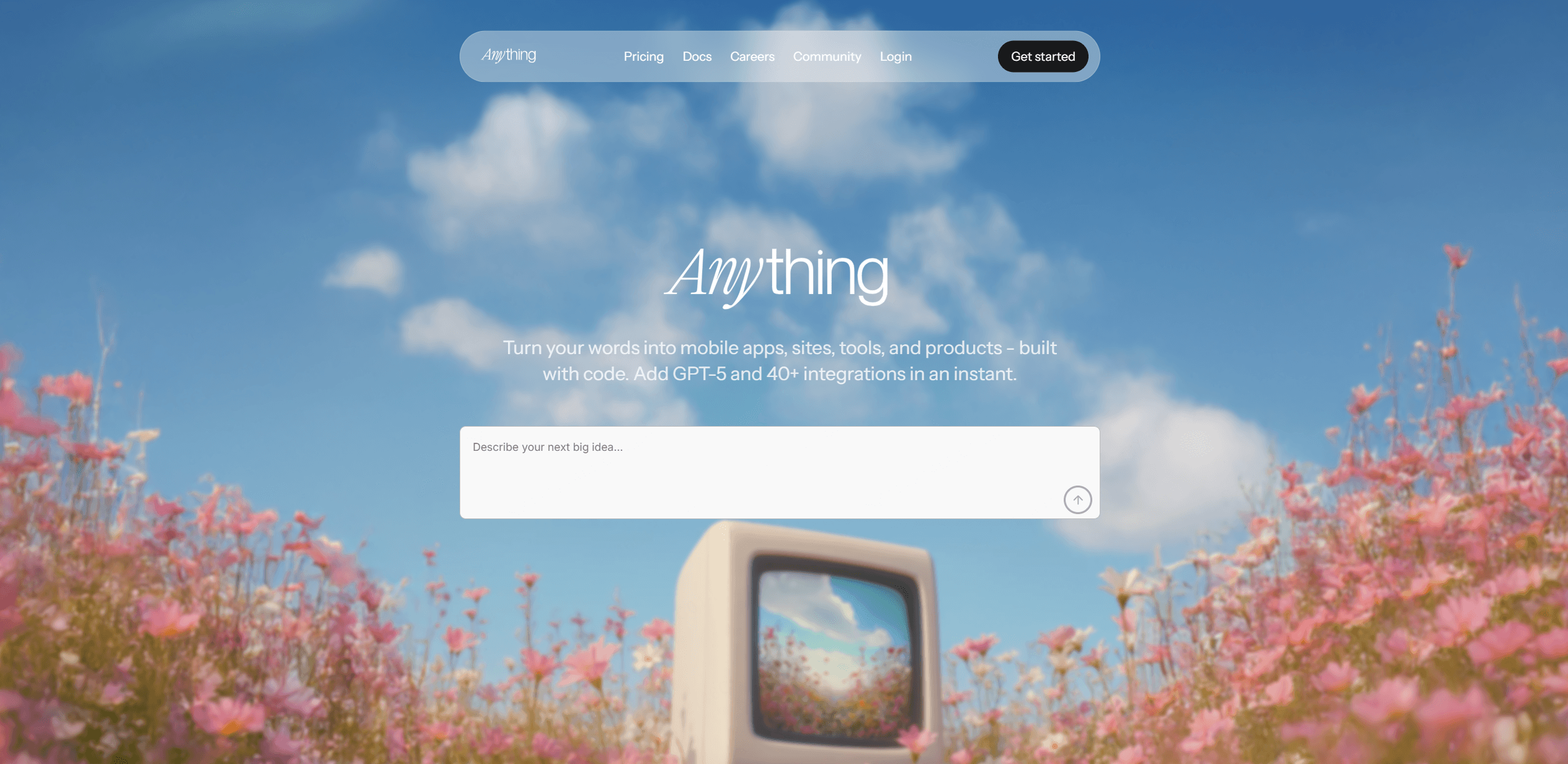
Create.xyz caters more to non-technical creatives. It uses an intuitive interface that allows users to assemble AI-generated pages like building blocks. Its strength lies in flexible interaction triggers, allowing users to configure complex dynamic effects without writing code.
2.4 Paico: the all-in-one assistant redefining AI generation
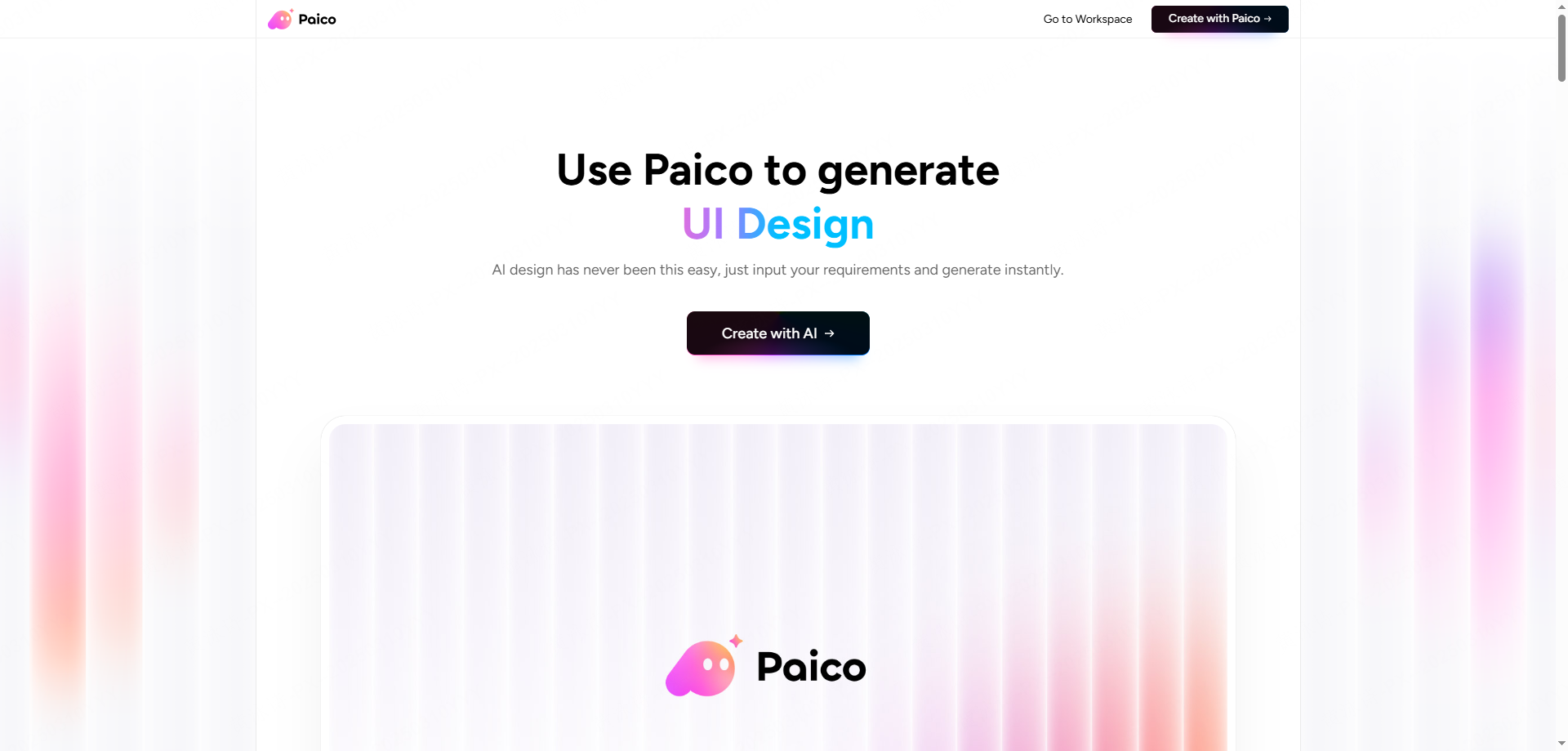
As a highly anticipated AI design platform in 2026, Paico demonstrates exceptional engineering maturity compared to other Lovable alternatives.
- Dual-mode driving: It offers a "Chat Mode" for rapid 3-minute turnarounds and an "Agent Mode" for 10-minute deep-planning generation. This granularity allows for steady handling of complex business logic.
- Component ecosystem: Unlike Lovable’s somewhat closed stack, Paico natively supports mainstream UI frameworks like Ant Design, Arco Design, and TDesign, with the flexibility to toggle between React and HTML.
- Global design system: Professionals love this feature. Users can pre-set brand colors, typography, and corner radii, just like in professional design software. Every AI-generated page inherently complies with brand assets, enabling a transition from "AI drafts" to "enterprise-level productivity."
3. Quick comparison: full-stack generative tools in 2026
| Comparison of full-stack generative development tools in 2026 | |||||
| Tool | Core Technical Edge | AI Generation Precision | Target Audience | Built-in Editor | Collaboration Capabilities |
| Lovable | Automated full-stack logic construction | Very High | Solo developers / Full-stack engineers | Yes | Medium |
| v0.dev | Standardized frontend component library | Very High | Frontend professionals | No (Export code) | Low |
| Bolt.new | Ready-to-use environment & live preview | High | Rapid prototyping | Yes | Medium |
| Create.xyz | Low-code logic configuration | Medium-High | Product managers / Designers | Yes | Medium |
| Paico | Multimodal generation + interactive semantic understanding | Very High | UI/UX designers & product teams | Yes | Very Strong |
4. Achieving the creative-to-production closed loop
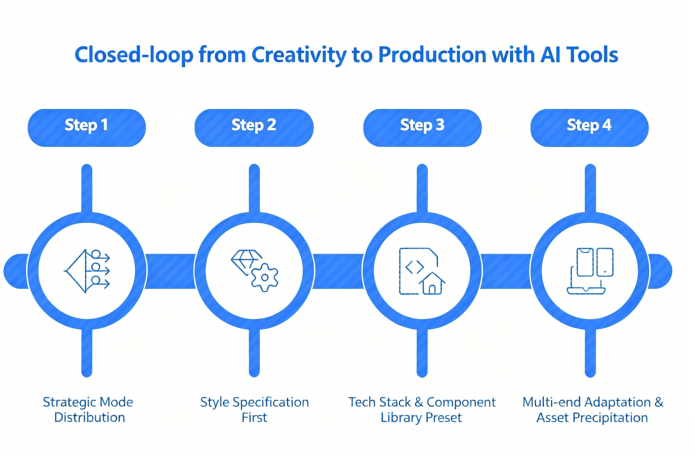
To ensure AI outputs are "production-ready" rather than just "eye-candy," follow this standard workflow based on the Paico ecosystem:
- Strategic mode selection: Choose your path based on project urgency. Use "Chat Mode" for simple landing pages or individual components. For complex admin dashboards or multi-page apps, trigger "Agent Mode" to ensure rigorous logical consistency across pages.
- Design system first: Before generating, define your brand’s primary colors, font families (e.g., Inter or Noto Sans), and spacing metrics in the workspace settings. Paico injects these variables into the generation engine, ensuring native brand consistency.
- Tech stack & Component presets: Specify your technical foundation. Select React + Ant Design or TDesign for enterprise project integration, or Shadcn UI for highly customized styling. This alignment is the key to true "design-to-code."
- Multi-platform verification: Use the top toolbar to validate layouts across web, mobile, and landing page views. Once verified, export your code and save the styles as digital assets in the cloud for future use.
5. The paradigm shift: from drawing UI to generating apps
In 2026, the definition of AI design has fundamentally changed. We are no longer focused solely on aesthetic pixel-perfecting; we are focused on the automated generation of entire application architectures. Future designers will act more like product architects, using clear logical thinking to drive AI production. Effective asset management is crucial here; teams are using platforms like Paico to modularize and archive AI-generated components, maintaining consistency even in large-scale projects.
FAQ
Q1: Is code generated by Lovable ready for commercial use?
Yes. It usually produces standard code based on modern frameworks. However, we recommend a human review for security, compliance, and performance optimization before full deployment.
Q2: For users in China, what are Paico's advantages over Lovable?
Beyond network stability, the core advantage is "Industry-Standard Component Adaptation." Lovable favors generic Tailwind styles, whereas Paico provides native support for Ant Design, Arco Design, and other common enterprise specs, allowing for direct reuse of existing business logic.
Q3: Can someone without programming knowledge build an app?
You can build functional showcase apps. However, for complex business logic or secure API integration, a degree of technical understanding is recommended to guide the AI effectively.
Q4: Why are professional design teams turning to Paico?
It lowers the barrier to entry while maintaining high production quality. By streamlining the entire link from ideation to interactive demonstration, Paico makes professional-grade development accessible and efficient, offering the best balance between creative freedom and output speed.
The AI design landscape is accelerating. As Lovable and its peers redefine the threshold of "creation," your core competency is no longer just mastering drawing software; it is mastering the art of expressing your requirements with precision. Choosing an ecosystem-integrated tool like Paico will provide you with a significant time advantage in the digital competition of 2026.