Elodia
In the dynamic and competitive business landscape, startups are constantly on the lookout for ways to gain an edge. One useful strategy is to use free software for startups. These digital tools offer a cost-effective and innovative approach to various business operations, from design and development to marketing and customer relationship management. Let's explore how free software can help your startup.
Why Free Software is a Boon for Startups
1. Cost-Efficiency: Startups often face tight budgets. Free software for startups reduces upfront software license costs. For example, a startup can use free design tools instead of pricey suites, redirecting funds to product development or marketing.
2. Flexibility and Scalability: Free software for startups is flexible. It has basic features for early stages. As the business grows, it can be upgraded to paid versions or integrated with other tools for scalability.
3. Innovation Catalyst: Free software encourages startups to innovate. They can try new ideas and technologies without high upfront costs. Famous start-up platforms recommend these tools, knowing they fuel innovation.
4. Community-Driven Support: Open-source software for startups has a supportive community. This community offers help, shares knowledge, and improves the software, which startups can tap into.
Different Types of Free Software for Startups
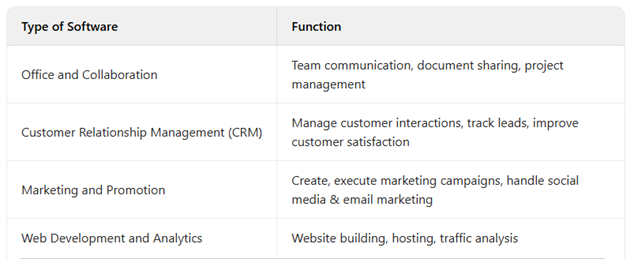
1. Office and Collaboration
Function: Enables team communication, document sharing, and project management.
Examples: Google Workspace (free for basic use), and Trello for task management.
2. Customer Relationship Management (CRM)
Function: Helps manage customer interactions, track leads, and improve customer satisfaction.
Examples: HubSpot CRM (free version available), and Zoho CRM (free for a limited number of users).
3. Marketing and Promotion
Function: Assists in creating and executing marketing campaigns, social media management, and email marketing.
Examples: Mailchimp (free for small lists), and Canva for graphic design.
4. Web Development and Analytics
Function: Facilitates website building, hosting, and analyzing website traffic.
Examples: Pixso, Google Analytics.
10 Software Tools for Your Startup
1. Pixso

Powerful Design Tools: Pixso offers a wide range of design features, including vector editing, which allows for the creation of high-quality graphics scalable to any size. Its pen tool is precise, enabling designers to create intricate shapes and illustrations. It is a free software option for design-focused startups.
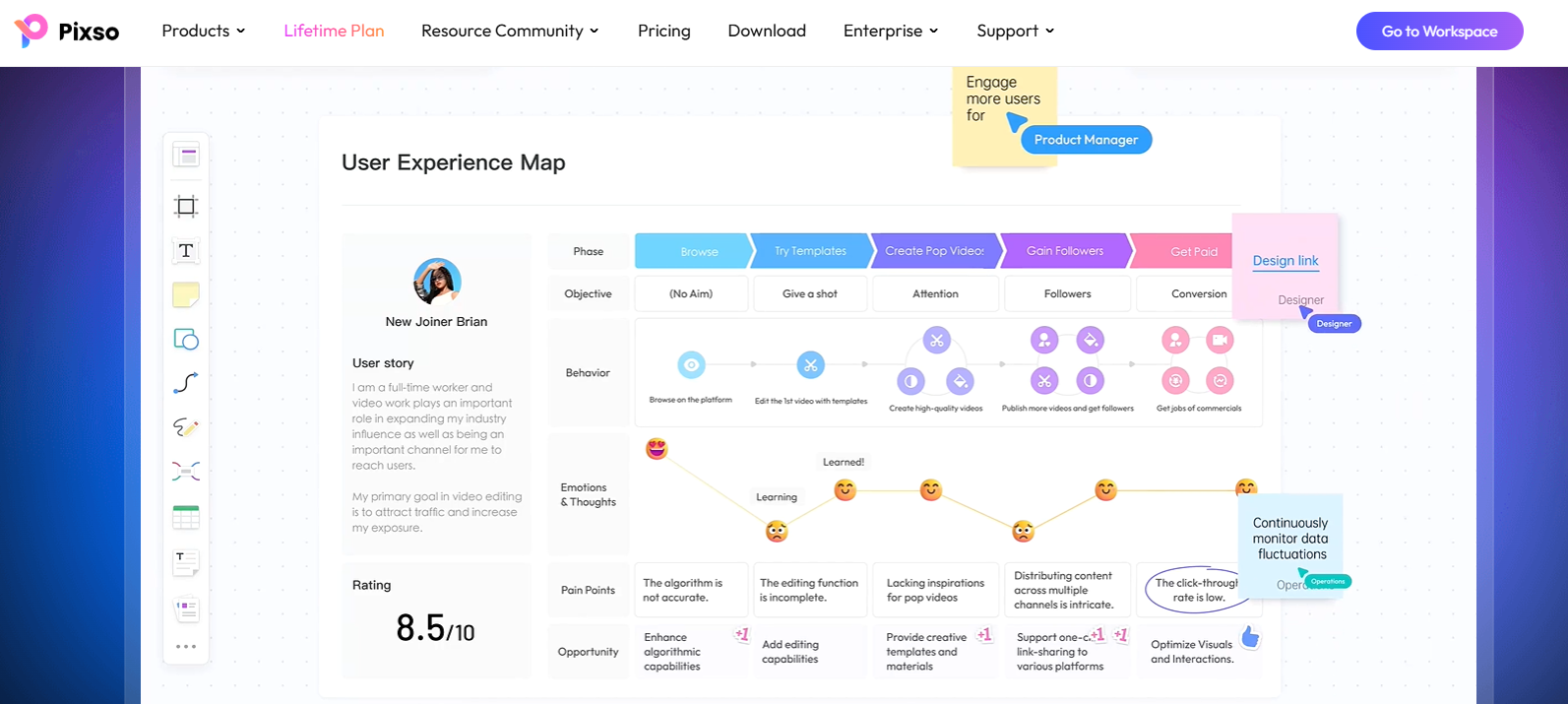
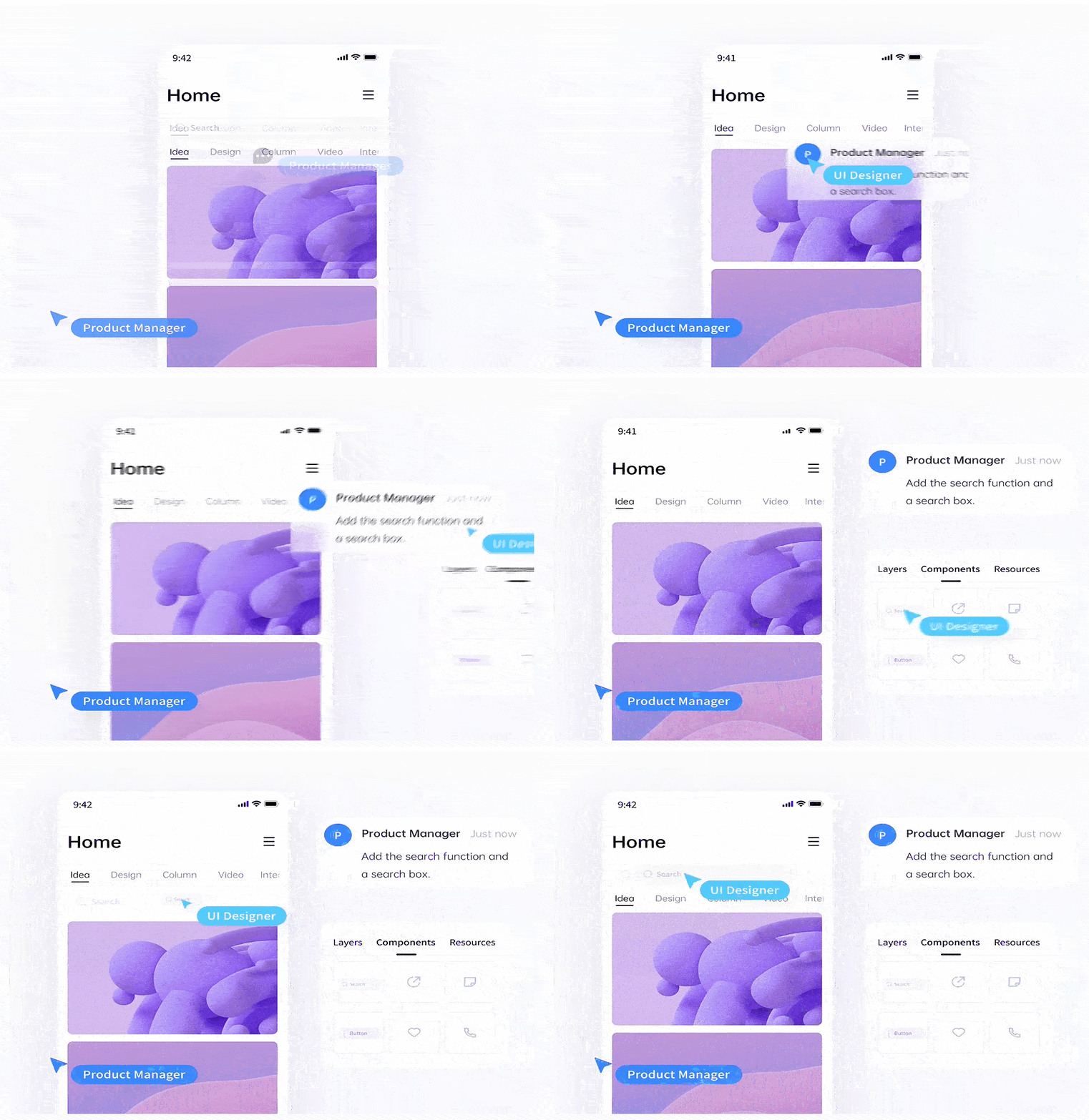
Collaborative Workspace: Multiple team members can work on a design project simultaneously. Real-time collaboration features let everyone see the changes made by others, streamlining the design process. This makes it one of the tools that startups use for design collaboration.
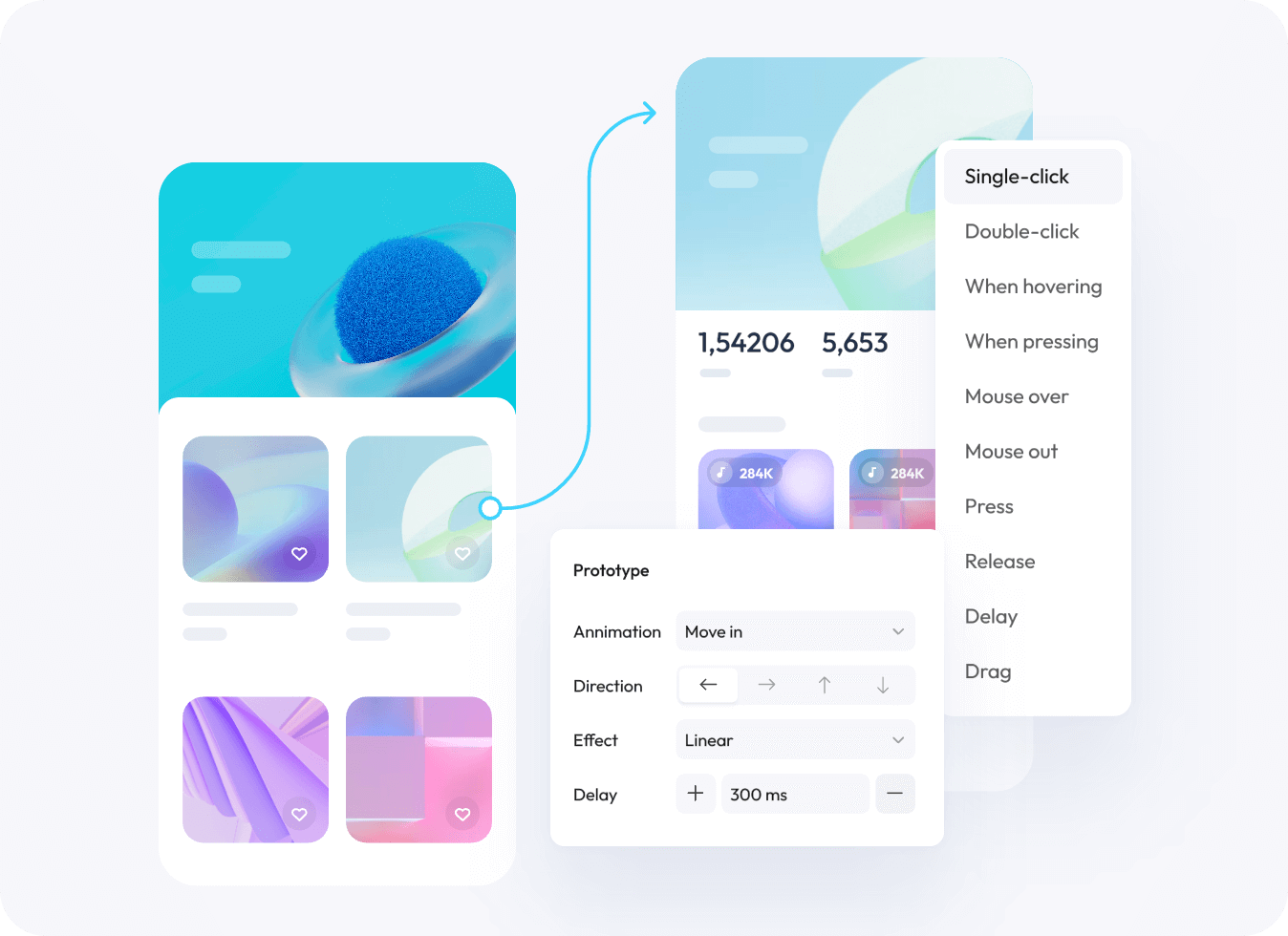
Prototype Creation: Pixso enables the creation of interactive prototypes. You can add transitions, animations, and hotspots to your designs, allowing stakeholders to experience the user flow of a product before development. It's a must-have for startups looking to build innovative products.
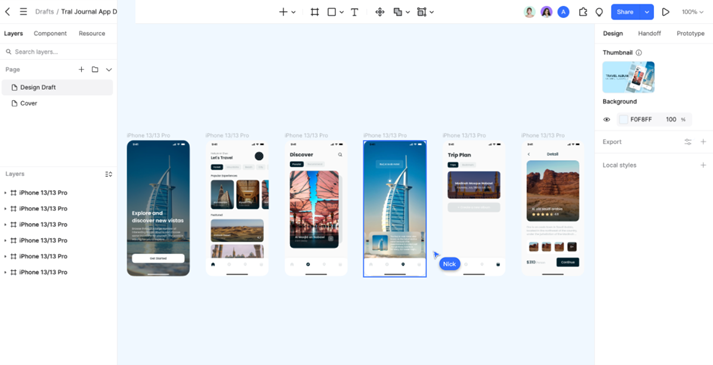
Asset Management: It has a built-in asset management system. Designers can store and organize all their design assets, such as icons, colors, and typography styles, in one place for easy access. Some famous start-up platforms often recommend Pixso to startups in need of design software.
2. Google Workspace (Free Version)
Email and Calendar: Provides professional Gmail accounts and a shared calendar, essential for communication and scheduling. It's a staple in the realm of startup software for office communication.
Docs, Sheets, and Slides: These cloud-based office tools allow for real-time collaboration on documents, spreadsheets, and presentations.
3. Trello
Task Management: Use boards, lists, and cards to organize tasks. It's easy to visualize project progress and assign tasks to team members. Trello is a popular choice among software that startups use for task management.
Deadline Tracking: Set due dates for tasks, and Trello will send reminders, ensuring projects stay on schedule.
4. HubSpot CRM

Contact Management: Store and organize all your customer contacts in one place. This is a key feature of the free CRM software.
Sales Pipeline Tracking: Visualize the sales process, from lead generation to conversion, and identify areas for improvement.
5. Mailchimp (Free Version)
Email Campaign Creation: Design and send professional-looking email newsletters with customizable templates. It offers free software for email marketing.
Basic Analytics: Track open rates, click-through rates, and subscriber growth.
6. Canva
Graphic Design for All: With a user-friendly interface, Canva allows non-designers to create stunning graphics for social media, marketing materials, and more. It's a go-to for startups needing graphic design software.
Large Library of Templates: Choose from a vast collection of templates for various design needs.
7. WordPress.com (Free Plan)
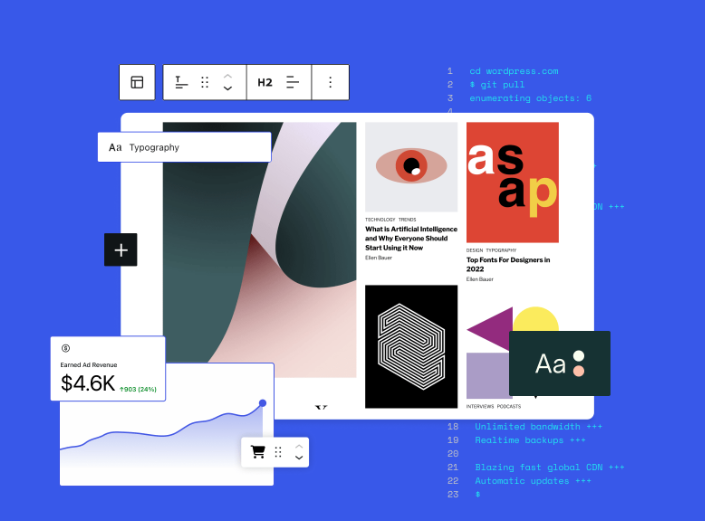
Easy Website Building: Build a professional-looking website with a drag-and-drop interface and customizable themes. This free software is an option for startups that want to establish an online presence.
Blogging Features: Ideal for startups that want to establish a content-based presence.
8. Google Analytics
Traffic Analysis: Understand where your website visitors are coming from, how long they stay, and which pages they visit. It is one of the web analytics tools used by startups.
User Behavior Tracking: Analyze user behavior on your website, such as bounce rates and conversion rates.
9. Slack (Free Version)
Team Communication: Create channels for different projects or topics, and share files, messages, and updates in real time. It is a popular free software choice for team communication.
Integration with Other Tools: Connect Slack with other applications, such as Trello and Google Drive.
10. GIMP
Image Editing: A free alternative to Photoshop, GIMP offers a wide range of image editing features, including photo retouching, image composition, and graphic design. It's a great option for startups with image-editing needs.
Final Thoughts
Free software has become a valuable resource for startups. It offers a cost-effective way to access essential tools across various business functions. By leveraging these free software solutions, startups can focus on their core competencies, innovate, and grow. Some famous start-up platforms even organize webinars and workshops to help startups better utilize this software. However, it is important to understand the limitations of free software, such as limited features or potential data security risks. As your startup evolves, you may need to consider upgrading to paid versions or exploring more advanced software. In the early stages, these free tools can help you turn a business idea into a functioning company. Pixso, for example, offers design and collaboration features for startups.