Scott
From wireframing and writing PRD documents to UI design and UX validation, product design involves a significant amount of repetitive manual work. In the past, product managers and designers spent countless hours executing these tasks by hand. Today, increasingly sophisticated AI product design tools are fundamentally transforming creative workflows. Beyond generating prototypes and user interfaces, leveraging AI for product design assists with requirement planning, user flow mapping, and usability optimization. Here are 14 of the best AI product design tools to help you find the perfect assistant for your design workflow.
1. Pixso
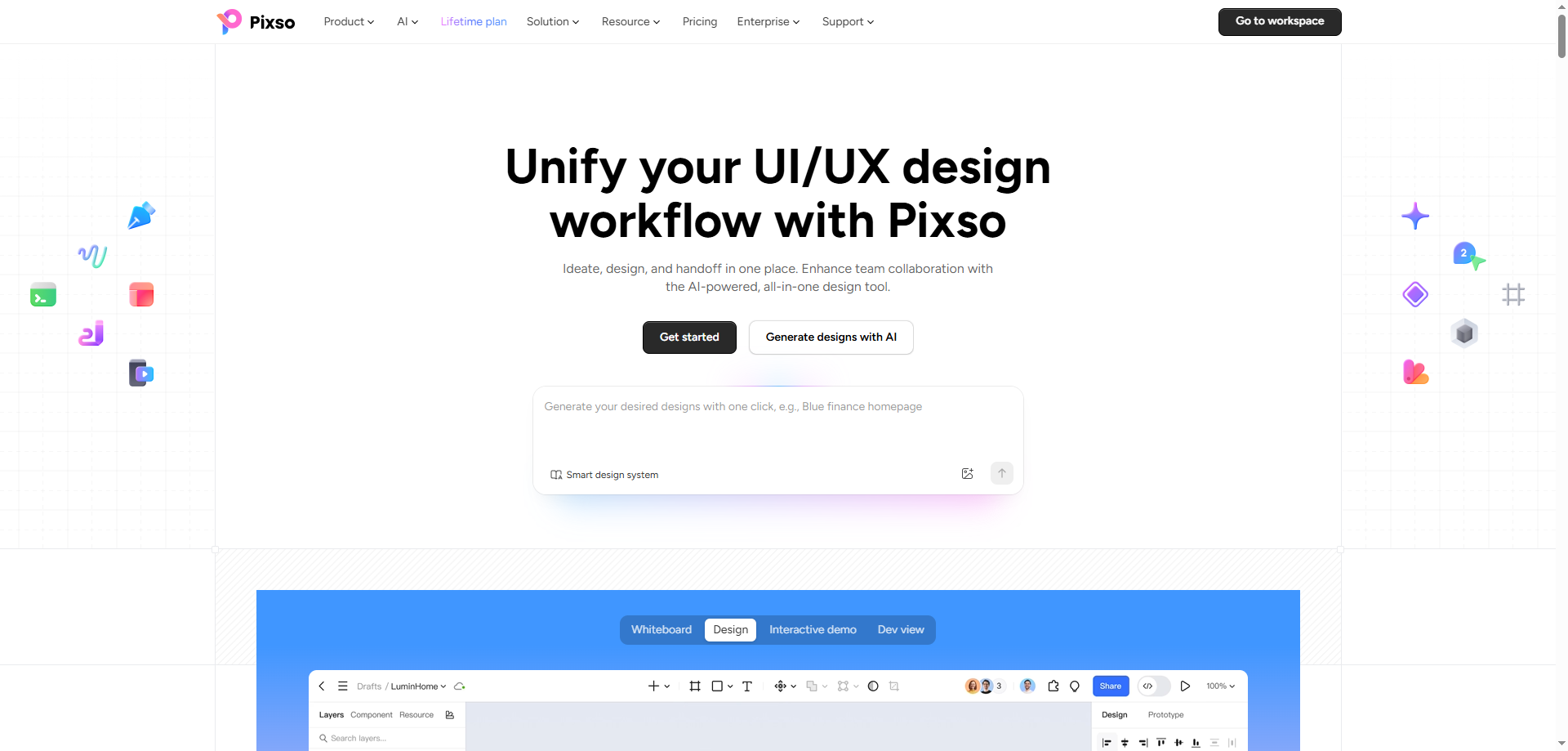
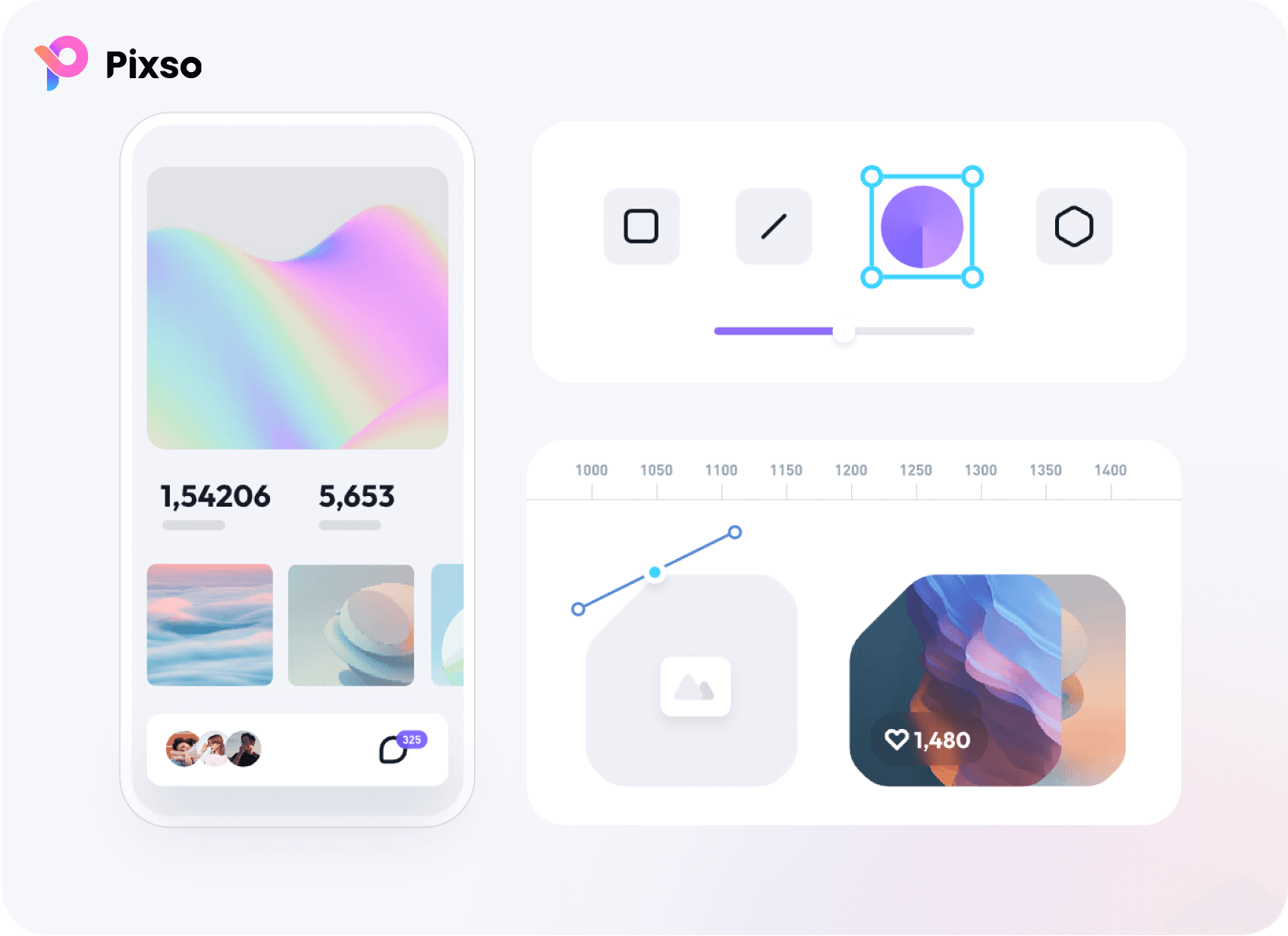
As a collaborative platform favored by designers and product managers worldwide, Pixso takes a practical approach to AI product design. In addition to real time multi-user collaboration, Pixso features powerful AI capabilities that eliminate repetitive manual labor across the design lifecycle.
1.1 Text to UI Generation
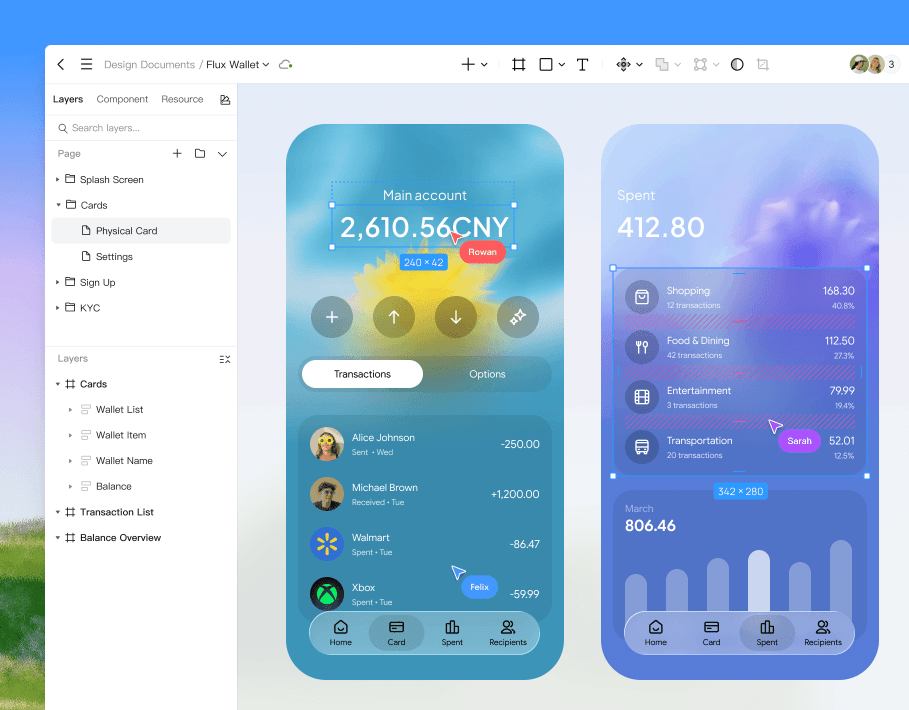
Pixso AI allows users to generate complete UI designs directly using natural language prompts. Simply input your product requirements, and the AI understands the underlying business logic to generate initial multi page UI layouts. These designs come with structured components, consistent visual styles, and complete layouts ready for review or further refinement, drastically reducing time to market.
1.2 Automatic Alignment with Design Systems
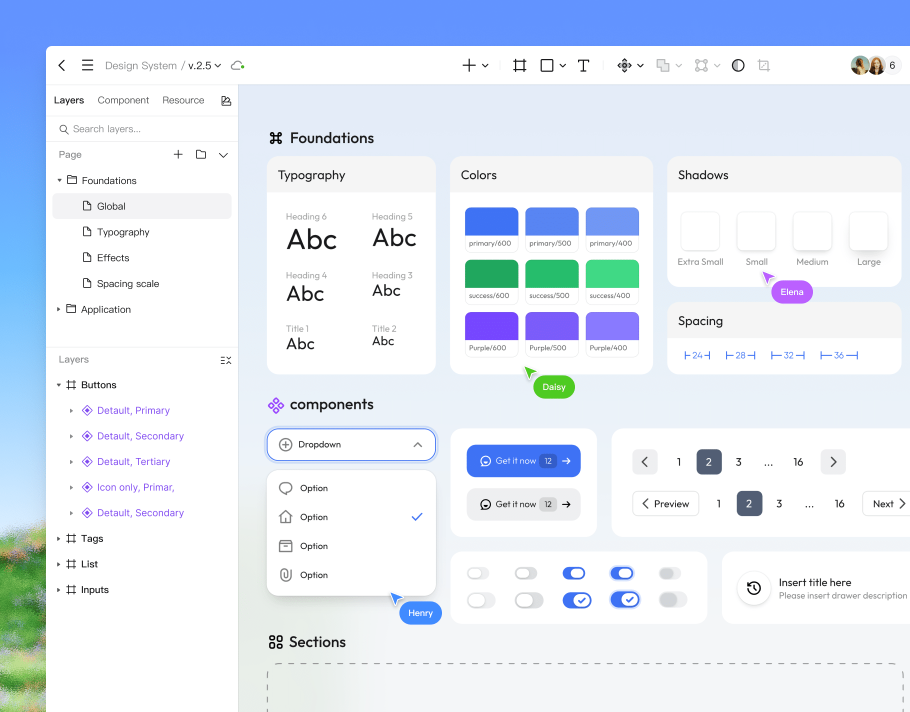
When generating interfaces, Pixso automatically matches existing design systems, including popular design systems (such as Ant Design, Material UI, and TDesign) as well as custom team component libraries. The AI applies corresponding components, colors, and typography rules, making results production ready and cutting down rework costs.
1.3 Context Aware Local Editing and Iteration
Pixso AI goes beyond initial generation by supporting continuous canvas editing. Designers can use natural language commands to modify specific areas, adjust layout structures, expand modules, or add new pages. The AI restructures elements based on existing design context rather than creating a completely detached concept, making design iteration seamless.
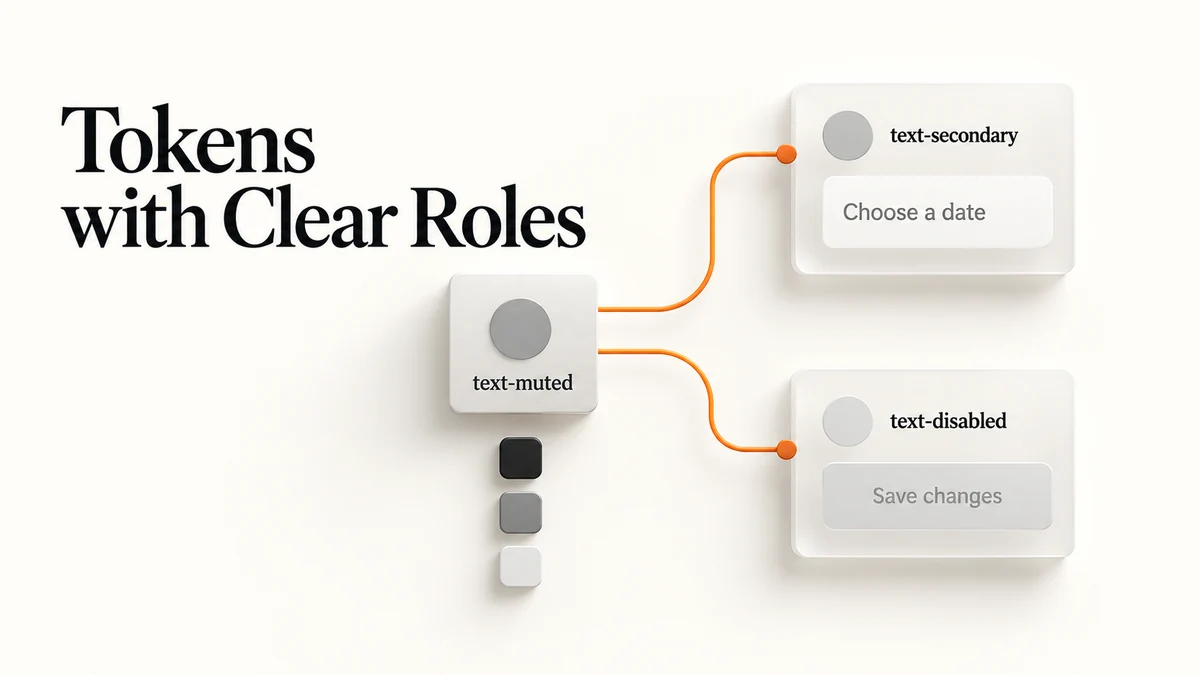
1.4 Automatic Design Tokens and Dark Mode Support
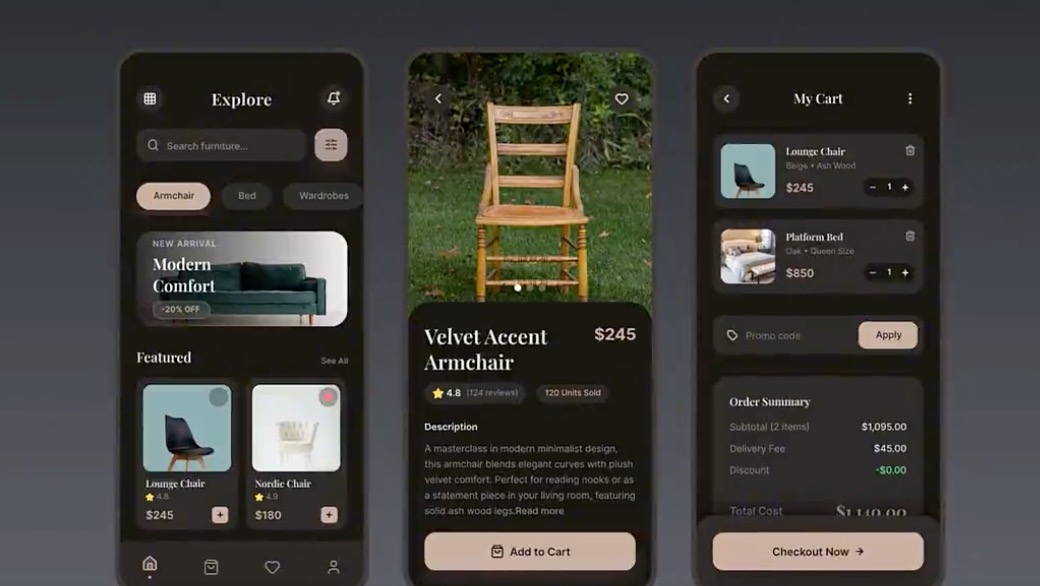
At the design system level, Pixso automatically detects UI colors and styles to generate structured design tokens. These design tokens automatically bind to components, enabling one-click toggles between light and dark modes across all interfaces without manual adjustments.
1.5 Multi Device Responsive Adaptation
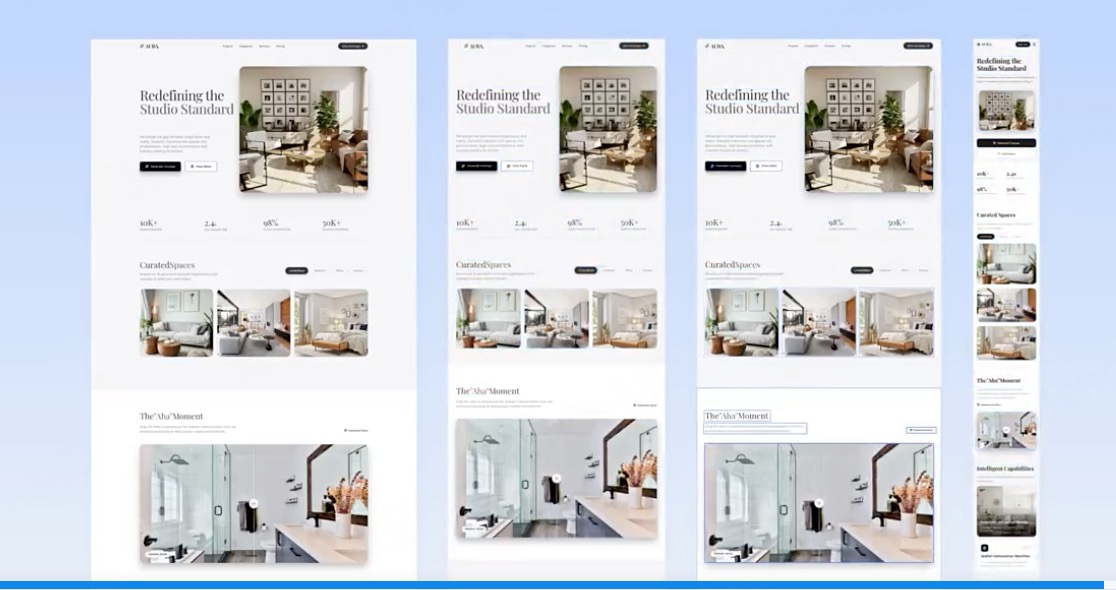
Pixso enables single-frame designs to automatically adapt to multiple screen sizes. The AI rearranges layout structures based on native device interaction patterns, such as maintaining multi-column layouts on desktop, auto converting to stacked navigation on mobile, and adapting smoothly for tablets.
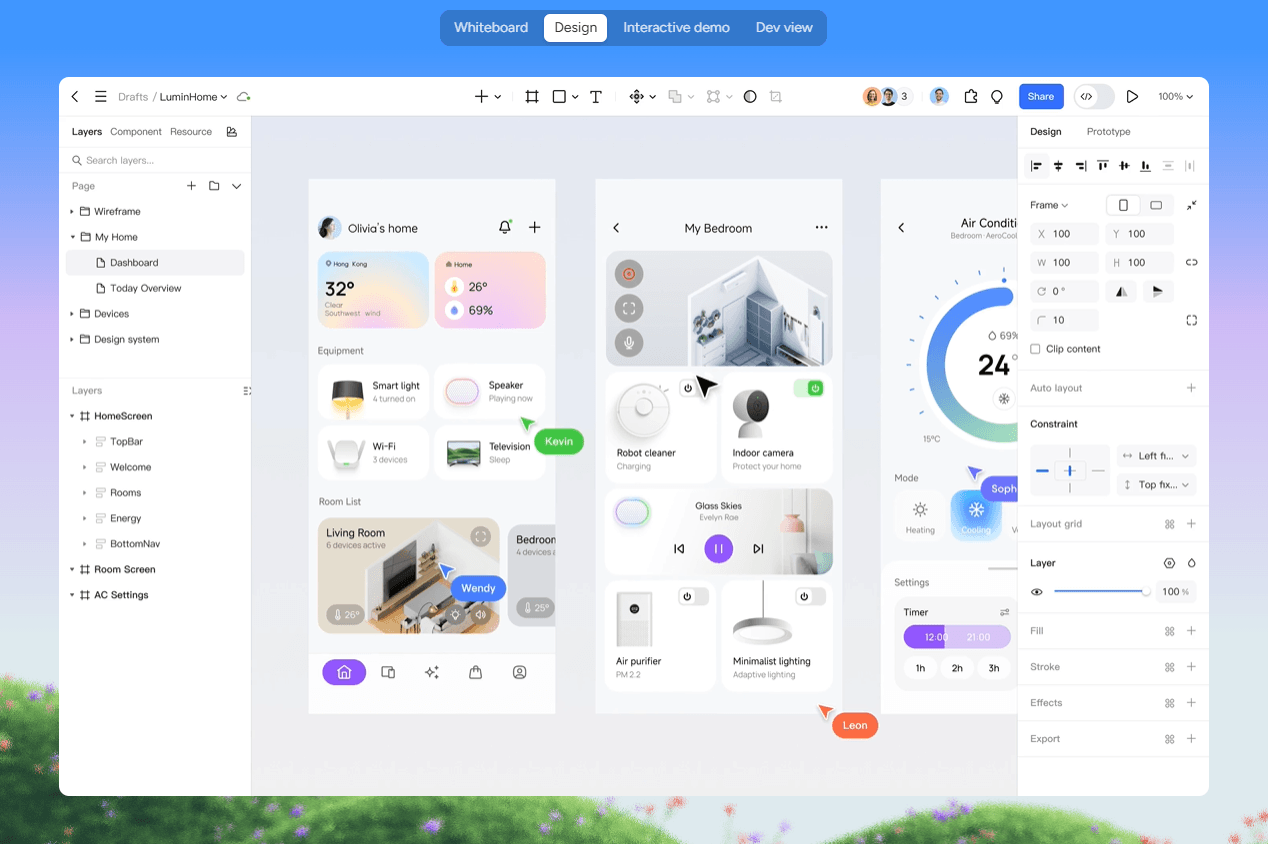
Pixso's intelligent design capability is an end to end suite embedded across the product design process. From requirement input and UI generation to selective editing, responsive adaptation, and system maintenance, Pixso helps teams streamline design operations. Sign up for free today to experience Pixso firsthand!
2. Mockitt AI
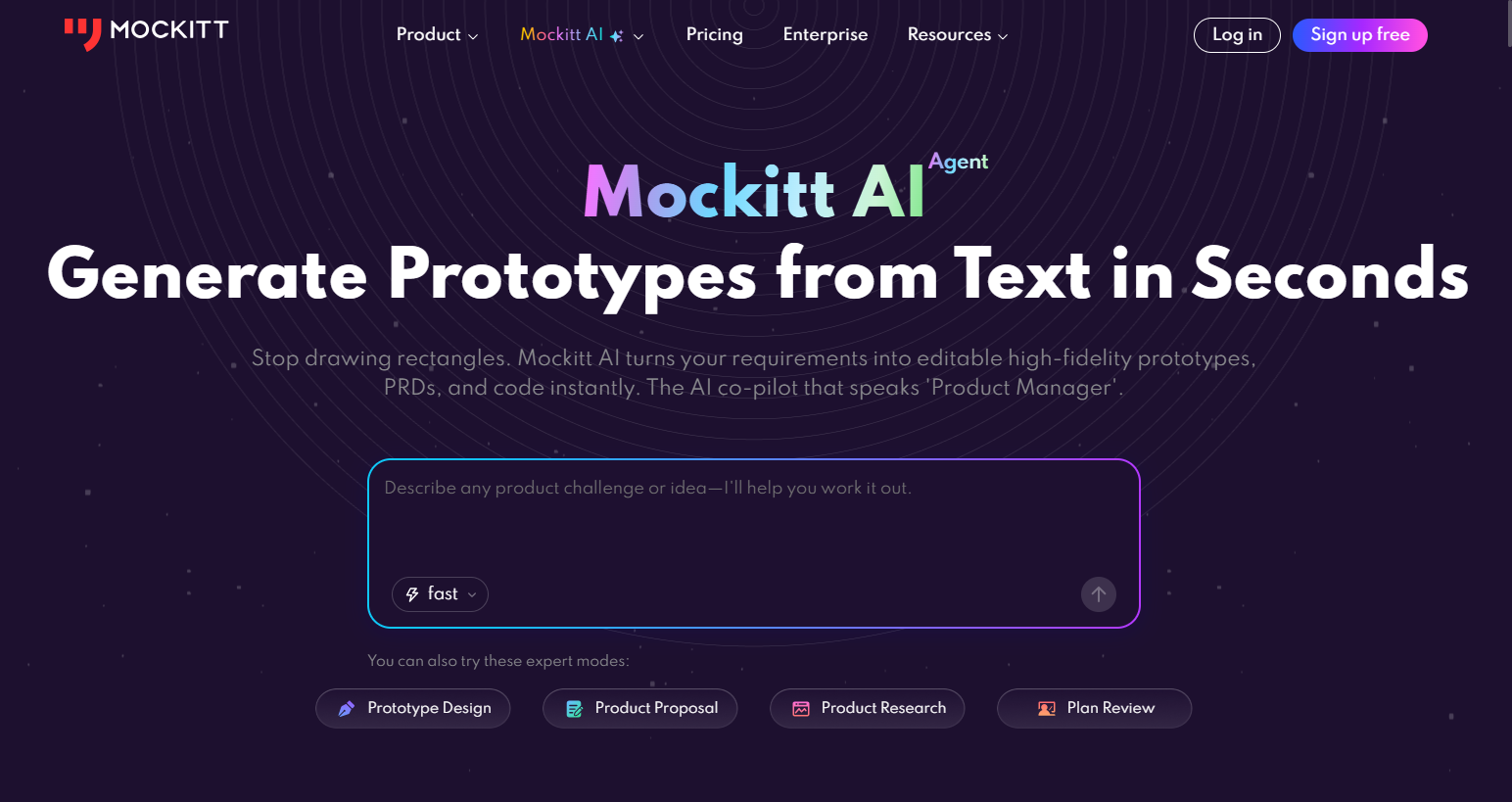
Mockitt AI is a smart prototyping platform built to streamline product design and development workflows. It enables teams to generate editable high-fidelity prototypes from simple text prompts while simultaneously outputting standardized PRD documentation complete with feature breakdowns and logic flowcharts. During requirement and design review stages, Mockitt AI assists teams in evaluating interaction logic and identifying usability issues early. Furthermore, Mockitt AI converts design drafts into production ready code across frameworks like React, Vue, and HTML, bridging product concepts directly to frontend development and turning static mockups into actionable engineering assets.
3. Paico
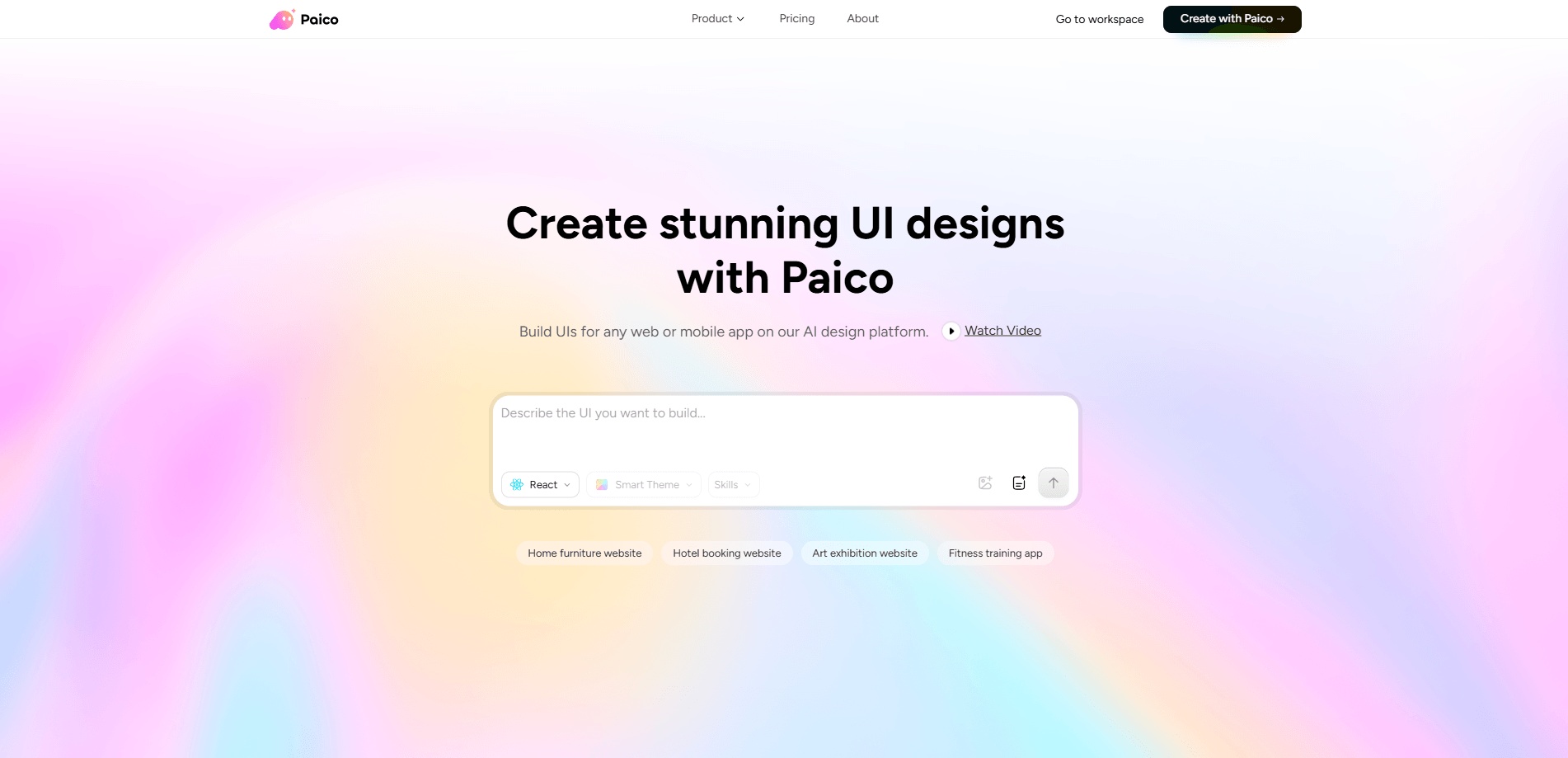
Paico is an AI-powered design platform built to transform natural language and multimodal prompts into high-fidelity visual layouts. Supporting multi model selection such as Claude, Paico seamlessly generates interactive prototypes, presentations, and website designs. With React and HTML dual stack code generation, smart theme switching, and full layer property preservation, Paico integrates effortlessly with Pixso and team design systems.
4. Figma
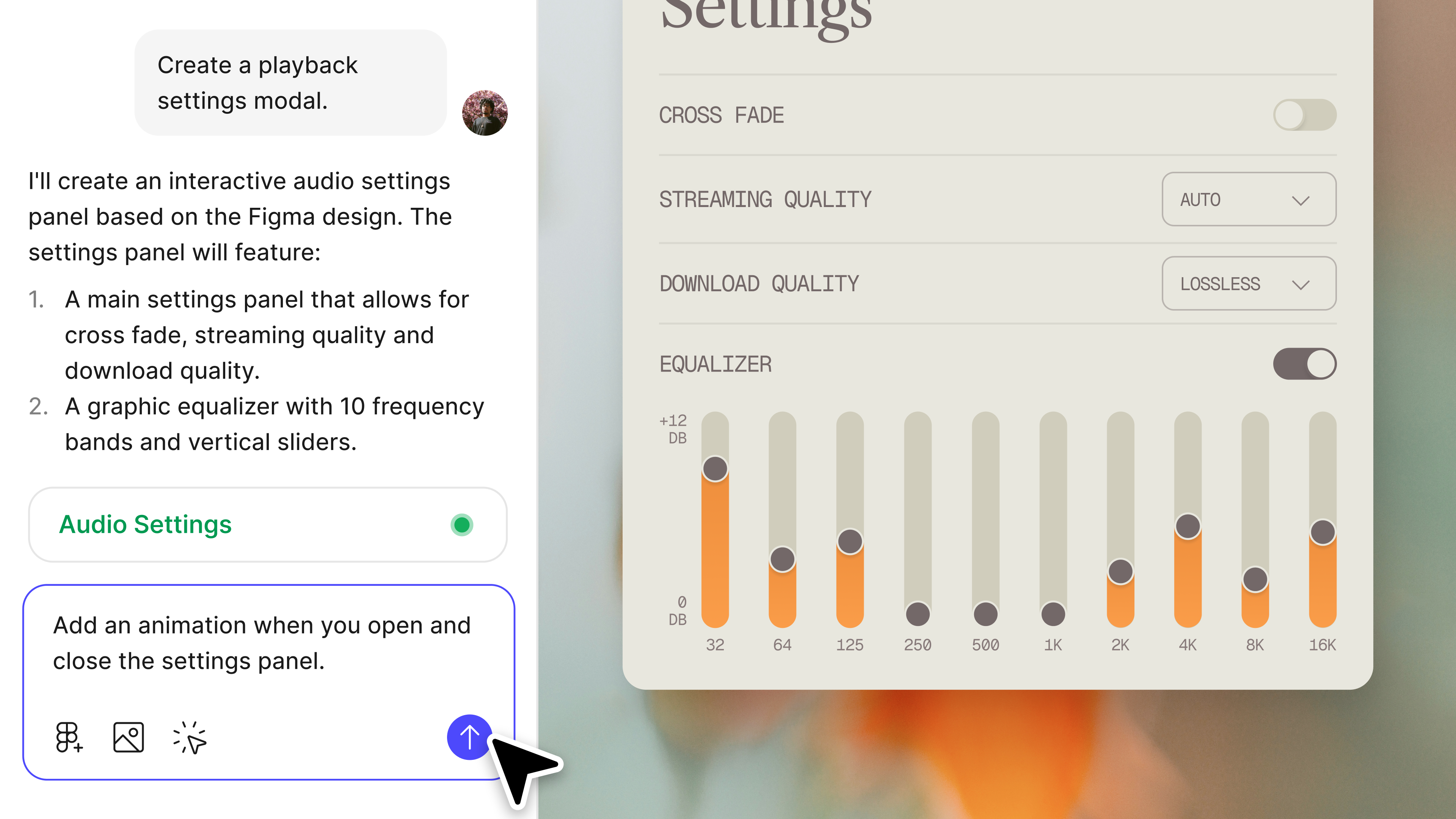
As one of the world's premier collaborative product design tools, Figma continues to expand its AI capabilities, highlighted by Figma Make. This feature allows users to generate interactive web and mobile interfaces using simple text prompts. Beyond AI generation, Figma offers robust multi user editing, component management, and developer handoff capabilities, making it one of the best AI for product design options available to modern product teams.
5. Framer AI
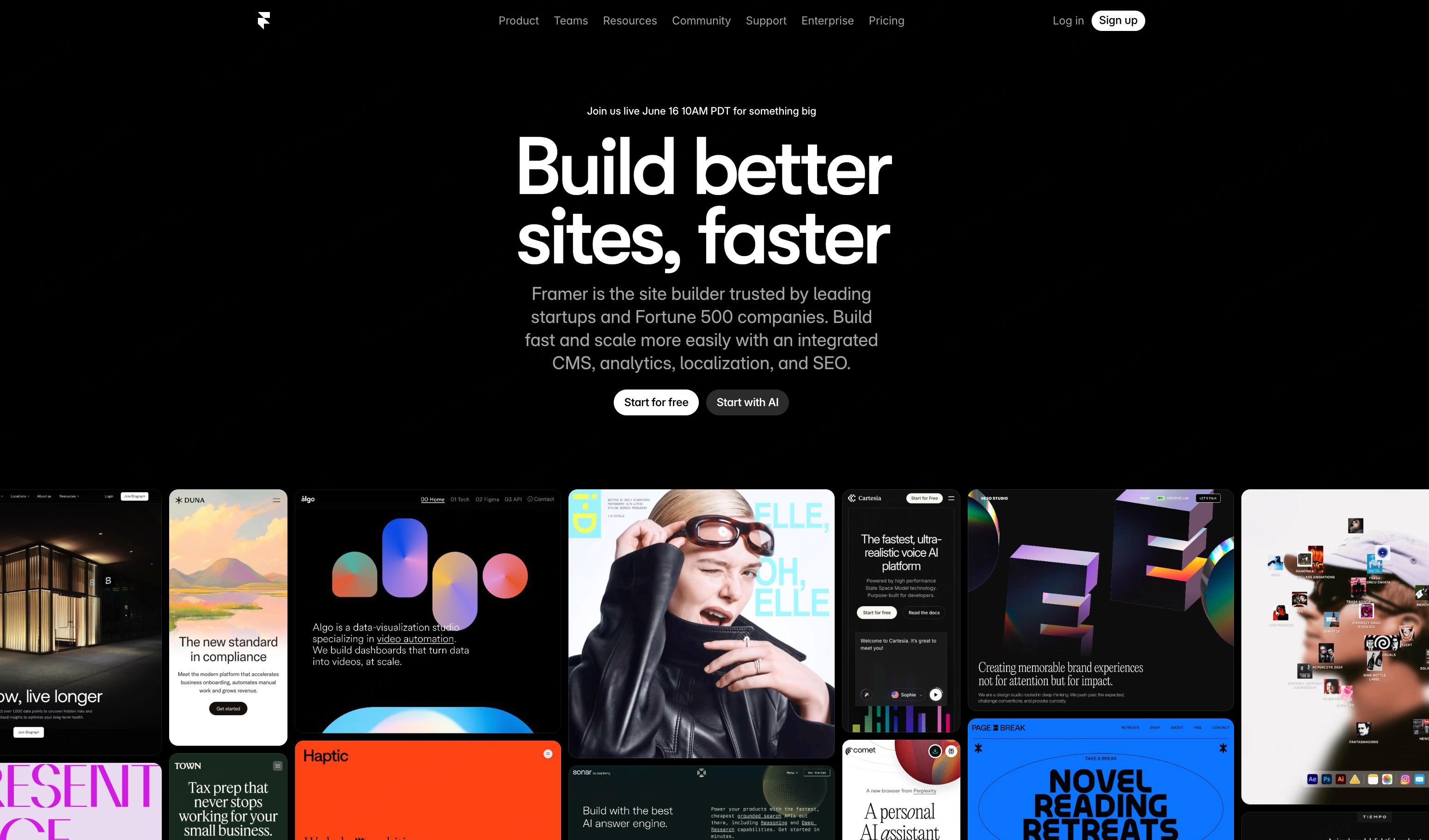
If you need to transform ideas into high fidelity responsive web pages rapidly, Framer AI is an excellent choice. By entering descriptive prompts, Framer AI builds visually stunning website interfaces complete with animations, page transitions, and interactive components that can be published online instantly.
6. Galileo AI
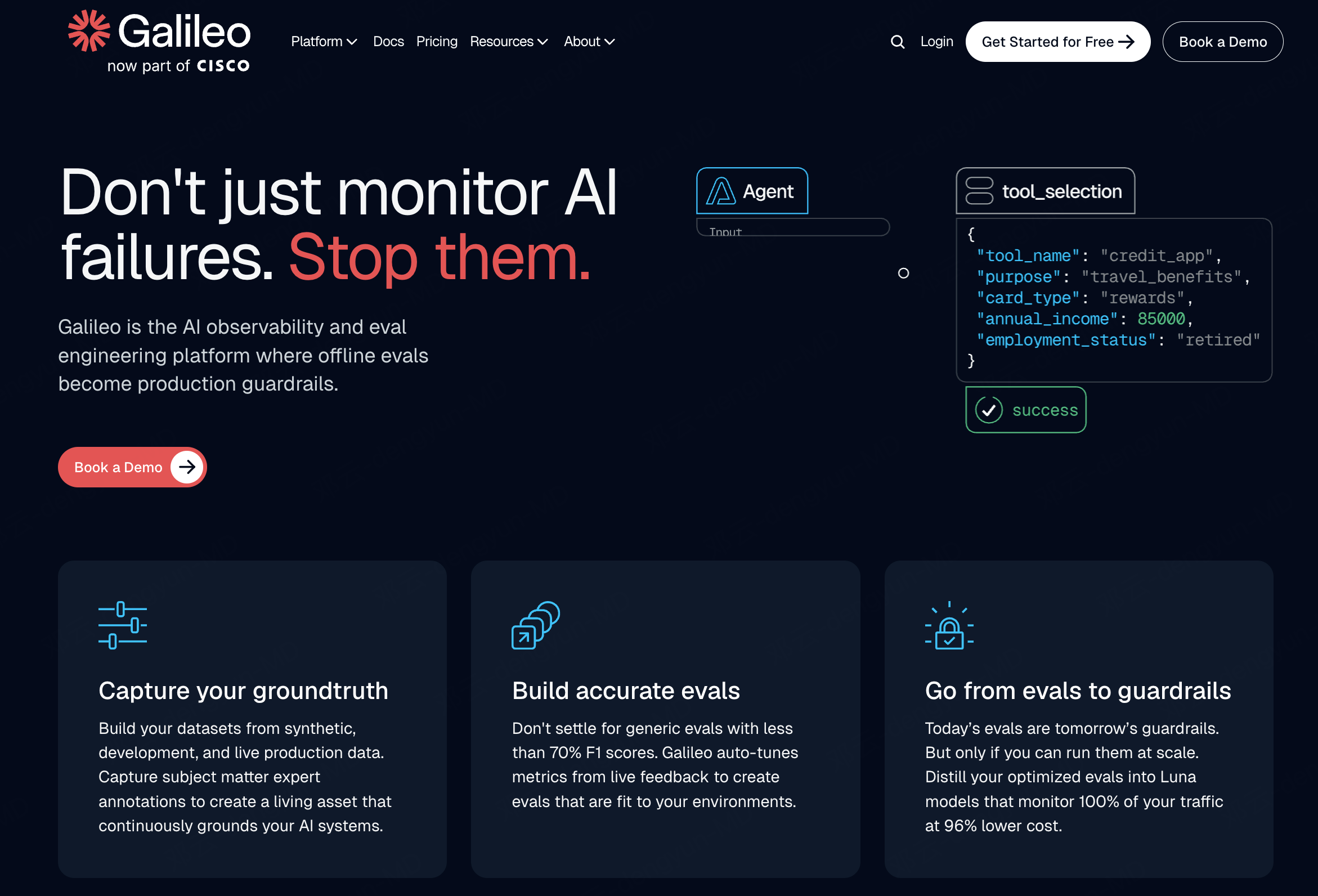
Galileo AI was introduced as a text-to-UI design tool. Powered by large language models, it translates complex text prompts into clean, structurally sound user interfaces. Generated layouts retain editable layers and can be directly exported to primary design tools for fine tuning.
7. Uizard
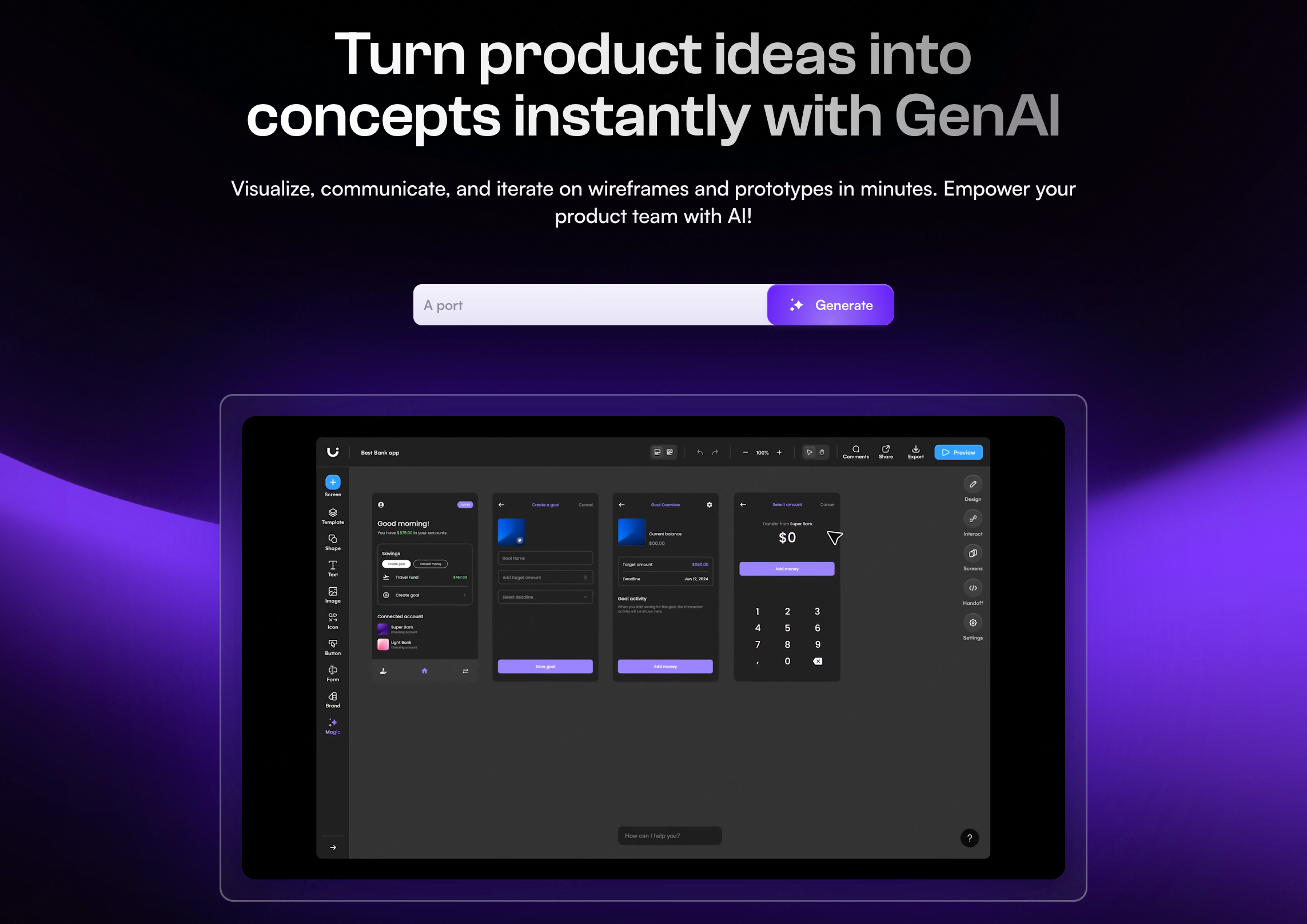
Uizard simplifies prototyping for non designers, product managers, and founders. Users can upload hand drawn wireframe sketches, and the AI automatically converts them into digital, interactive prototypes. It is ideal for rapid early stage feature validation.
8. Attention Insight
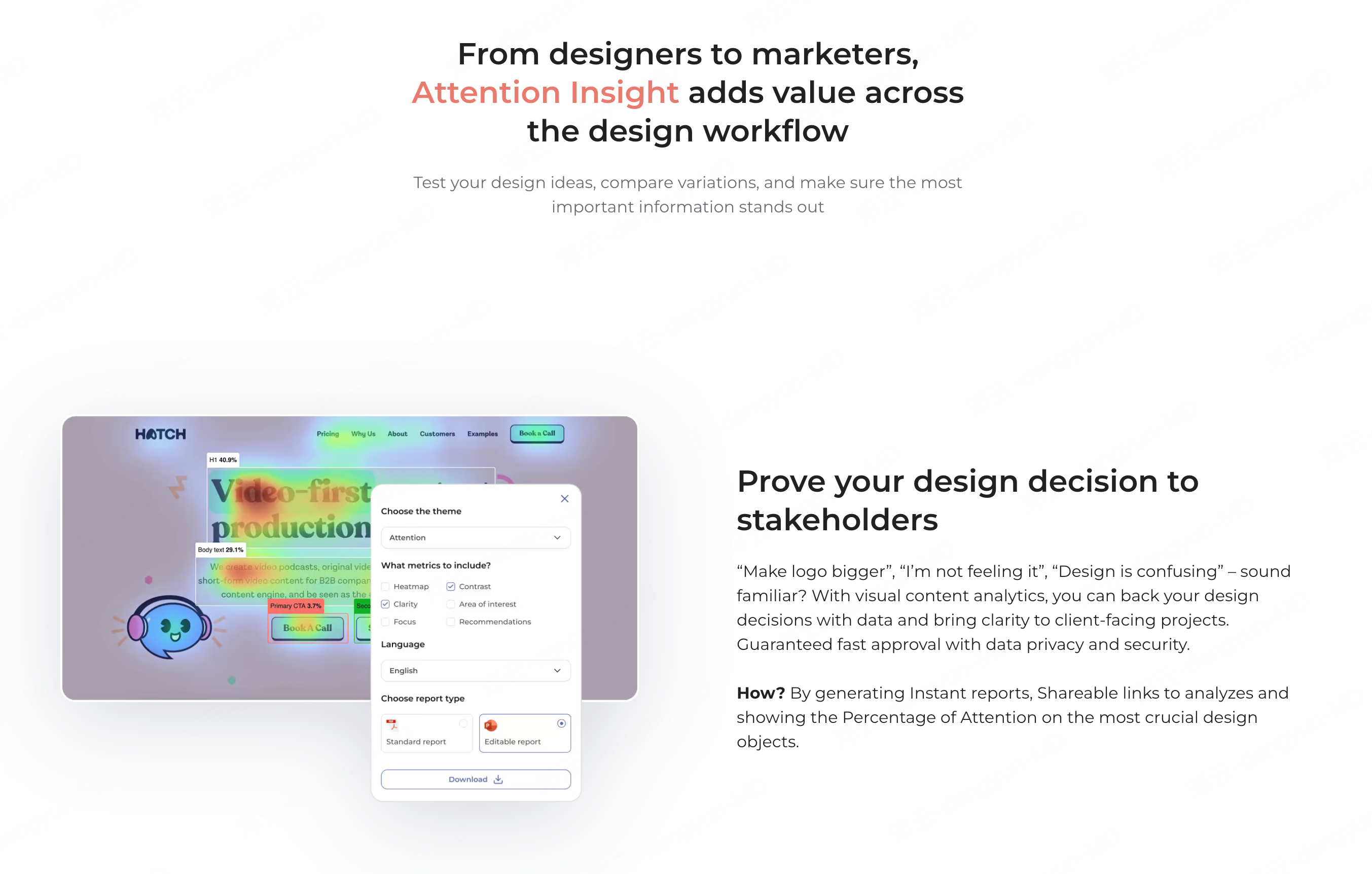
Attention Insight is an AI tool focused on UX testing and visual analytics. Using predictive algorithms, it simulates real user visual attention and generates attention heatmaps over your UI designs. This enables product teams to optimize call to action buttons and layout hierarchy before conducting live user testing.
9. Midjourney
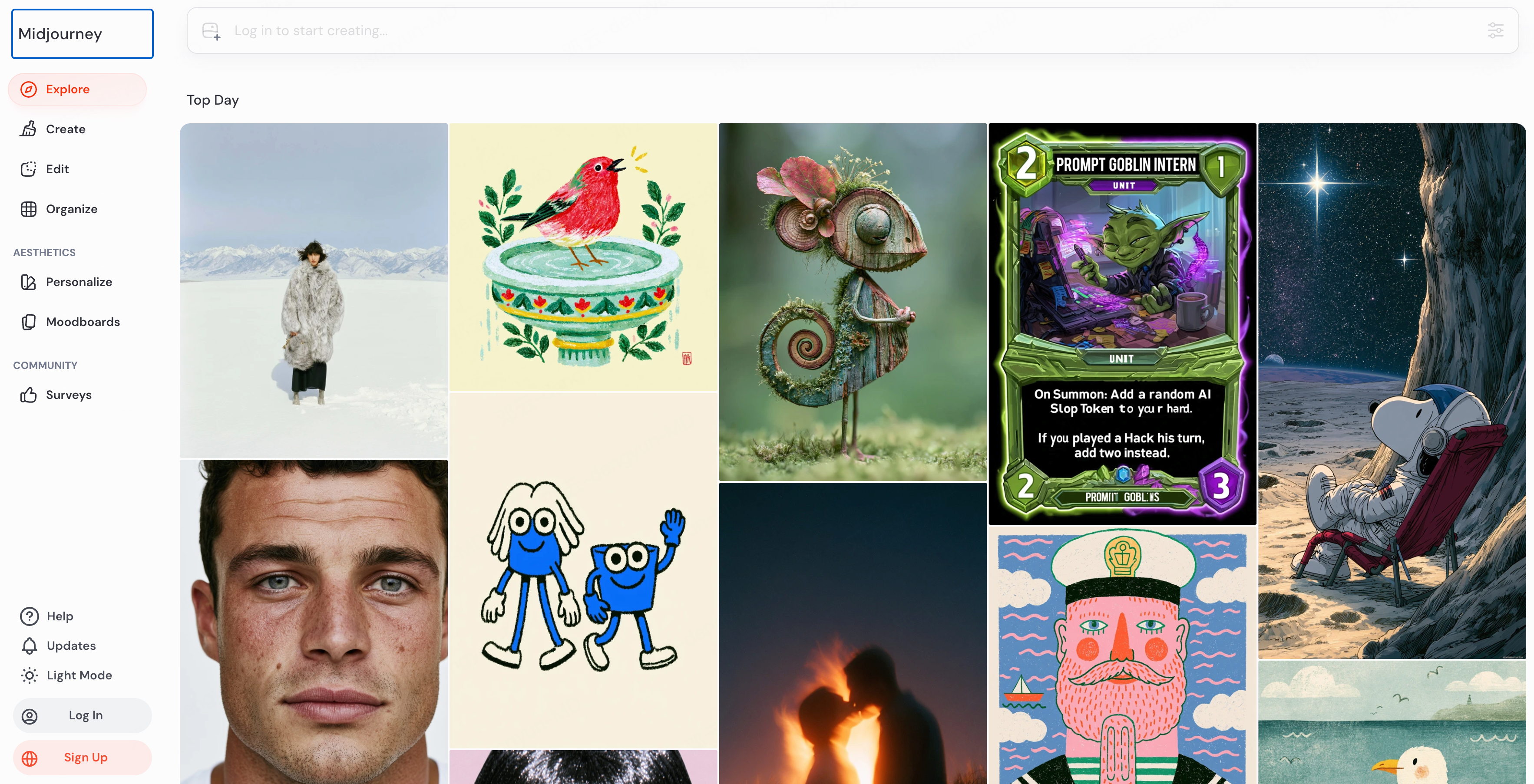
While primarily an AI image generator, Midjourney is widely used during early stage product design to brainstorm UI themes, icon concepts, and custom vector illustrations. With tailored prompts, designers can generate unique visual inspiration in minutes.
10. Relume
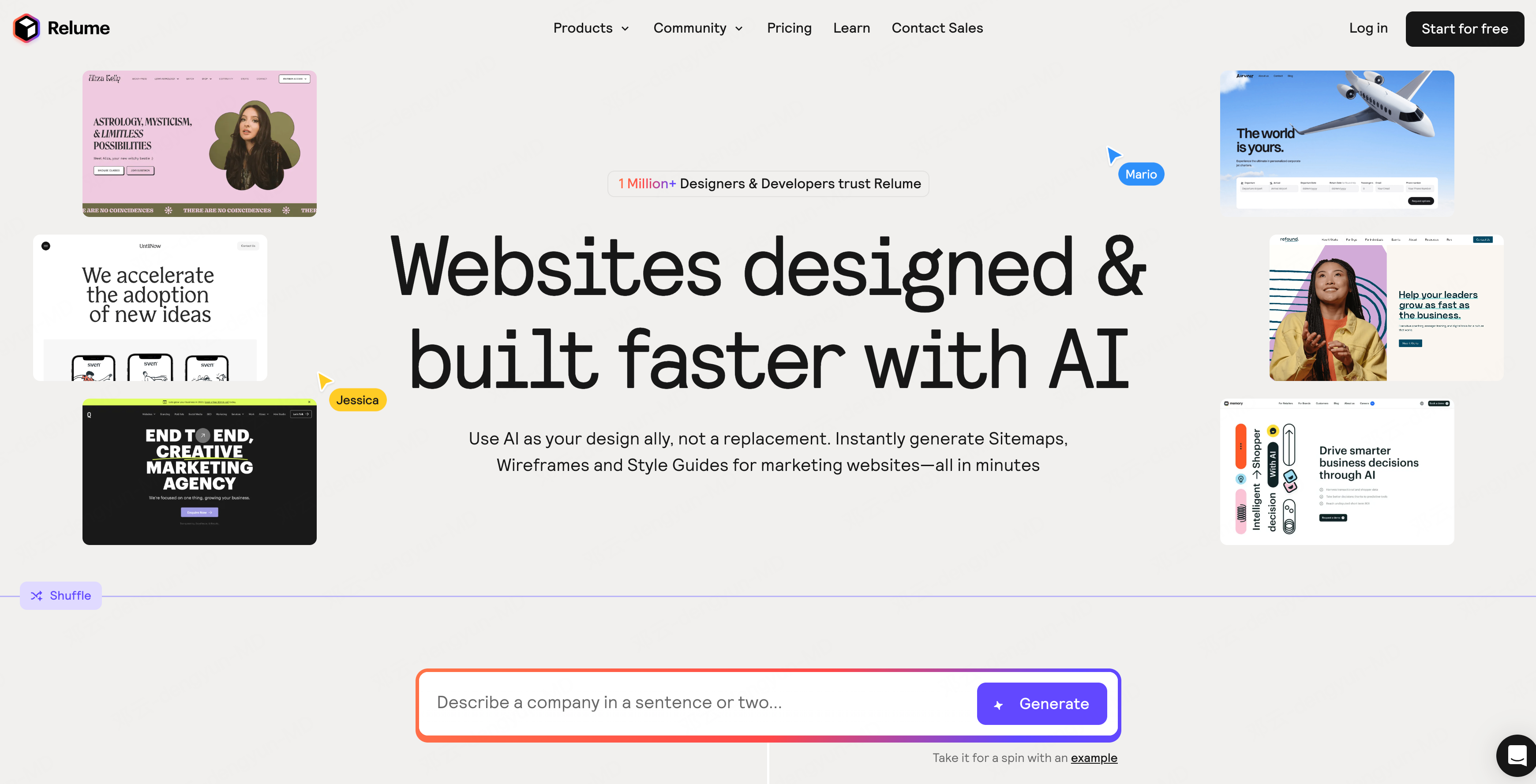
Relume specializes in AI driven sitemap and wireframe generation. It helps product managers and UX designers map out site architecture and information hierarchy before writing code, making it ideal for complex enterprise websites and SaaS platforms.
11. Khroma
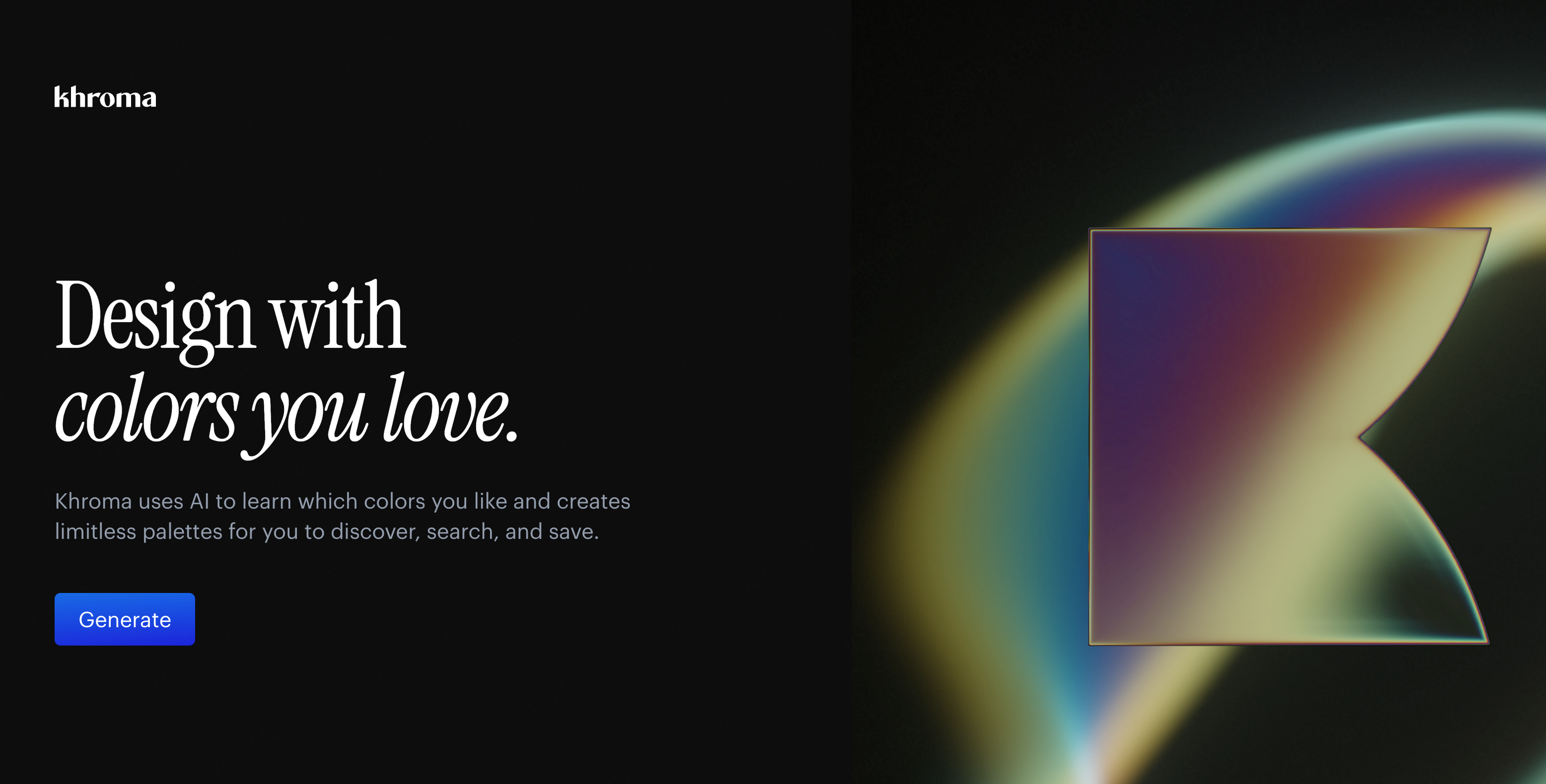
Color selection is often a challenging aspect of UI design. Khroma is an intelligent color palette generator that learns your visual preferences and calculates cohesive color schemes, accessible contrast ratios, and modern gradients tailored to your brand.
12. Whimsical
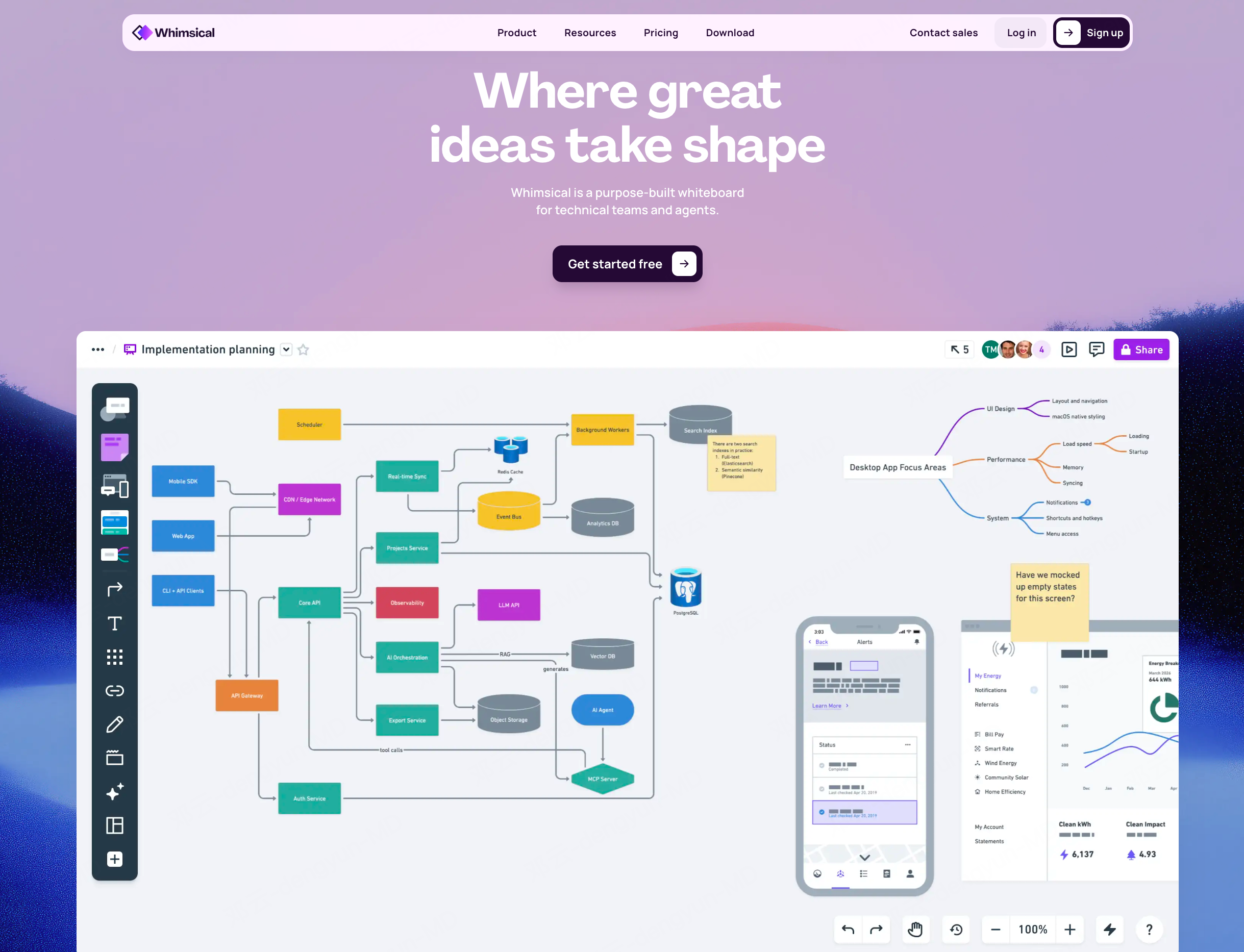
When organizing product requirements and system workflows, Whimsical AI leverages natural language processing to create structured mind maps and user flow diagrams. It helps product managers clarify complex backend logic with ease.
13. Maze
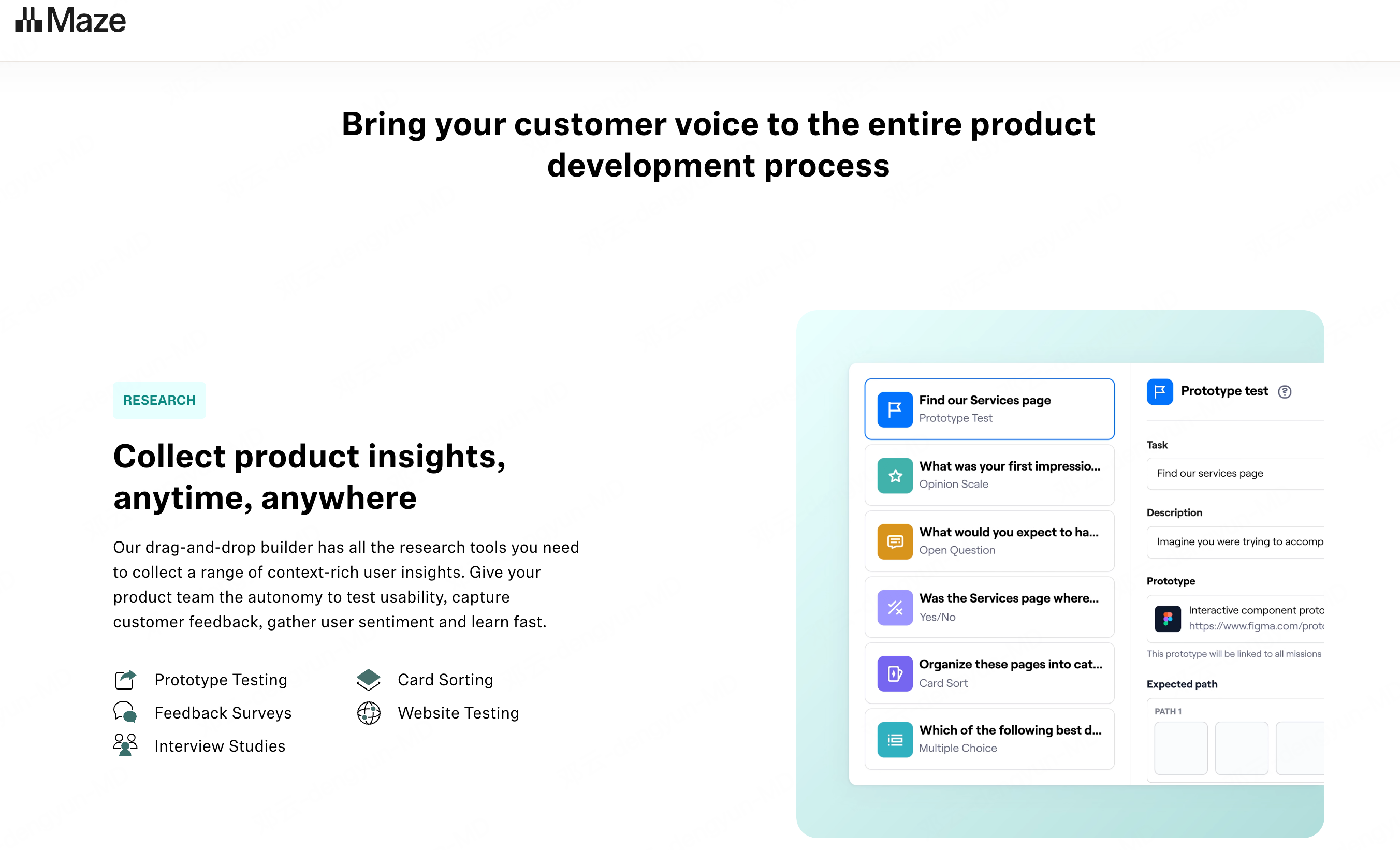
Maze is a user experience research platform powered by AI. It allows design teams to run automated usability tests on interactive prototypes, generating heatmaps, direct success rates, and user path analytics to refine interaction design before launch.
14. Fronty
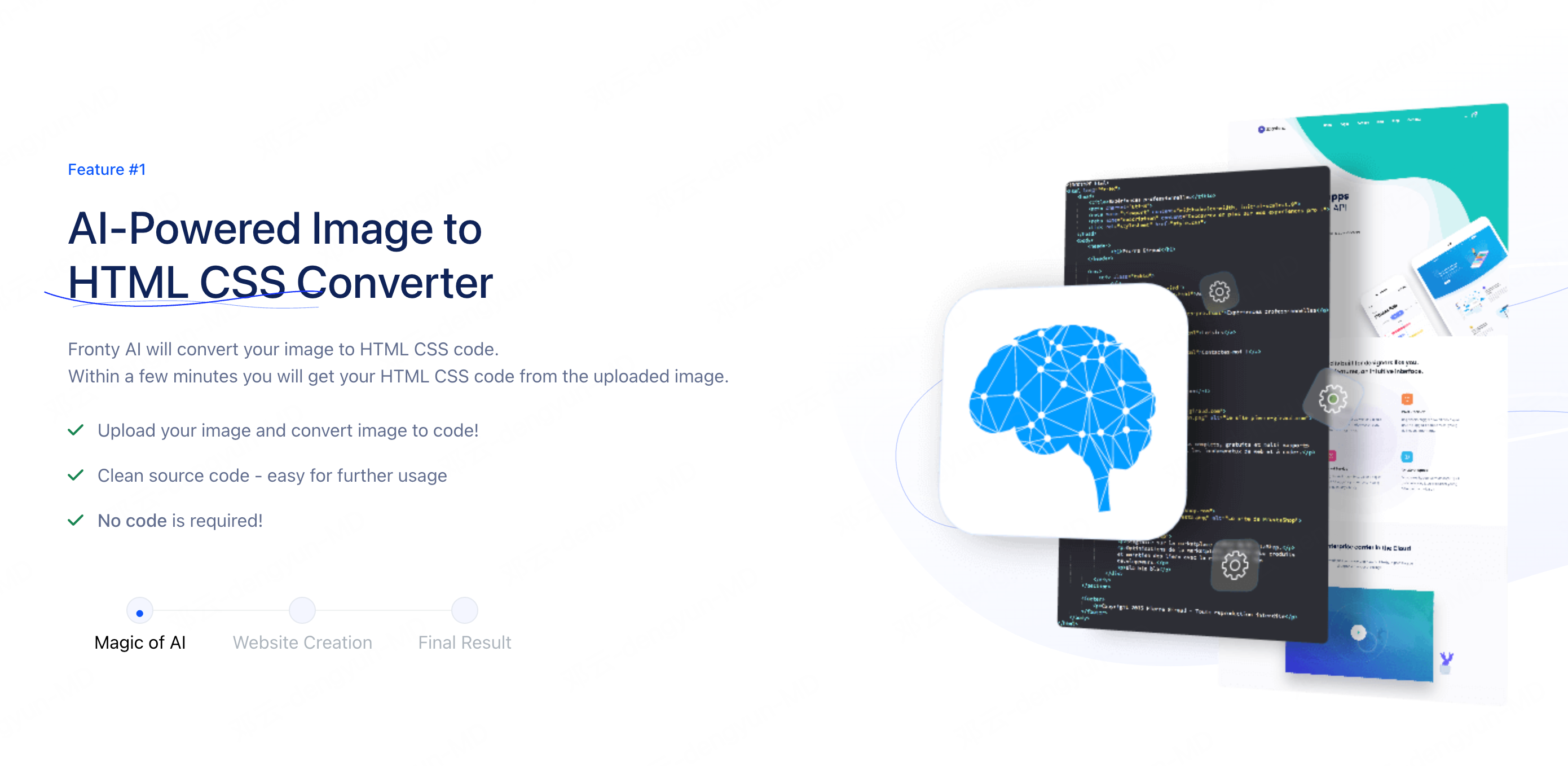
Fronty is an AI tool that automatically converts design mockups into clean frontend code. After you upload design files, Fronty generates semantic HTML and CSS, helping teams accelerate product iterations and developer handoff.
FAQ
Q1: Will AI product design tools replace professional UI/UX designers and product managers?
No, AI product design tools are built to augment human creativity rather than replace it. While AI excels at automating repetitive tasks, such as generating initial layouts, scaling dark modes, and drafting PRD outlines, it lacks human empathy, strategic intuition, and deep user research insights. Product managers and designers use AI for product design as an intelligent assistant, allowing them to shift focus from tedious pixel tweaking to high level product strategy and user experience innovation.
Q2: How do AI product design tools maintain consistency with established enterprise brand guidelines?
Modern product design tools integrate directly with design tokens and team component libraries. Rather than generating arbitrary styles, advanced AI platforms ingest existing design systems, typography scales, and color variables. This ensures that every AI generated screen automatically applies team specific UI components and brand rules, maintaining visual harmony across complex software ecosystems.
Q3: What data privacy and security factors should enterprise teams consider when using AI for product design?
When introducing AI product design tools into enterprise workflows, organizations should confirm that internal wireframes, business logic, and user data are not used to train public machine learning models. Industry standard platforms prioritize data governance through end-to-end encryption, SOC 2 compliance, strict data isolation, and private cloud deployment options to keep proprietary IP secure.
Q4: How does integrating AI into the product design workflow streamline developer handoff?
AI powered design workflows bridge the gap between design and engineering by outputting structured, production ready assets from the start. Instead of static visual mockups, modern AI product design platforms automatically generate semantic layer hierarchies, bound design variables, and clean frontend code snippets like React, HTML, and CSS. This reduces ambiguity during spec reviews, minimizes design debt, and accelerates sprint delivery.
Conclusion
Modern AI product design tools have evolved from novelty experiments into essential components of the product development lifecycle. If you want a comprehensive platform that seamlessly connects UI design, prototyping, brainstorming, and developer handoff, Pixso stands out as an exceptionally versatile solution. By automating tedious pixel tweaking and repetitive manual tasks, Pixso lets you focus on high impact product logic and user experience. Sign up for free today to explore Pixso and elevate your product design workflow!