Scott
To build digital products that truly resonate with audiences, product teams must develop a deep understanding of their users, market dynamics, and operational context. This is where design research plays a pivotal role. By uncovering user needs, mental models, and behavioral patterns, research empowers product designers to make confident, evidence backed choices rather than relying on guesswork.
To craft seamless experiences, design teams leverage specialized software across various phases of discovery and testing. In this guide, we explore five practical design research tools that streamline your discovery workflow and help your team make informed design decisions.
Choose a research tool by the decision it must support, not by the number of templates it lists. A UX design collaboration workspace is useful when evidence needs to stay connected to a journey map, a design hypothesis, and the prototype state that will test it.
- Capture: can the team store verbatim notes, screenshots, and source links without losing provenance?
- Synthesise: can observations be grouped by user task and confidence instead of by whoever posted them?
- Act: can a finding be linked to one proposed interface change and reviewed with the people who will build it?
1. Pixso Whiteboard
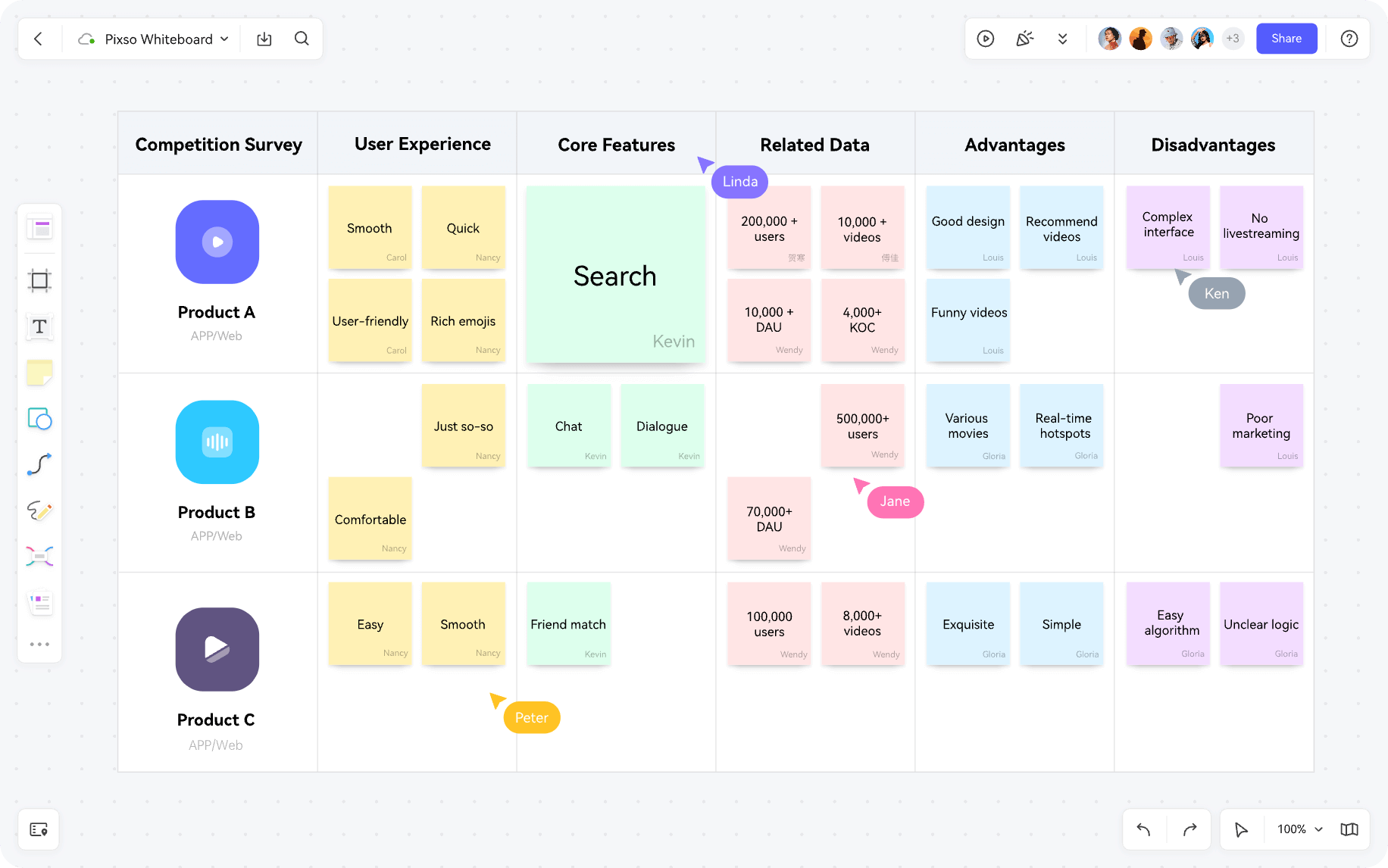
Pixso Whiteboard is a collaborative online whiteboard tool built to support discovery, design thinking, and collaborative ideation. While it excels as an ideation space, its extensive toolset makes it an exceptional hub for conducting and synthesizing design research.
Here is how Pixso Whiteboard elevates the research process for modern product teams:
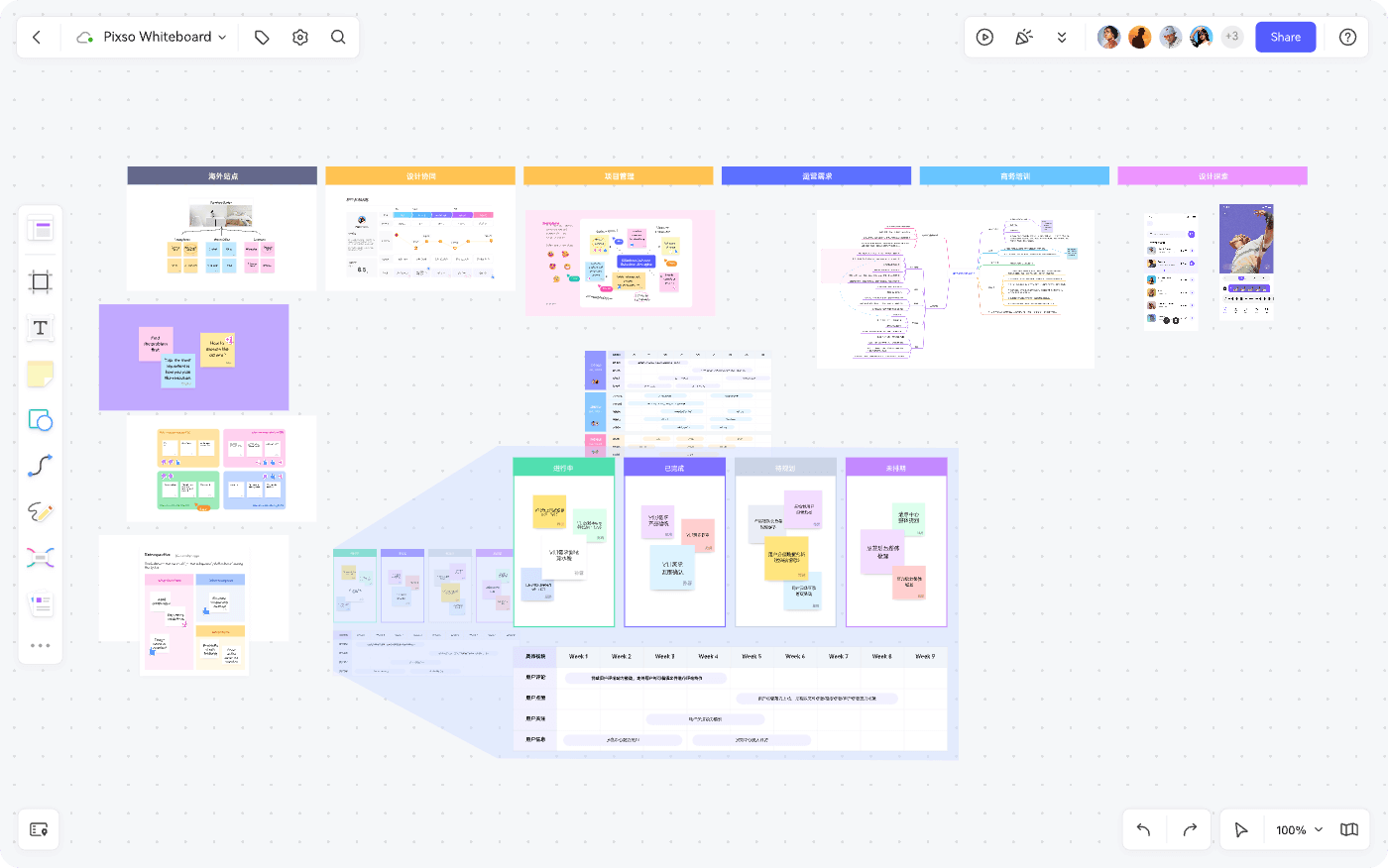
- Brainstorming and Concept Sharing: Pixso Whiteboard provides an infinite digital canvas where team members can sketch concepts, drop sticky notes, and organize reference visuals. During early discovery, teams can use it alongside other online brainstorming tools to capture raw thoughts, map user pain points, and explore potential solutions in real time.
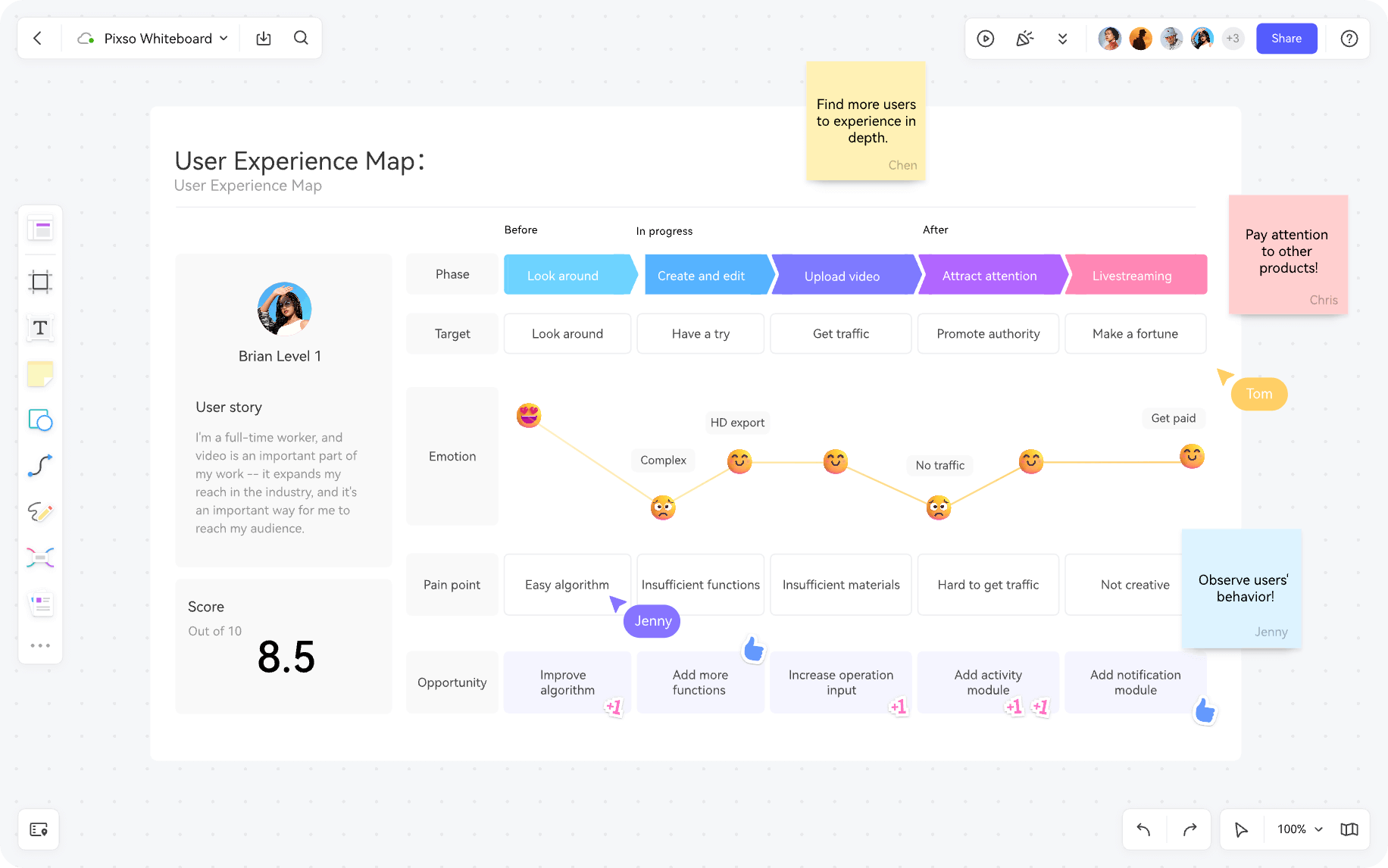
- User Journeys and Information Architecture: With intuitive diagramming and flow tools, Pixso Whiteboard allows researchers to map out complete customer journeys and complex information architecture. You can easily plot user touchpoints, emotional highs and lows, and navigation structures to visualize the overall product experience.
- Real Time Collaboration and Feedback: Built in live commenting and communication capabilities let stakeholders and designers exchange instant feedback directly on the canvas. Gathering cross functional input during research synthesis ensures everyone remains aligned on user goals.
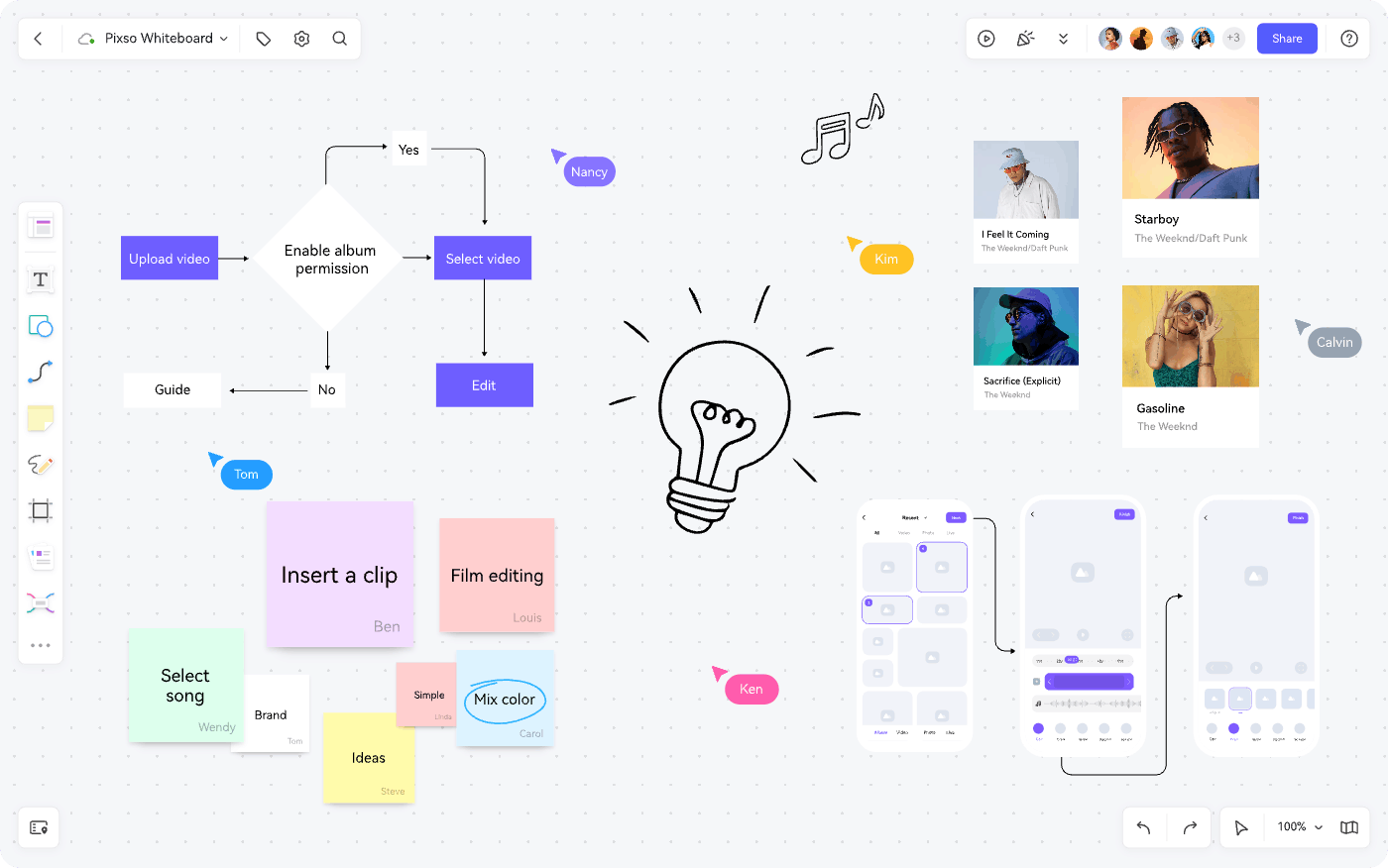
- Visual Research Synthesis: Pixso Whiteboard turns unstructured research data into clear, visual stories. Teams can organize findings into empathy maps, affinity diagrams, and visual summaries, making it simple to present actionable insights to product managers and executives.
👉 Try Pixso Whiteboard for free to streamline your collaborative design research.
2. UserTesting
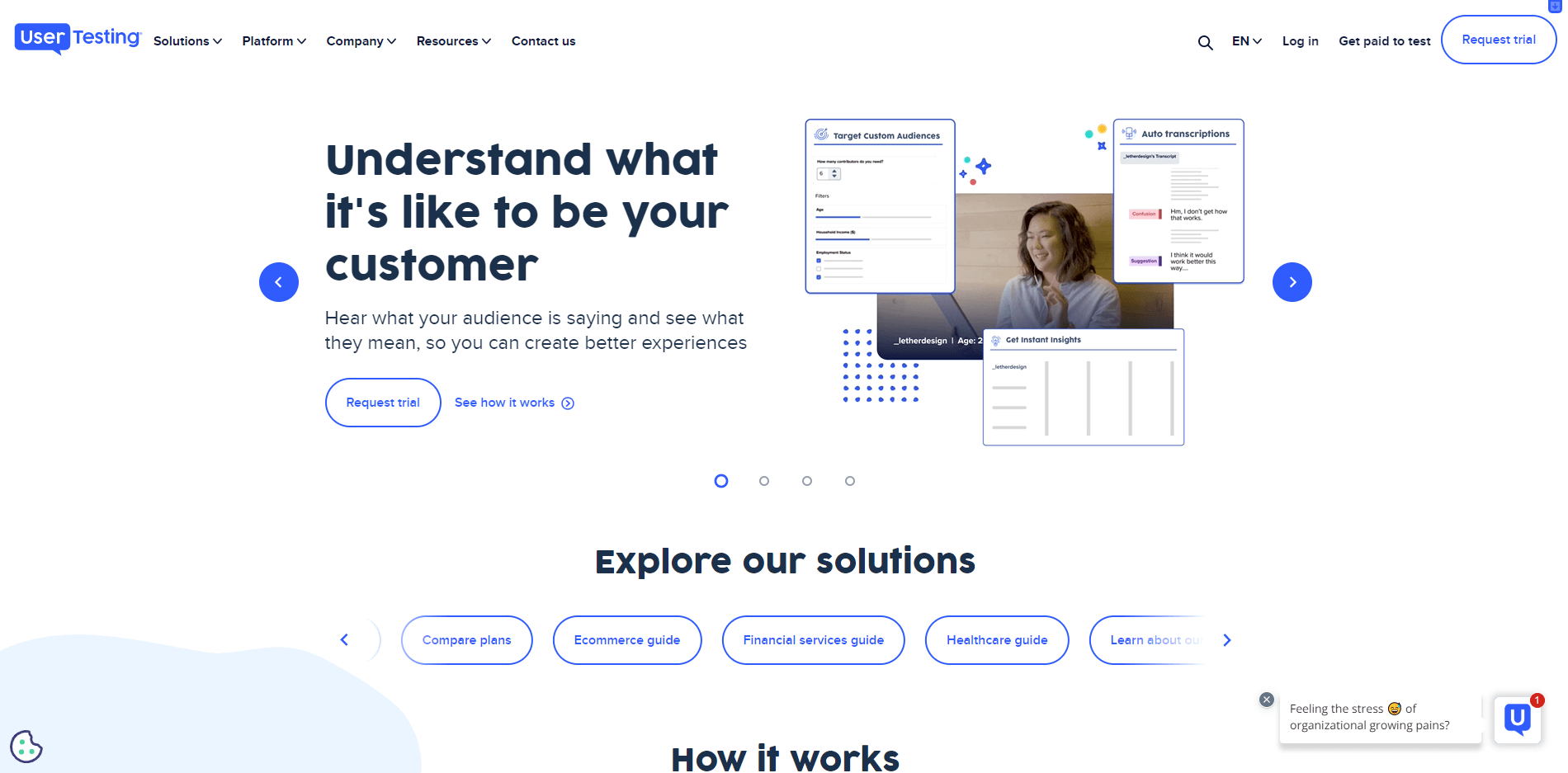
UserTesting is a dedicated video first platform among modern ux research tools that allows teams to see and hear how real people engage with digital products, interfaces, and concept prototypes.
The platform provides access to a global testing audience for both moderated and unmoderated usability sessions. By gathering qualitative video feedback alongside quantitative metrics, UserTesting helps designers uncover usability hurdles and validate concepts before entering full scale UI development.
3. Optimal Workshop
Optimal Workshop is a specialized suite of user research tools focused primarily on information architecture, content structure, and usability validation.
The platform includes established testing tools such as Treejack for tree testing, Chalkmark for first click analysis, and OptimalSort for card sorting. These capabilities help researchers understand how users categorize information, locate key features, and navigate through web and mobile applications.

4. Hotjar
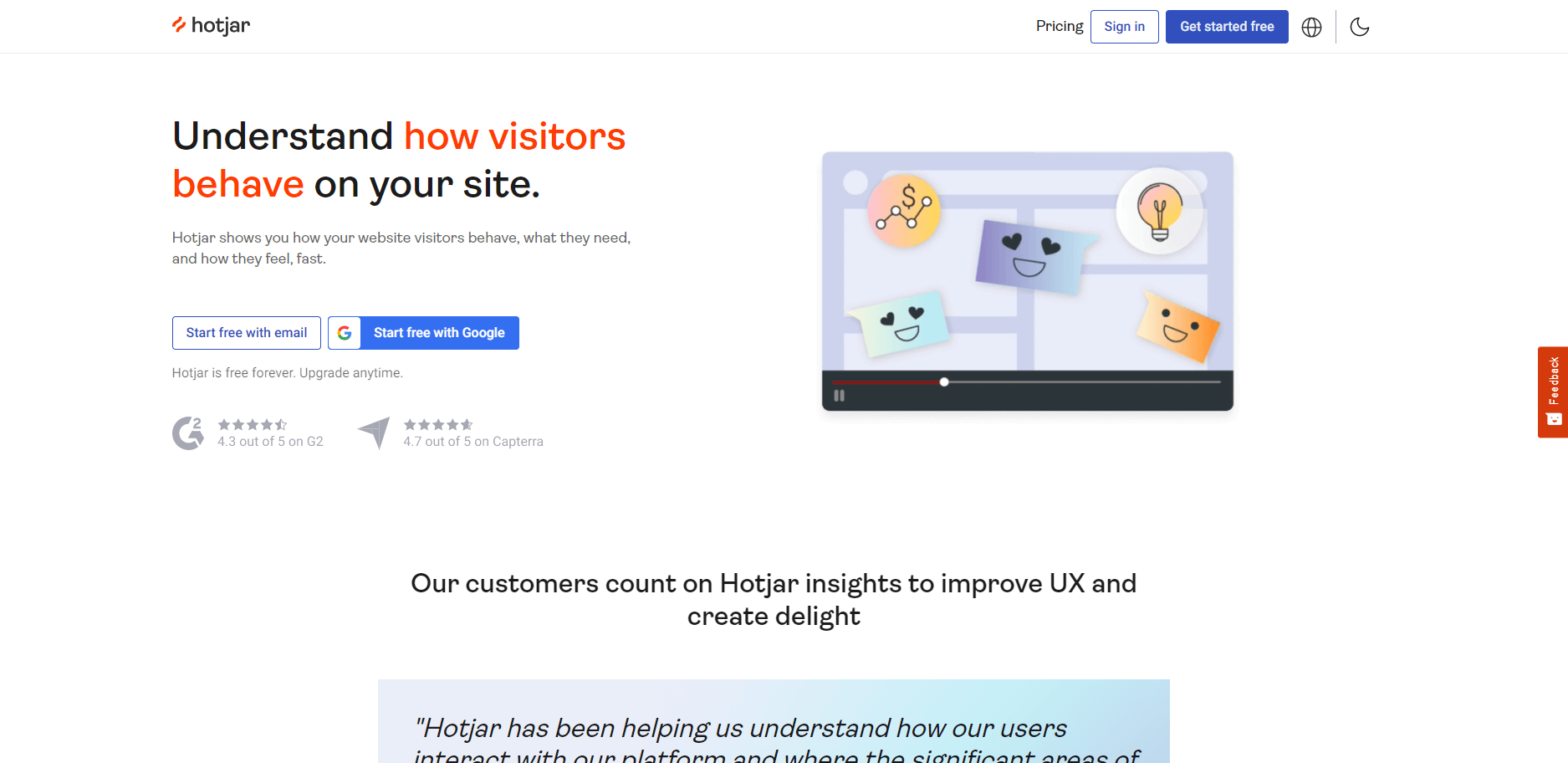
Hotjar is a widely used digital experience analytics tool that delivers qualitative and quantitative behavioral data through interactive heatmaps and session recordings.
By tracking user clicks, cursor movements, and scroll depth across live pages, Hotjar reveals which interface elements attract the most attention and which areas cause confusion. Session recordings allow design teams to observe authentic user sessions, pinpoint friction points, and identify drop off moments across core conversion funnels.
5. SurveyMonkey
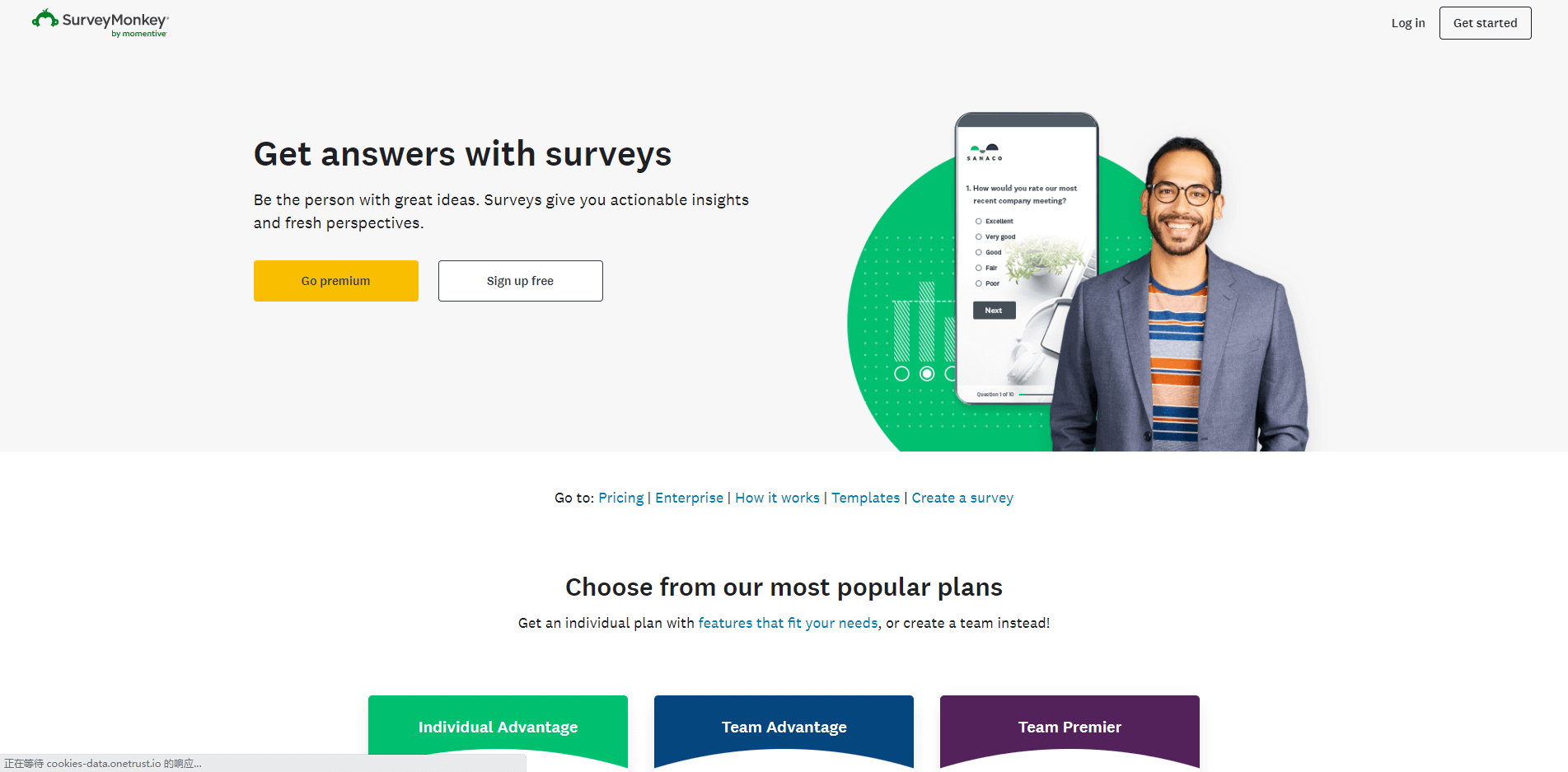
SurveyMonkey remains one of the most reliable online survey platforms for gathering structured quantitative and qualitative feedback across diverse user segments.
Product teams can create custom questionnaires using advanced logic branching and a wide variety of question formats. The resulting datasets help researchers identify broader industry trends, measure user sentiment, and collect direct customer input to inform ongoing product iterations.
FAQ
Q1. When is the best time to conduct design research during the product lifecycle?
Design research should be conducted continuously across every phase of product development rather than treated as an isolated step. Teams conduct generative discovery research during early concept exploration to identify unmet customer needs, evaluative testing during interface prototyping to validate user flows, and ongoing behavioral analysis after launch to measure long term engagement and retention.
Q2. What is the difference between qualitative and quantitative ux research tools?
Quantitative tools gather numerical metrics and statistical data to explain what is happening, tracking patterns like conversion rates, drop off points, and click frequencies. Qualitative tools explore user sentiment, observational feedback, and motivations to explain why behaviors occur. Combining both methodologies ensures design teams understand both measurable trends and the human context behind them.
Q3. How do visual whiteboards accelerate research synthesis for modern teams?
Visual whiteboard platforms replace siloed text documents with open collaborative spaces for data synthesis. Rather than reading dense spreadsheets, product teams can group raw interview findings into affinity clusters, construct empathy maps, and align on persona needs together. This visual format turns complex user observations into clear priorities that developers and product owners can easily interpret.
Q4. How many participants are needed for reliable usability testing?
For qualitative usability discovery, testing with five to eight representative users per user group is typically enough to uncover more than eighty percent of core interface usability obstacles. Running frequent lightweight studies across each design sprint yields far more actionable insights than conducting a single large-scale study late in the product cycle.
Summary
Conducting thorough user discovery is the foundation of any successful product strategy. Each of these five design research tools brings distinct strengths to your workflow, covering everything from live usability testing and behavioral analytics to structured surveys and visual diagramming.
For teams looking to centralize ideation, map out complex user journeys, and collaborate across departments in real time, Pixso Whiteboard provides a powerful and versatile canvas to turn user insights into exceptional digital experiences.